Acing AI Literacy in CBCSD
Knowing how to write a prompt isn't AI literacy. Students also need to understand how AI works, question its responses, and make responsible decisions about when and how to use it. See how Council Bluffs Community School District uses the ACE framework (Awareness, Critique, and Exploration) to develop AI literacy across grades 2-12 through engaging, discussion-based lessons. Explore practical strategies, memorable analogies, and classroom-ready activities that help students build critical thinking, recognize AI's limitations, and become thoughtful, responsible users of AI.
Presented at ITEC 2026 in Des Moines, Iowa
Council Bluffs Community School District contracts with Tony Vincent, who has served as CBCSD’s AI Coordinator since 2024. One of his primary goals is to ensure students develop foundational AI literacy.
Q: How do we ensure CBCSD students receive foundational AI literacy?
A: Through lessons delivered during middle and high school advisement periods, with optional lessons for grades 2–5.
Q: What do the lessons look like?
A: Custom, discussion-based lessons that spark curiosity and build foundational understanding.
Q: How do we make lessons easy for teachers to deliver?
A: Lessons are entirely slide-based, with detailed speaker notes. No student devices, printed materials, or prior AI expertise are needed.
Q: What framework guides the lessons?
A: A simple three-part framework: Awareness, Critique, and Exploration, helping students understand what AI is, critically evaluate its outputs and implications, and explore how to use it thoughtfully.
AI Literacy Frameworks
AI Literacy Framework from OECD, code.org, and the European Commission
Prepares students to engage, create, manage, and design AI with a focus on ethics, critical use, and environmental impacts.Evergreen AI Literacy Model
Covers six domains of knowledge and skills, emphasizing ethics, equity, and addressing bias in data.aiEDU AI Literacy & Readiness Competencies for Students
Builds progression across grade bands with basics, critical thinking, and the human advantage of creativity and collaboration.Digital Promise AI Literacy Framework
Defines literacy as understanding, evaluating, and using AI responsibly while centering human judgment and justice.AI4K12.org Guidelines
Outlines five big ideas of AI for K-12, providing grade-band guidelines on what students should know and do.TCEA AI Literacy Framework for Students
Guides students through four stages from recognition to innovation, integrating skills like ethics, bias, prompting, and careers.SchoolAI’s 4 Cs of AI Literacy Framework
Promotes conscientious, collaborative, critical, and creative use of AI with strategies across grade levels.ACE Framework by Matt Miller and Holly Clark
Uses awareness, critique, and exploration to connect AI to daily life and address privacy, bias, and responsible use.
AI Literacy Lessons, Activities, and Curriculum
Day of AI Curriculum
Free, hands-on K-12 lessons that build AI knowledge, ethics, and creativity in a spiral structure.Teaching Responsible Use to Students from Google for Education
Guides students toward ethical, informed, and trustworthy AI use.Experience AI Foundations of AI and AI Safety
Introduces AI basics and safety for middle school students.National AI Literacy Day Resources
Likely delivers thematic AI awareness materials tied to an annual event.Classroom-Ready Resources About AI For Teaching (CRAFT) from Stanford
Flexible high school lessons co-designed to explore, critique, and understand AI across subjects.Videos for Students and Resources for Teachers from Michigan Virtual
Short videos for students about a variety of AI topics.AI Literacy Lessons for Grades 6-12 from Common Sense Education
Builds digital citizenship with lessons like AI chatbot awareness and critique.AI 4 All Resources for High School
Lessons tied to specific high school classes.The 2025 AL Almanac for Educators: Glossary of Terms
Clarifies AI and EdTech terminology for educators in one accessible glossary.5 Must Knows for Students to Get Started with Generative AI from Google/YouTube
Offers five key tips for students to use generative AI responsibly and critically.Teachable Machine
Hands-on tool for students to train AI with their own images, sounds, or poses.SightEngine’s AI or Not
Visual activity for discriminating real vs AI-generated images and exploring media literacy.Be Internet Legends AI Assembly
Recorded student webinar on responsible AI use tied to digital citizenship.DAILy Curriculum
Units introducing AI and AI concepts for grades 5-8.
ACE AI Literacy Lessons
Every ACE lesson centers on a single essential question that sparks curiosity and discussion. Instead of attempting to teach all of AI, the curriculum targets what matters most: the practical concepts that directly affect students and their academic success.
Awareness
Grades 2–3
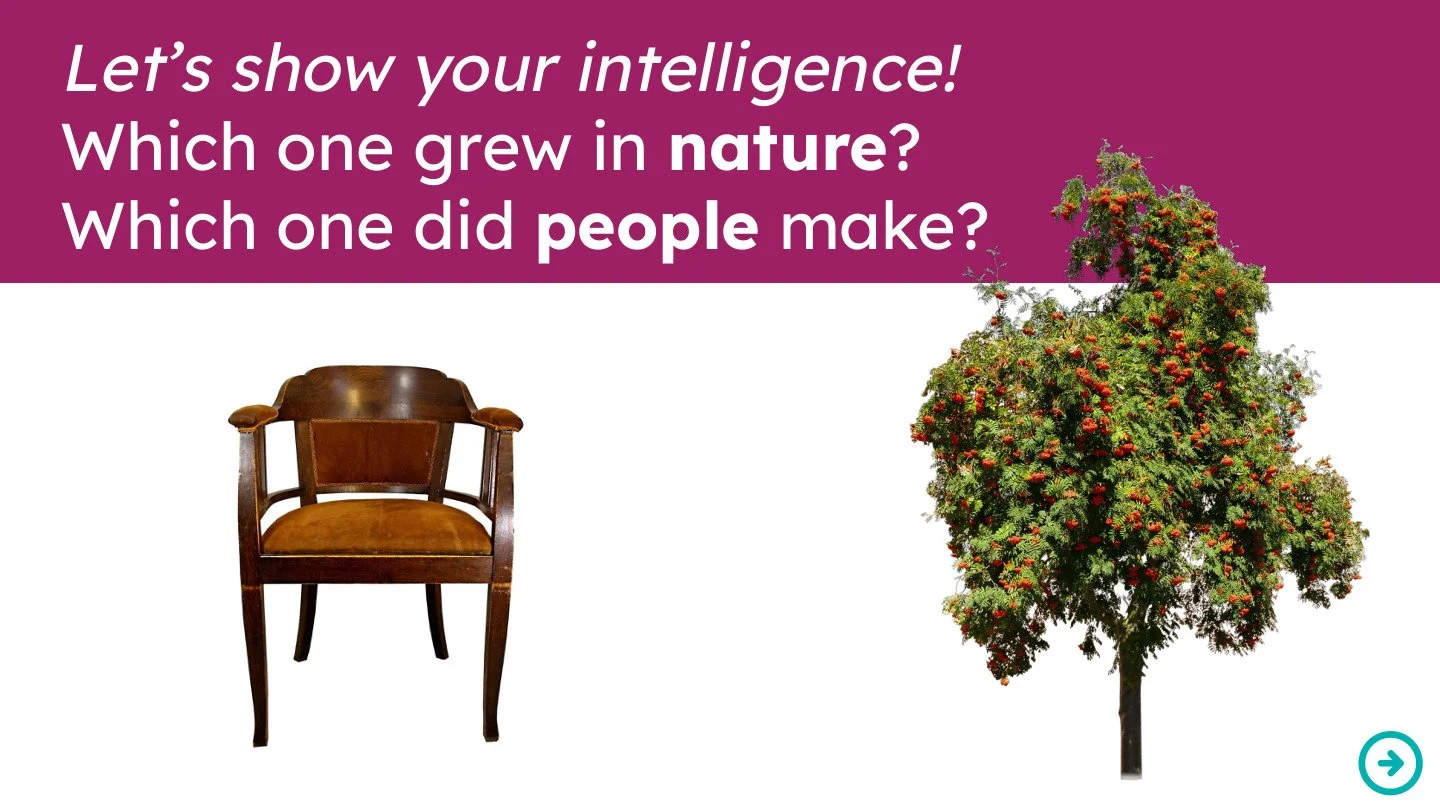
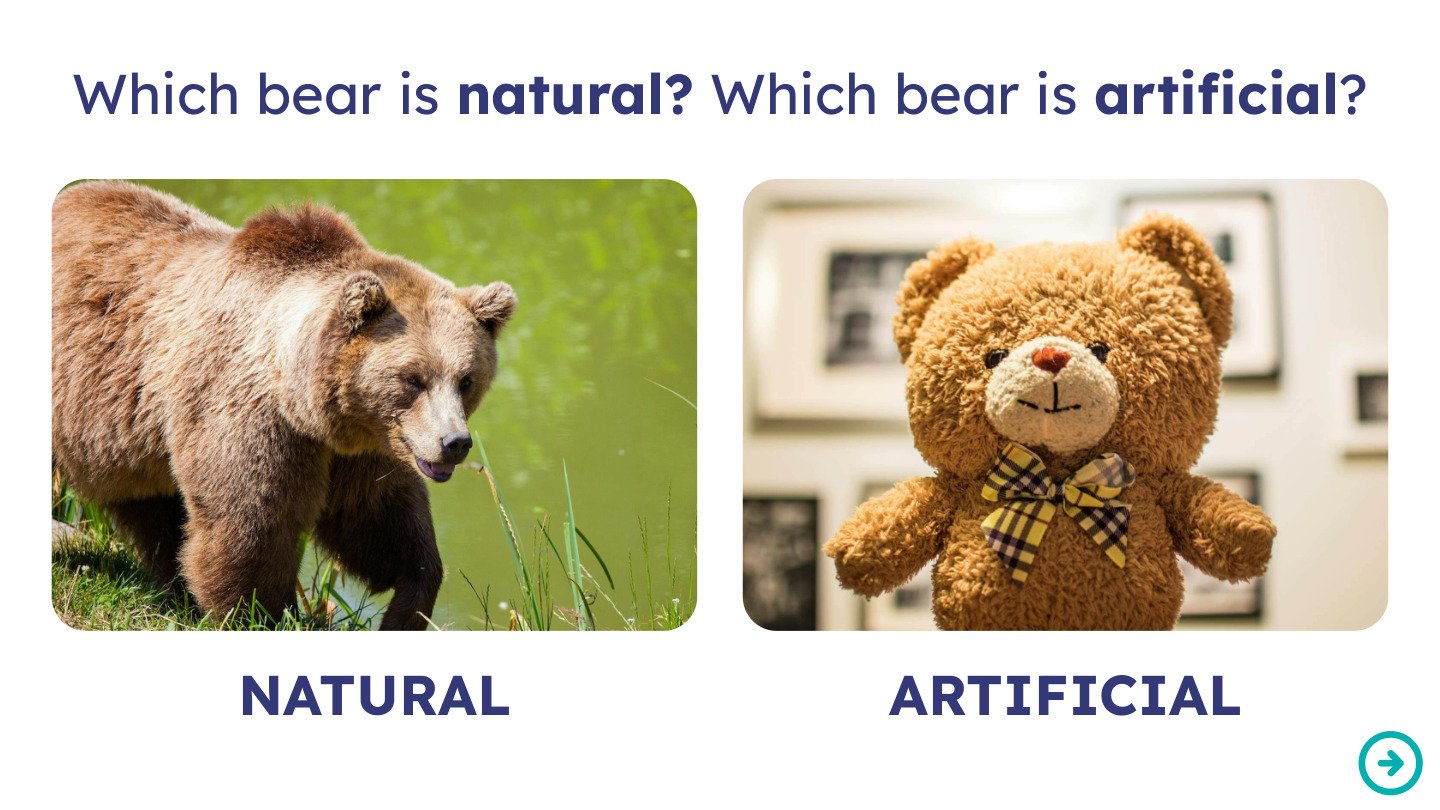
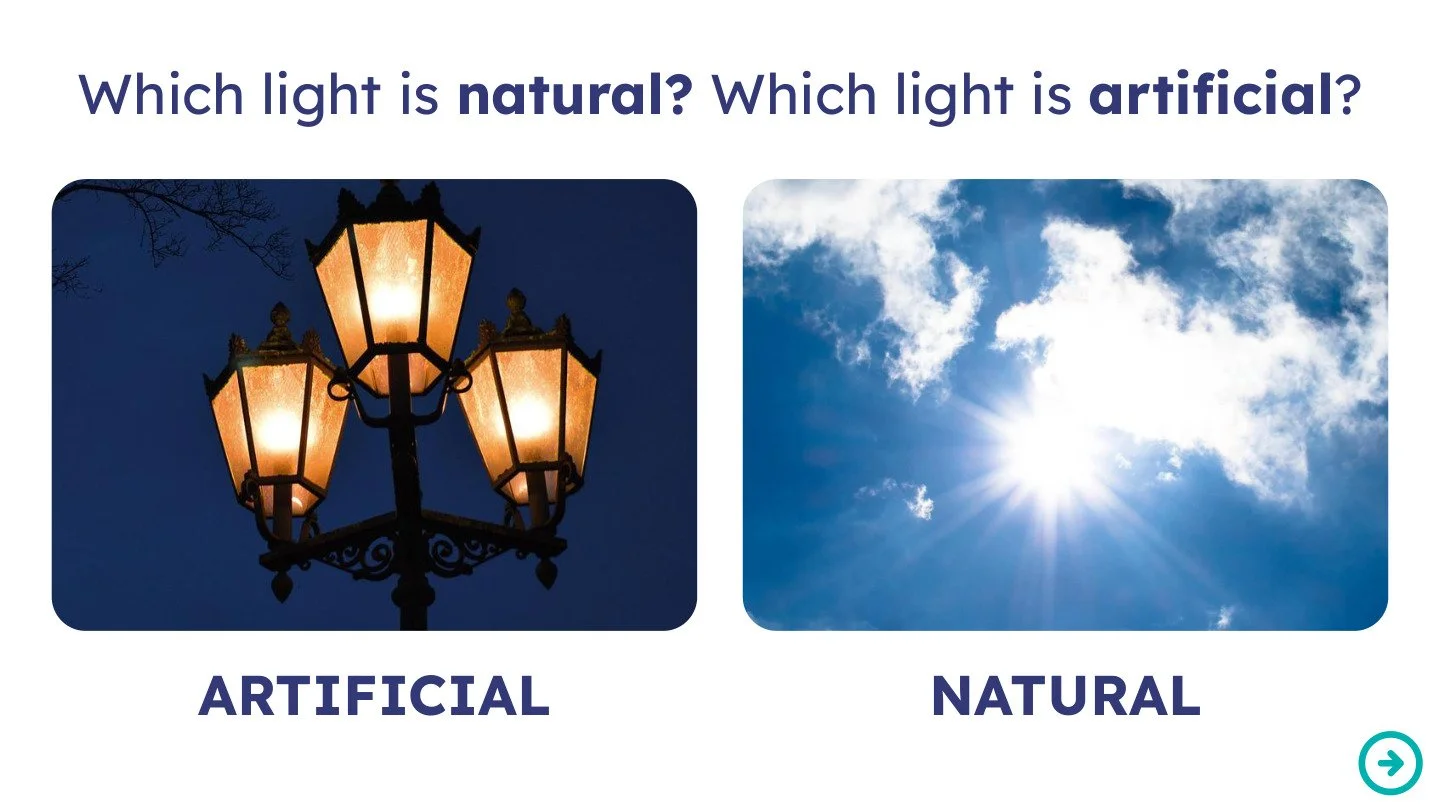
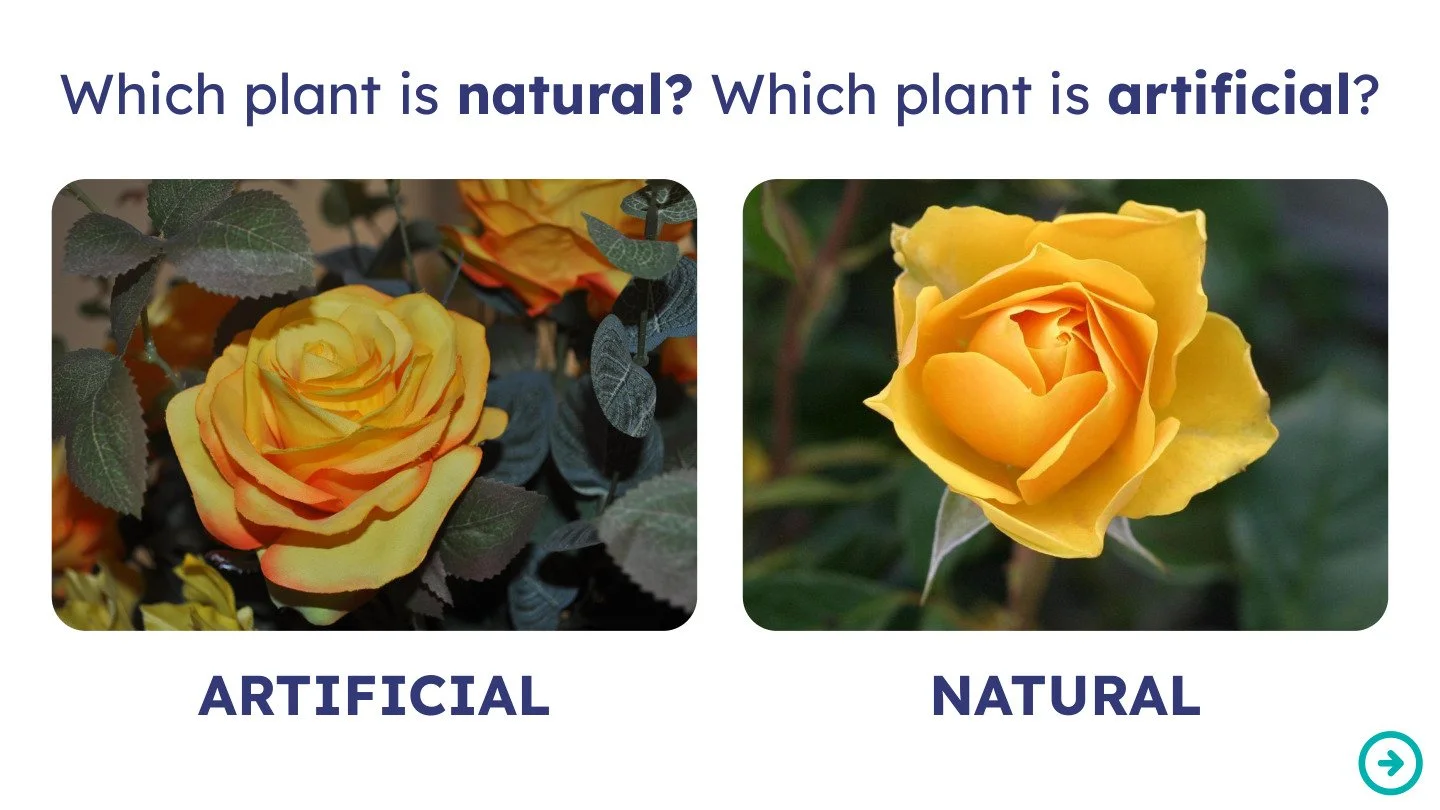
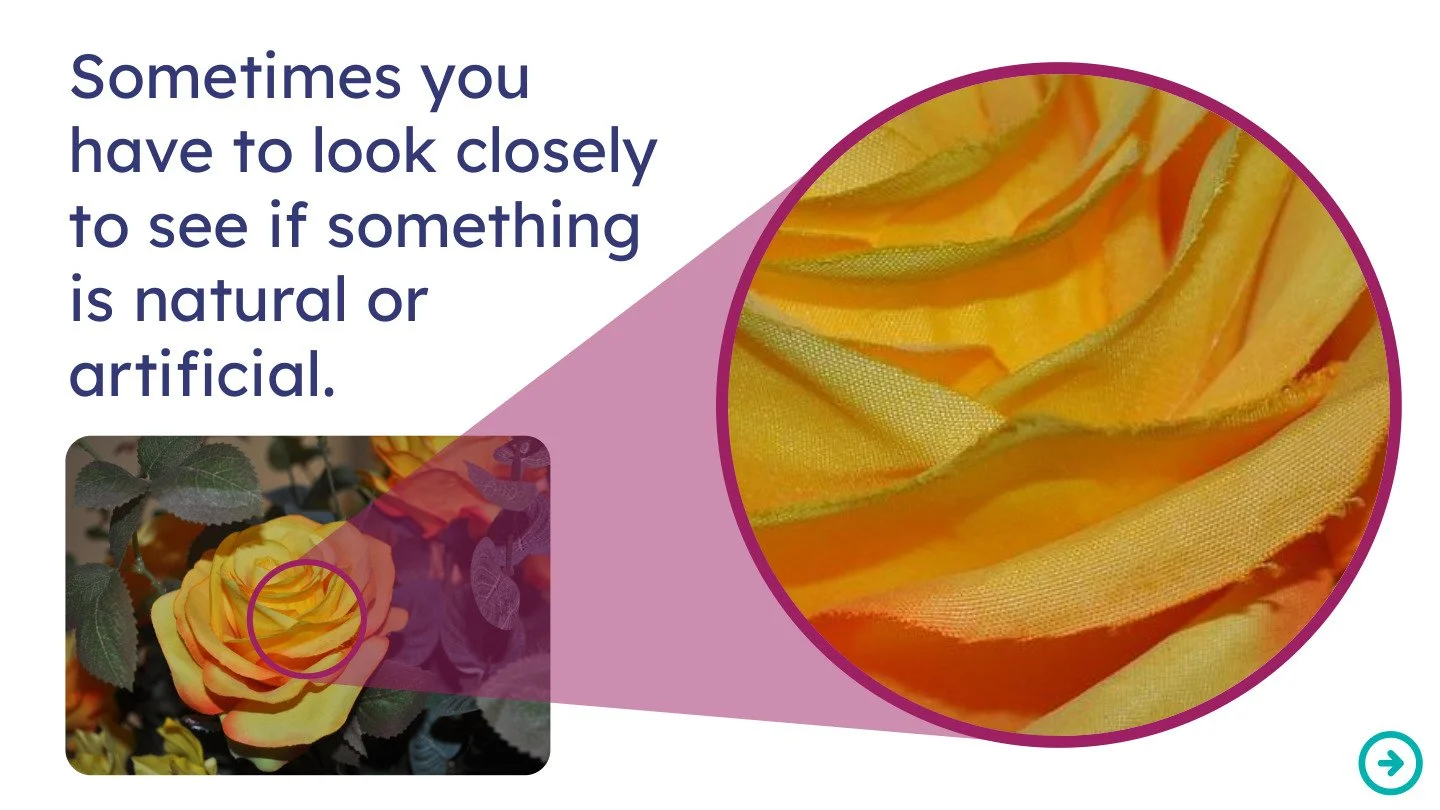
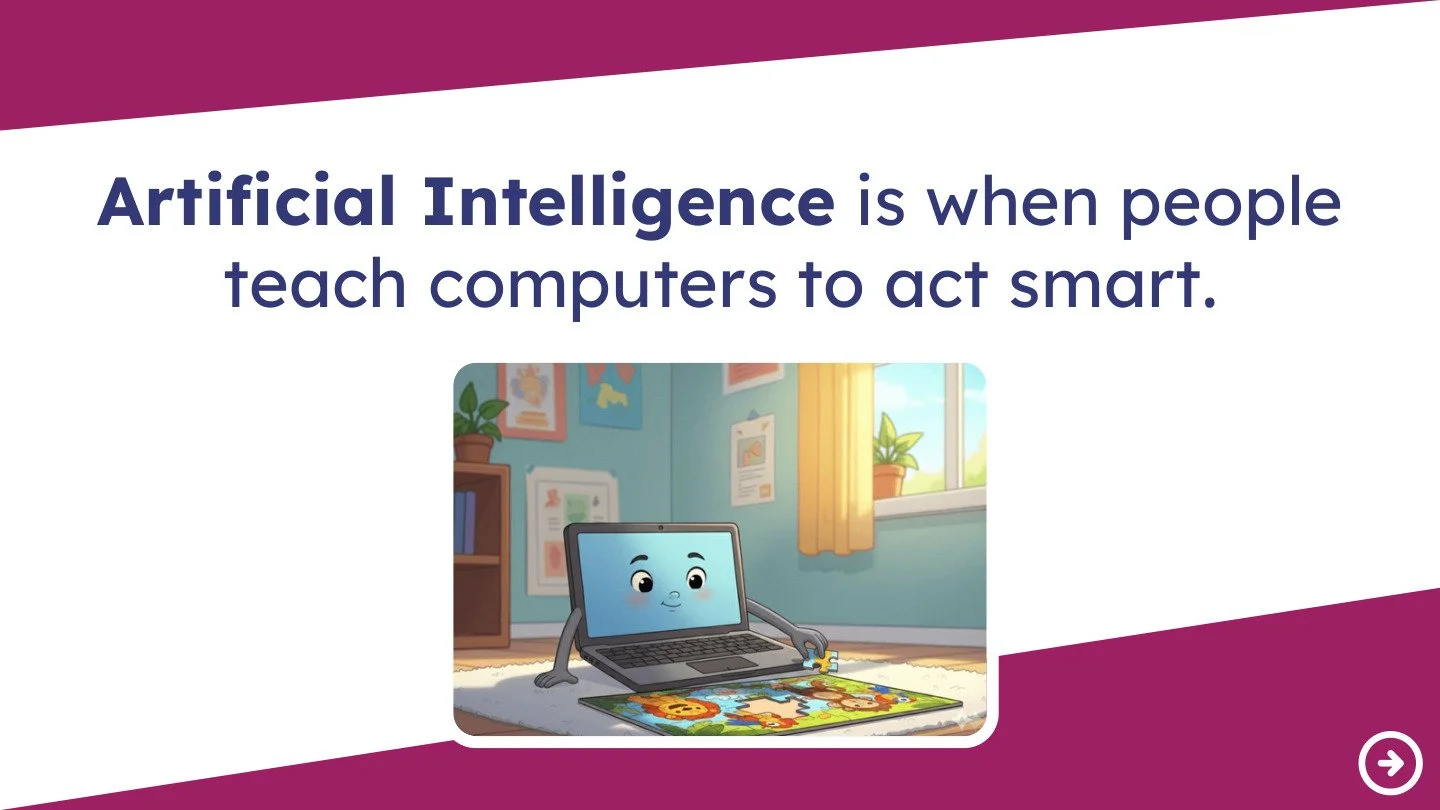
How can I tell if something is natural or made by people? — Students learn to distinguish between items found in nature and artificial items created by people, introducing AI as human-taught computer intelligence.
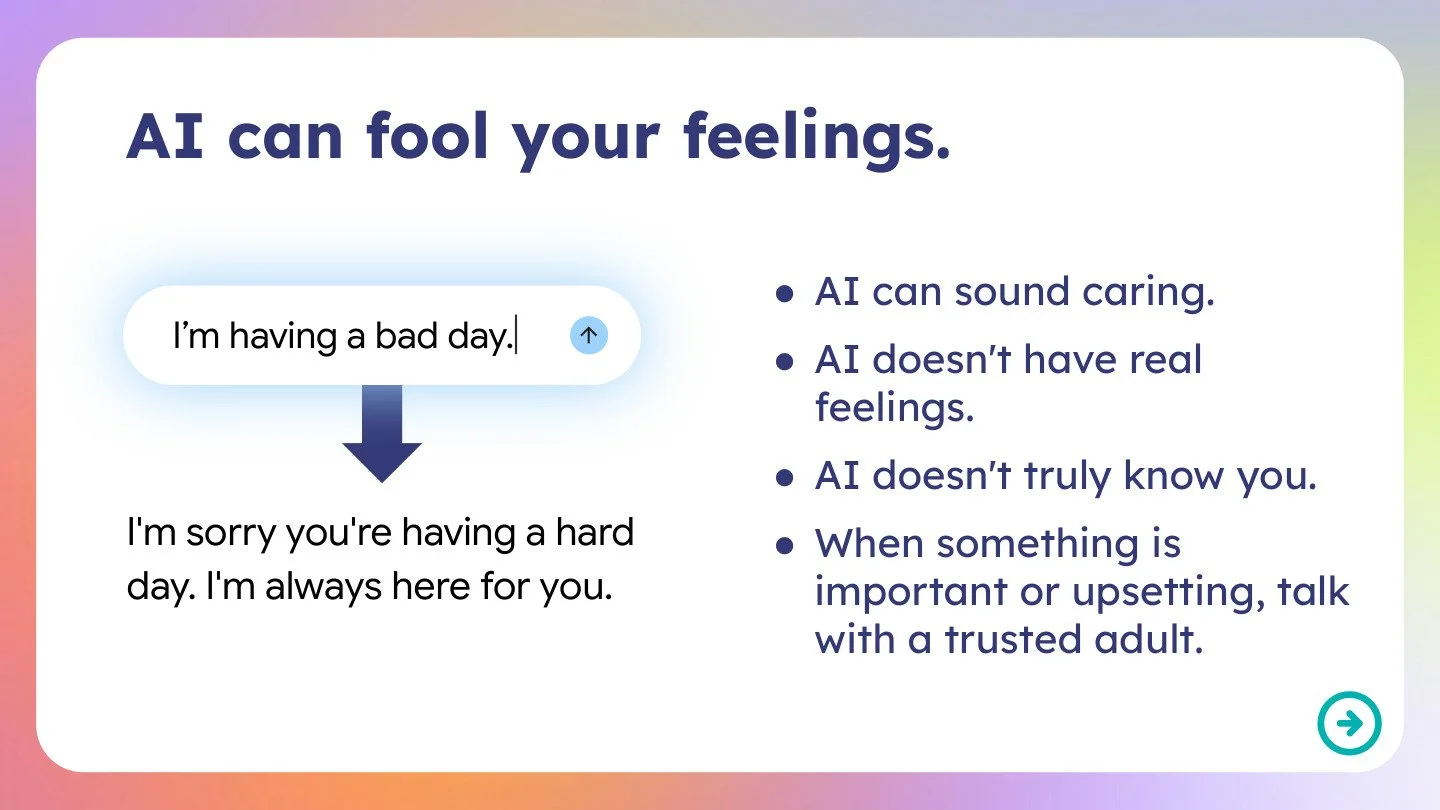
Why does it seem like computers have feelings? — Students explore how AI can write, speak, and draw about emotions because people trained it to, even though it has no real feelings inside.
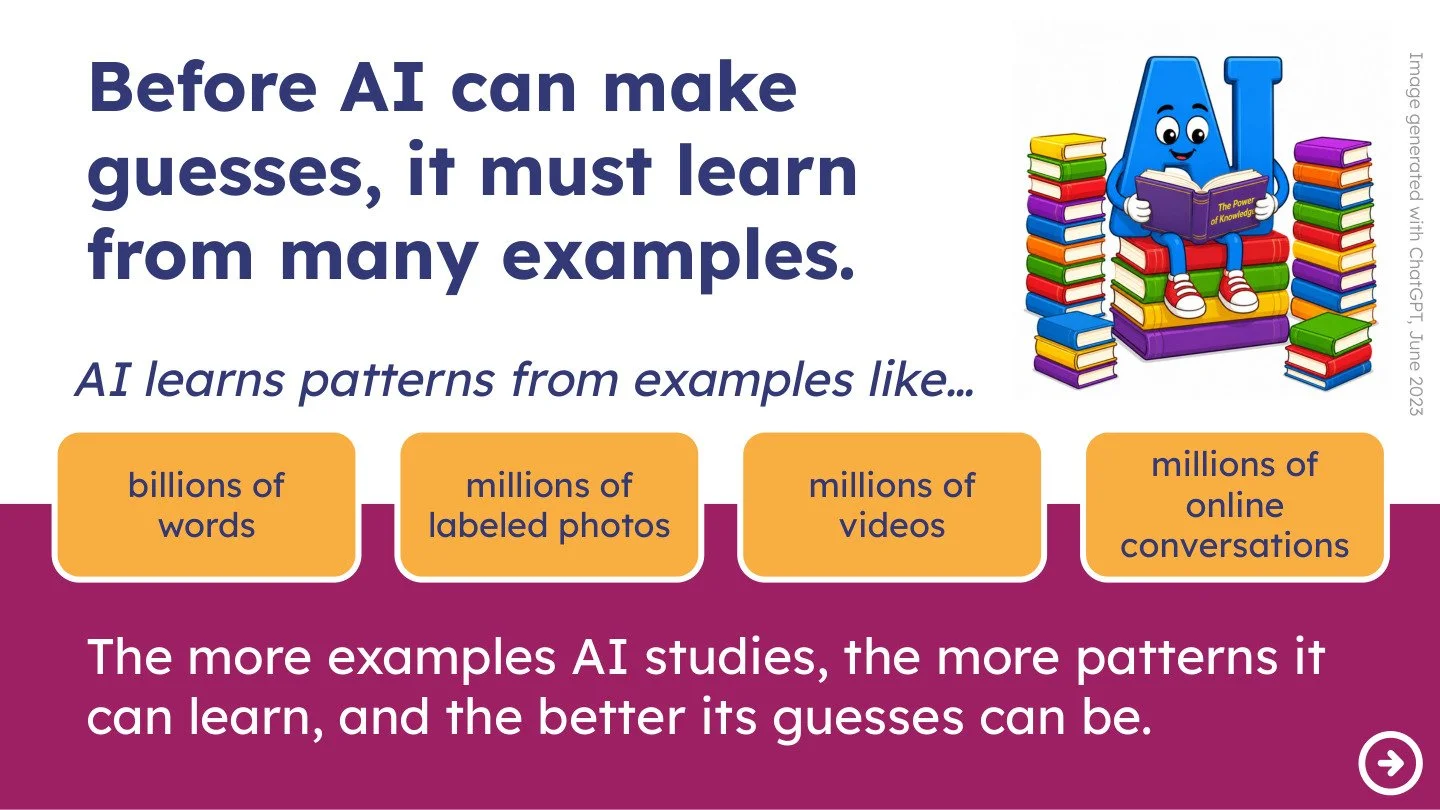
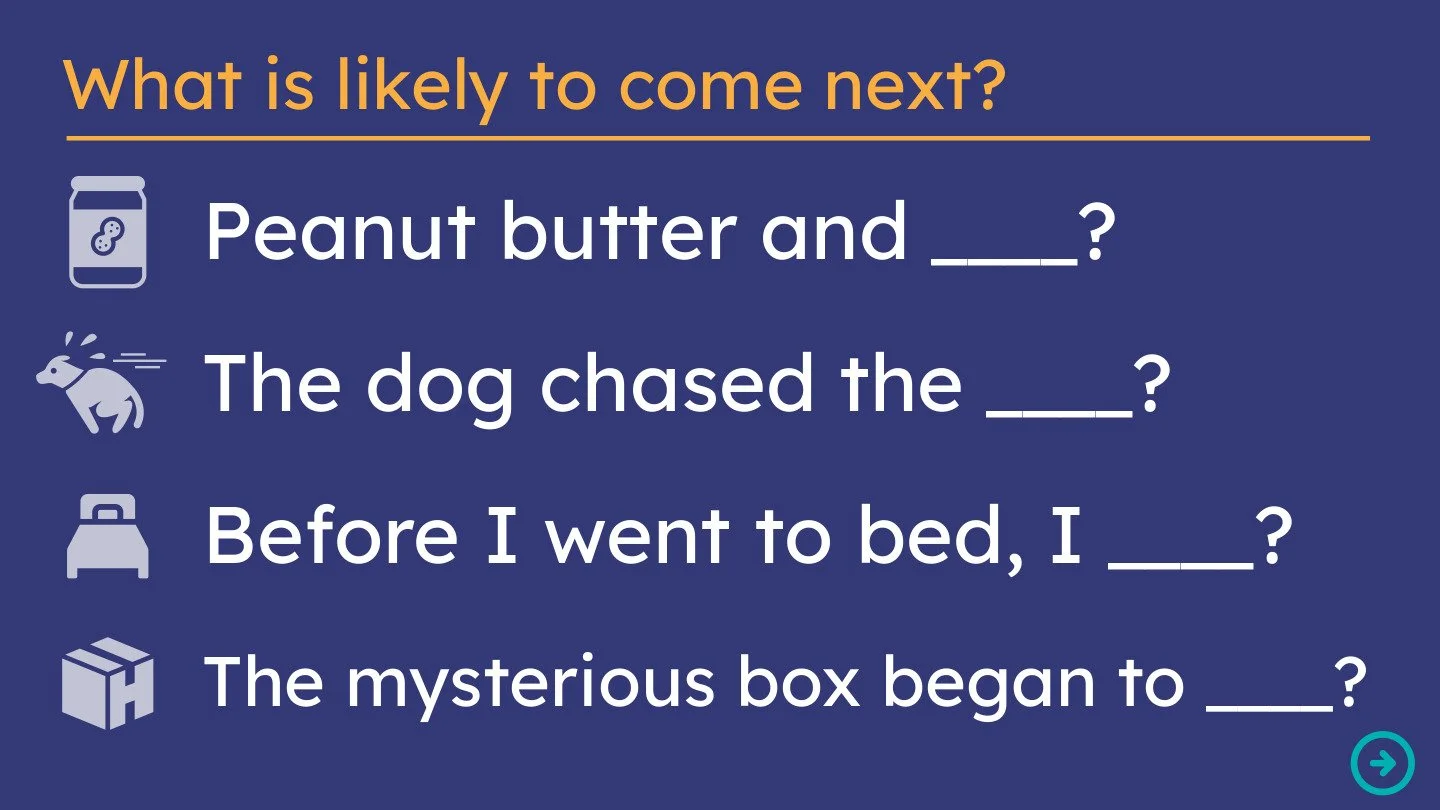
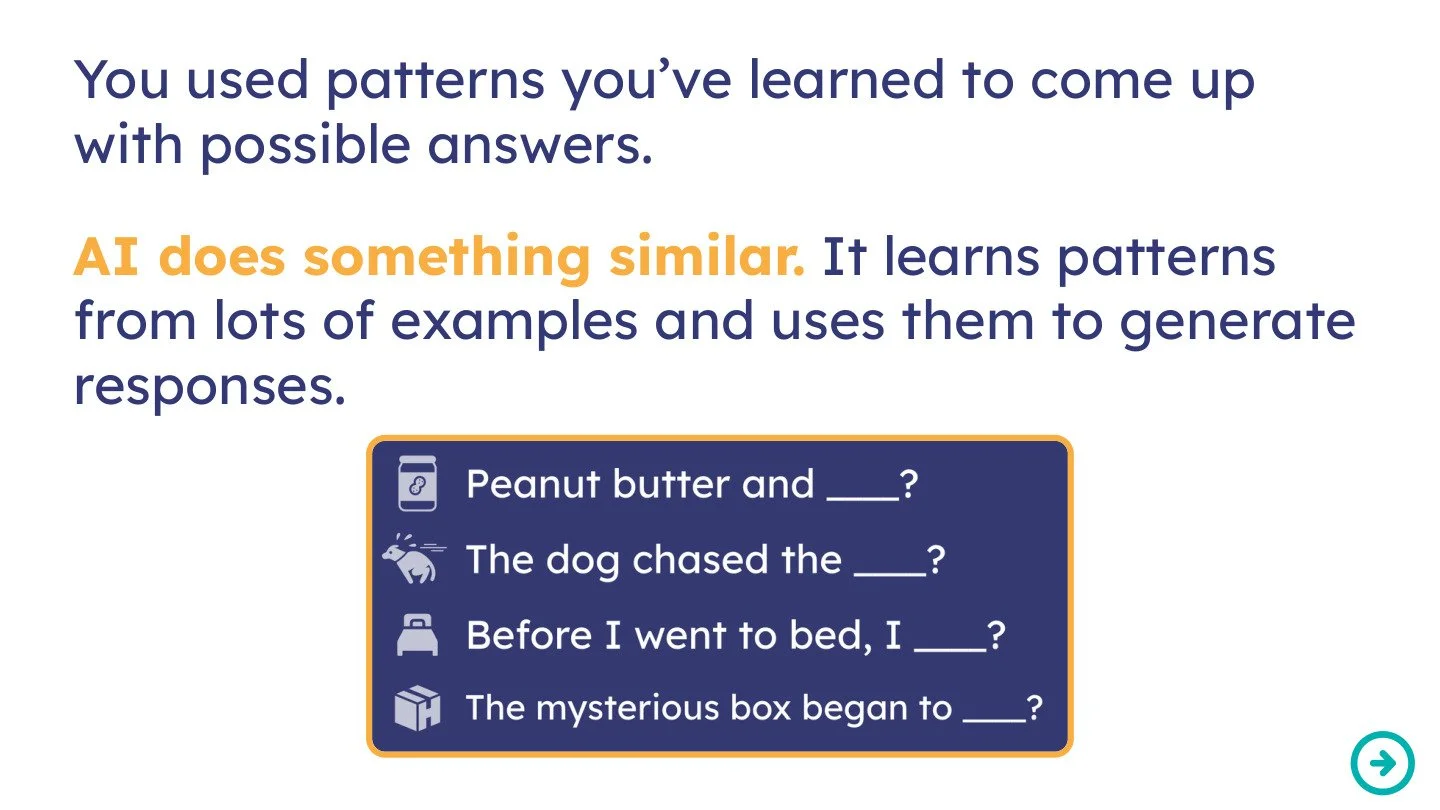
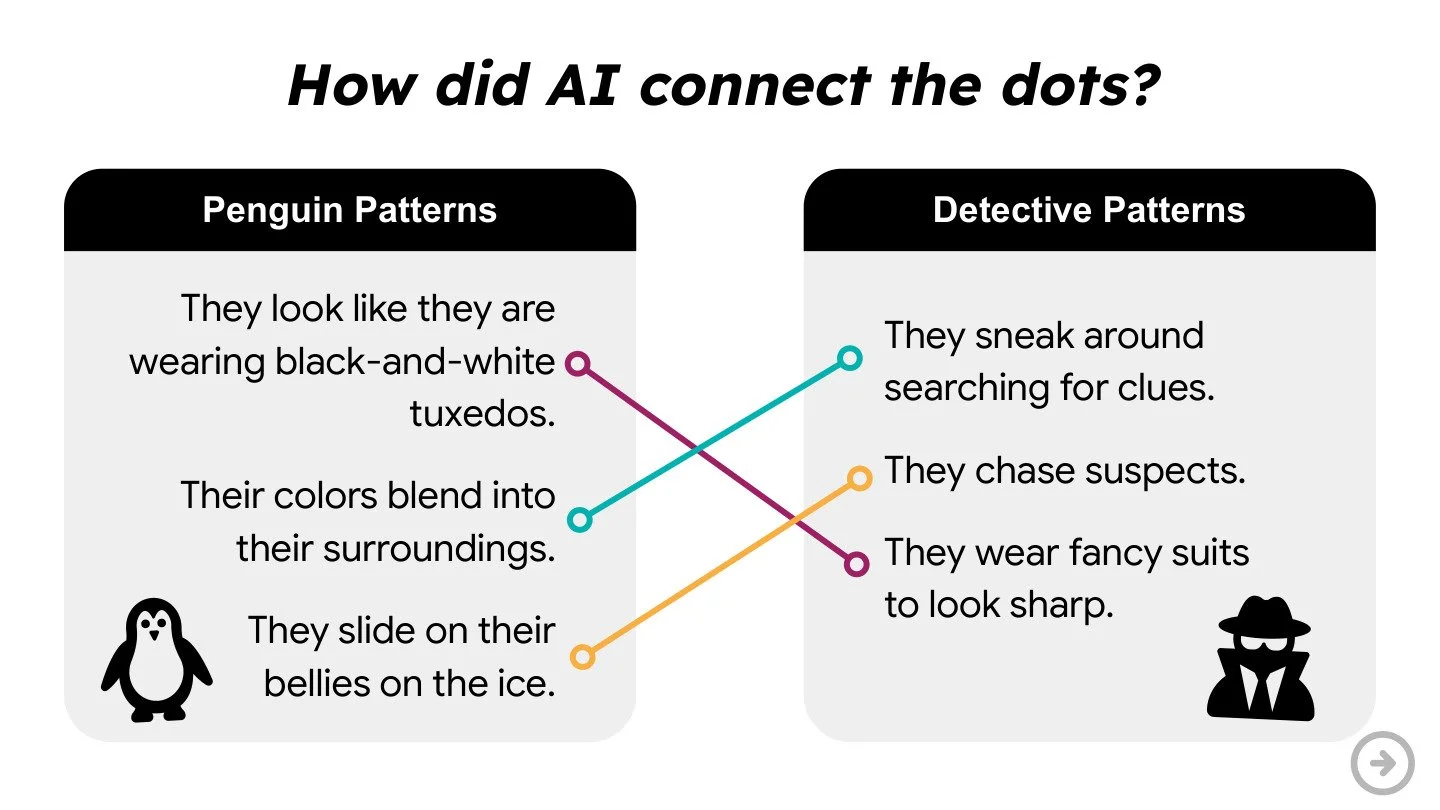
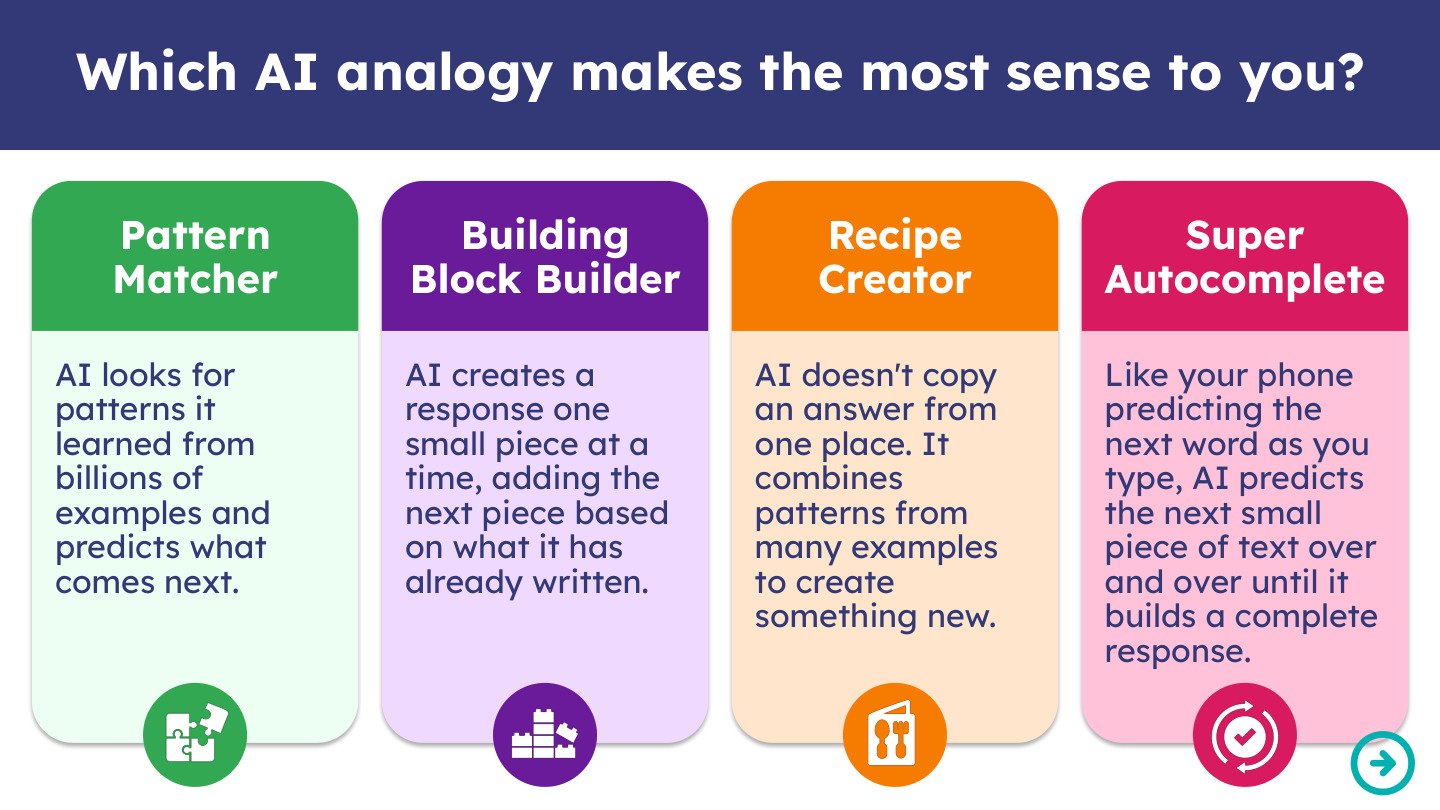
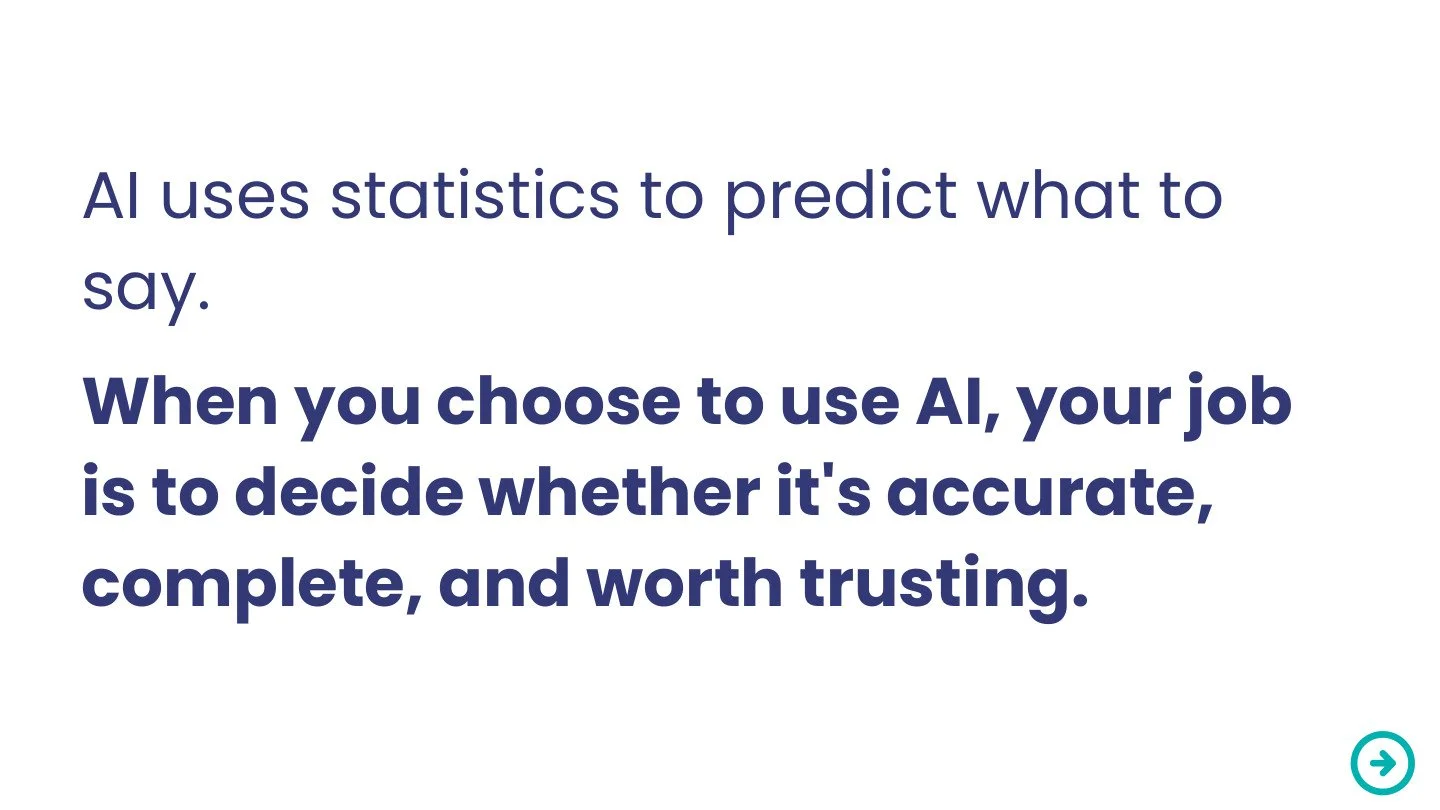
How does AI know what to say or do? — Students discover that AI recognizes patterns in massive datasets to make smart guesses rather than using a human-like brain.
Grades 4–5
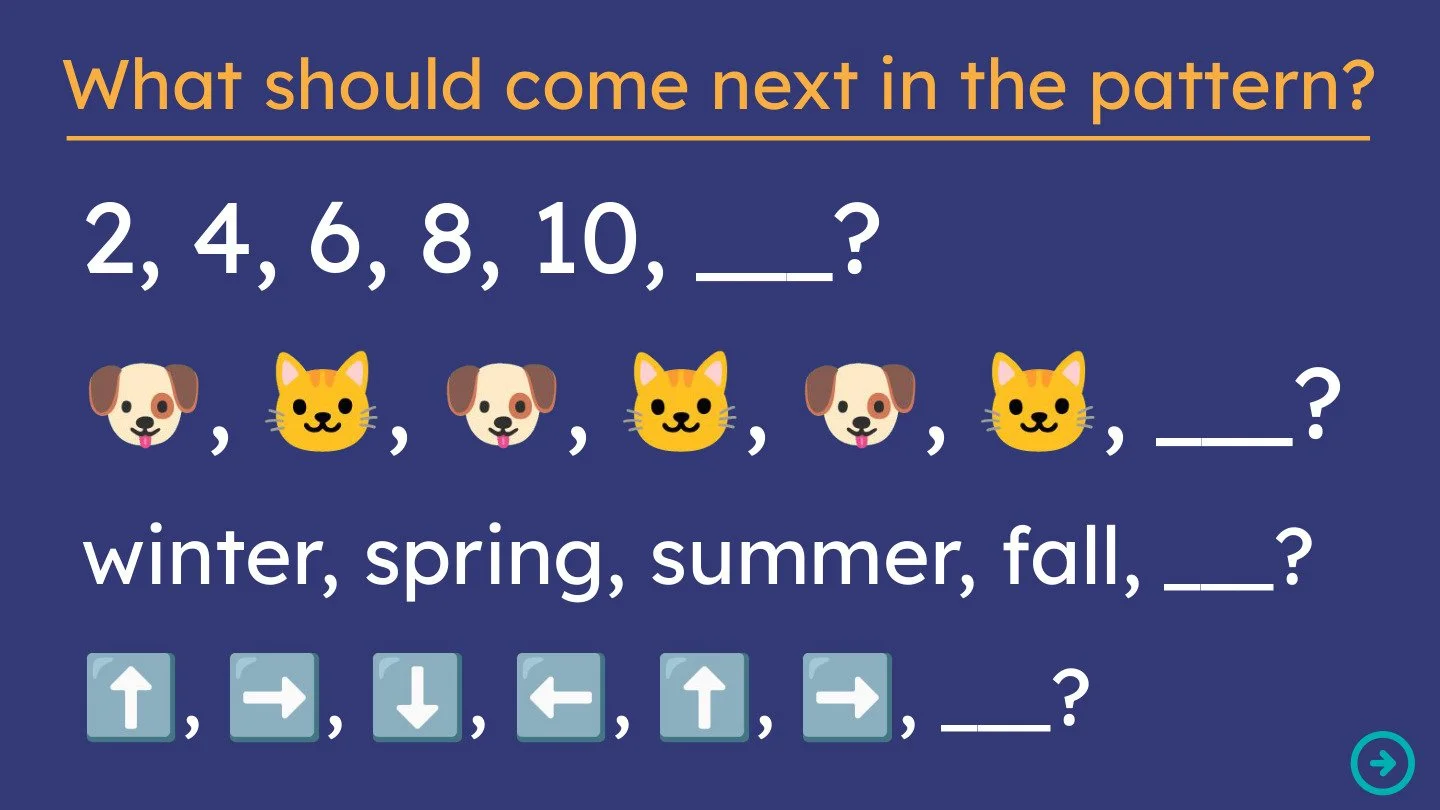
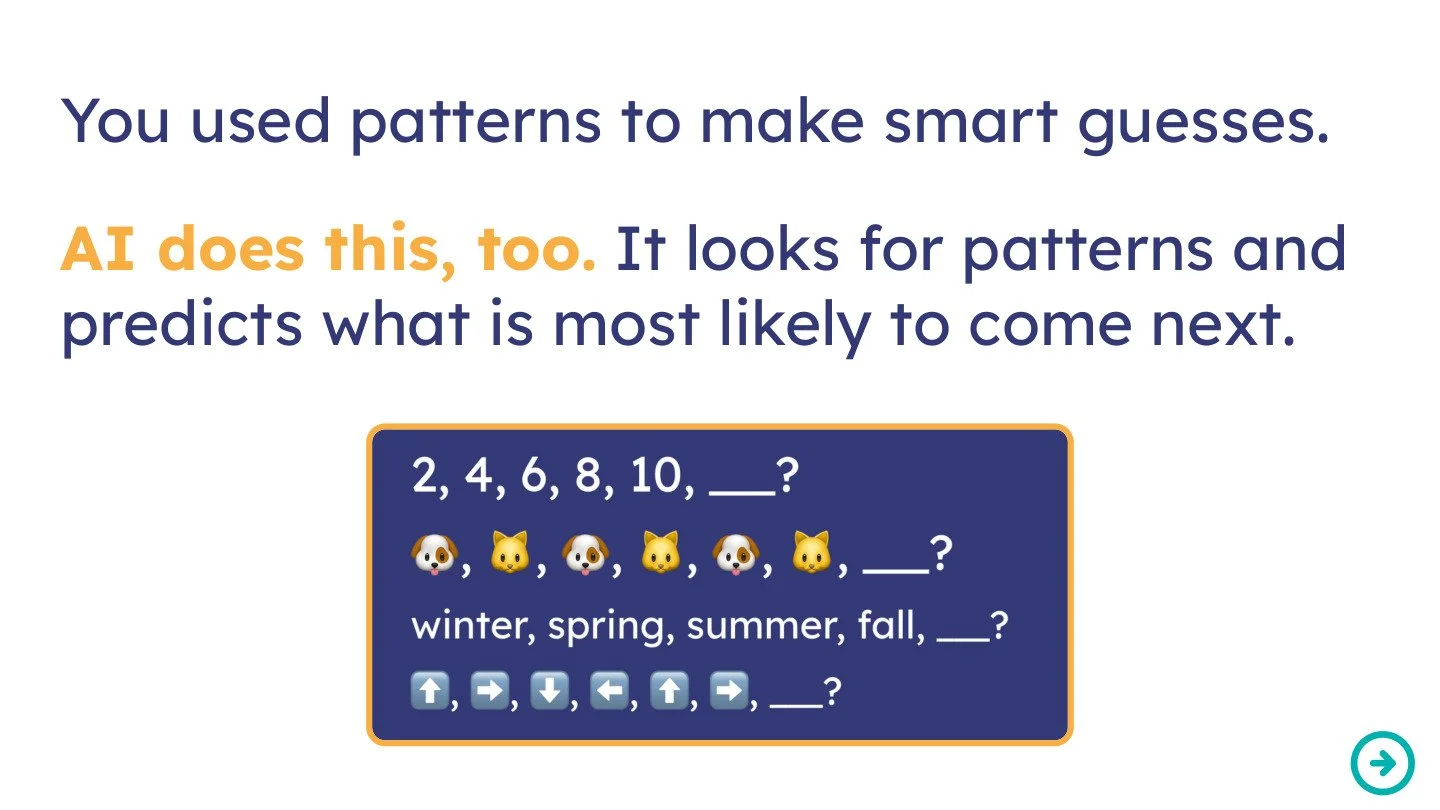
How does AI make smart guesses? — Students investigate how AI analyzes massive amounts of examples to spot patterns and predict what word or image comes next.
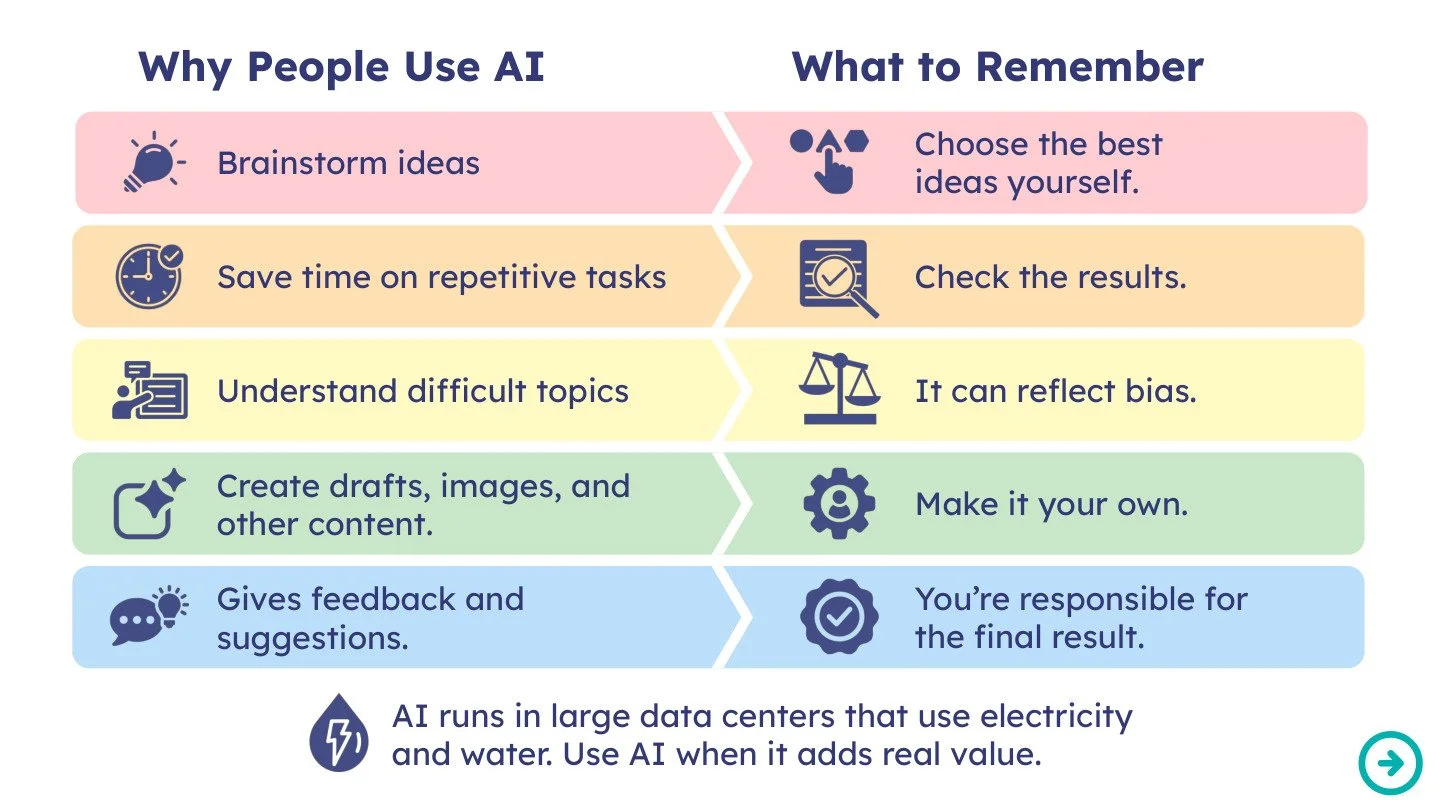
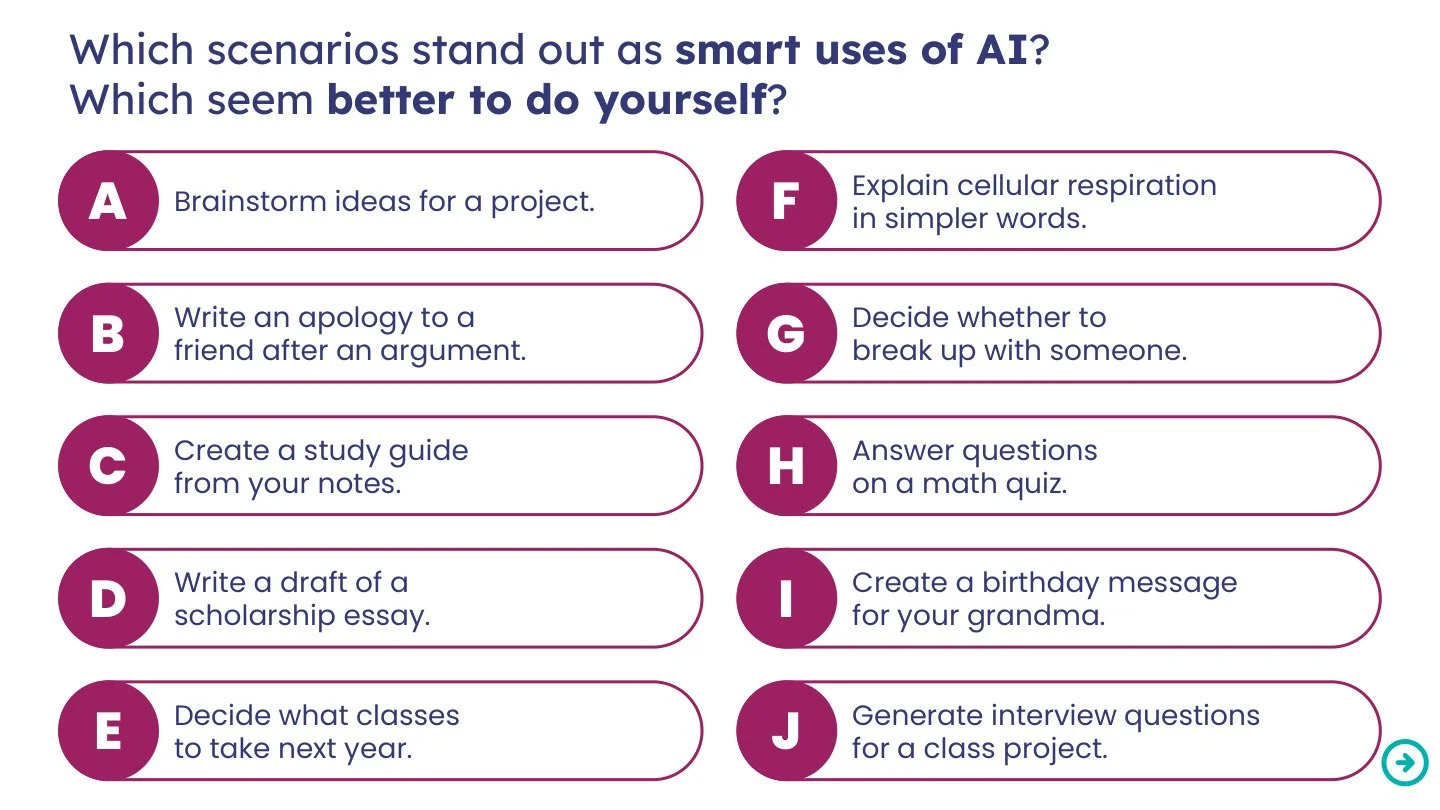
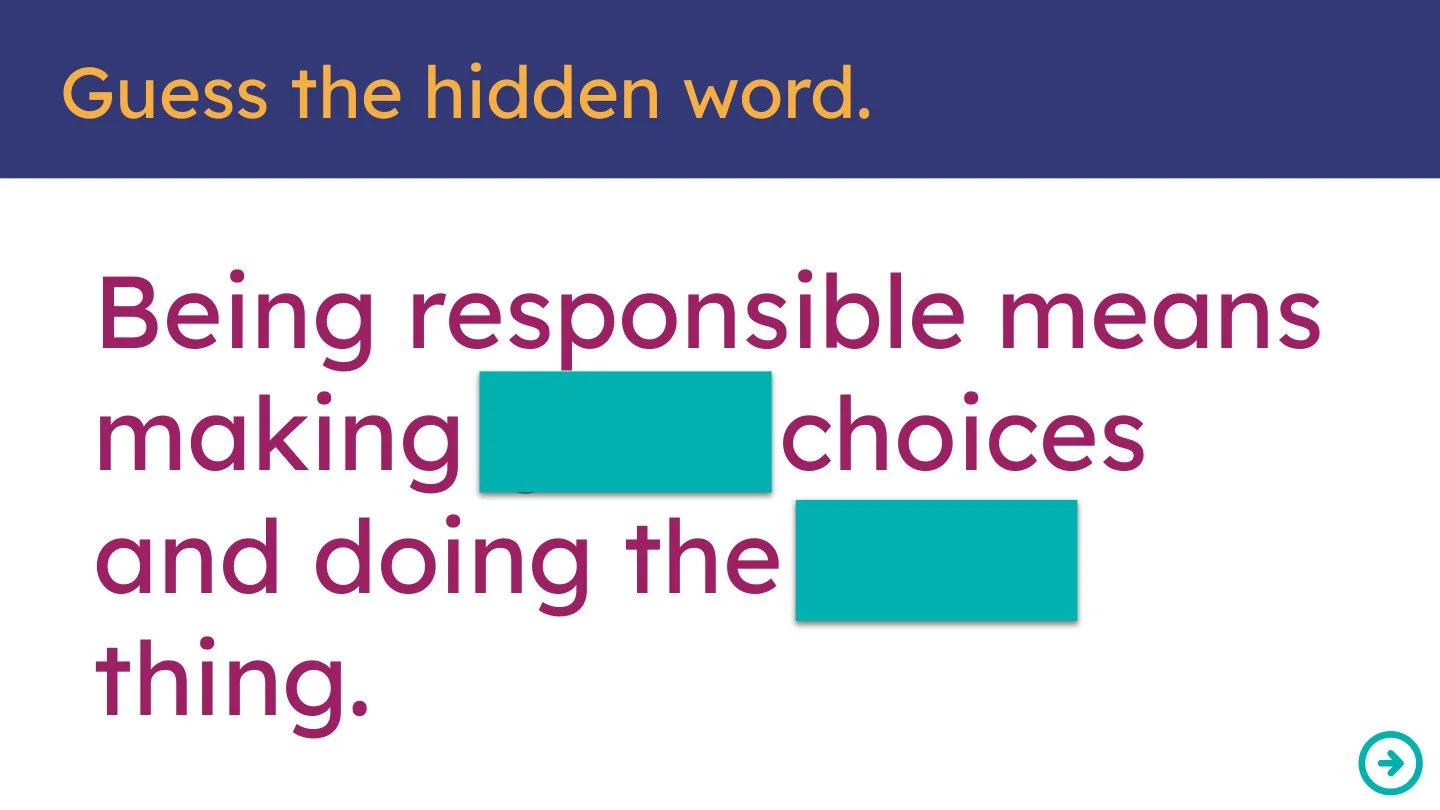
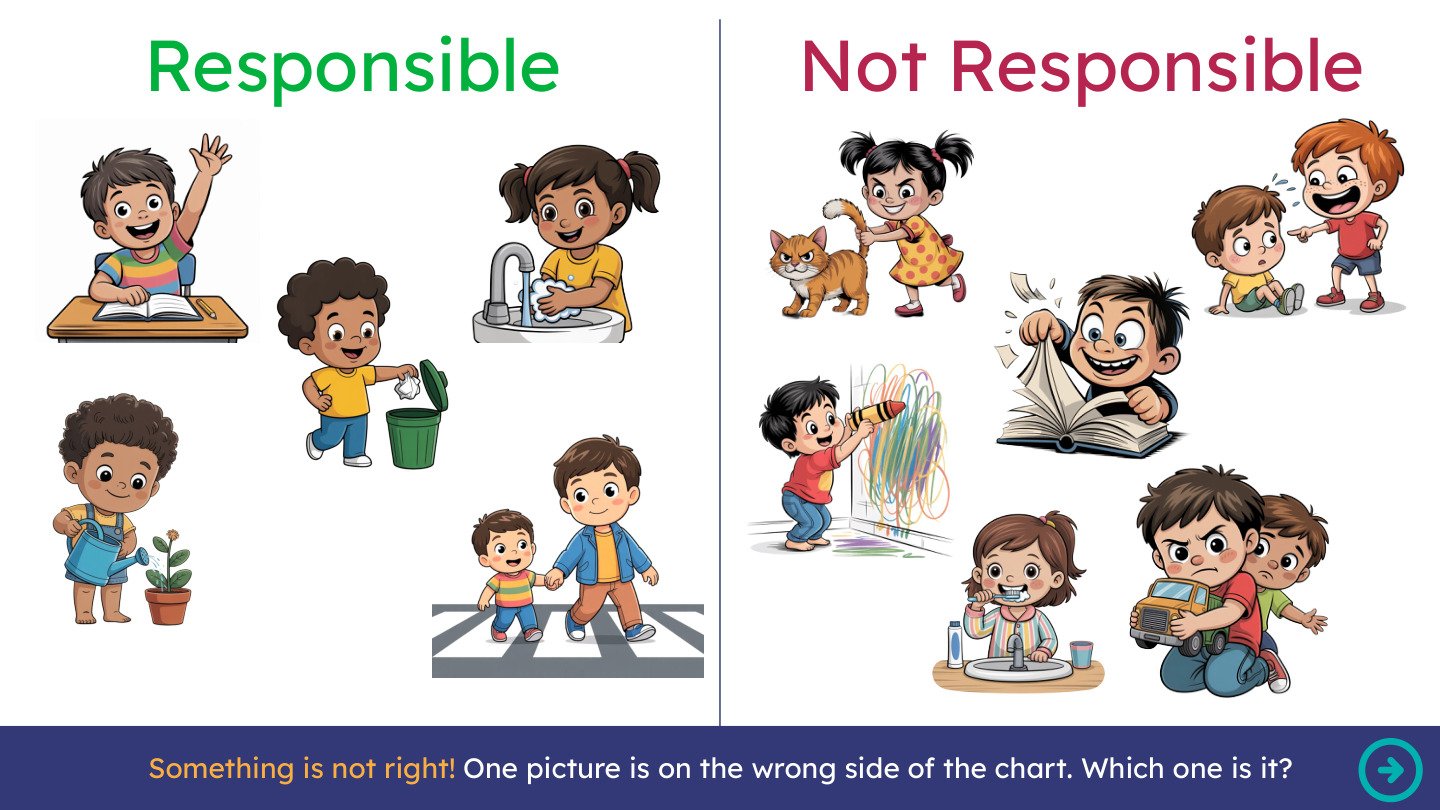
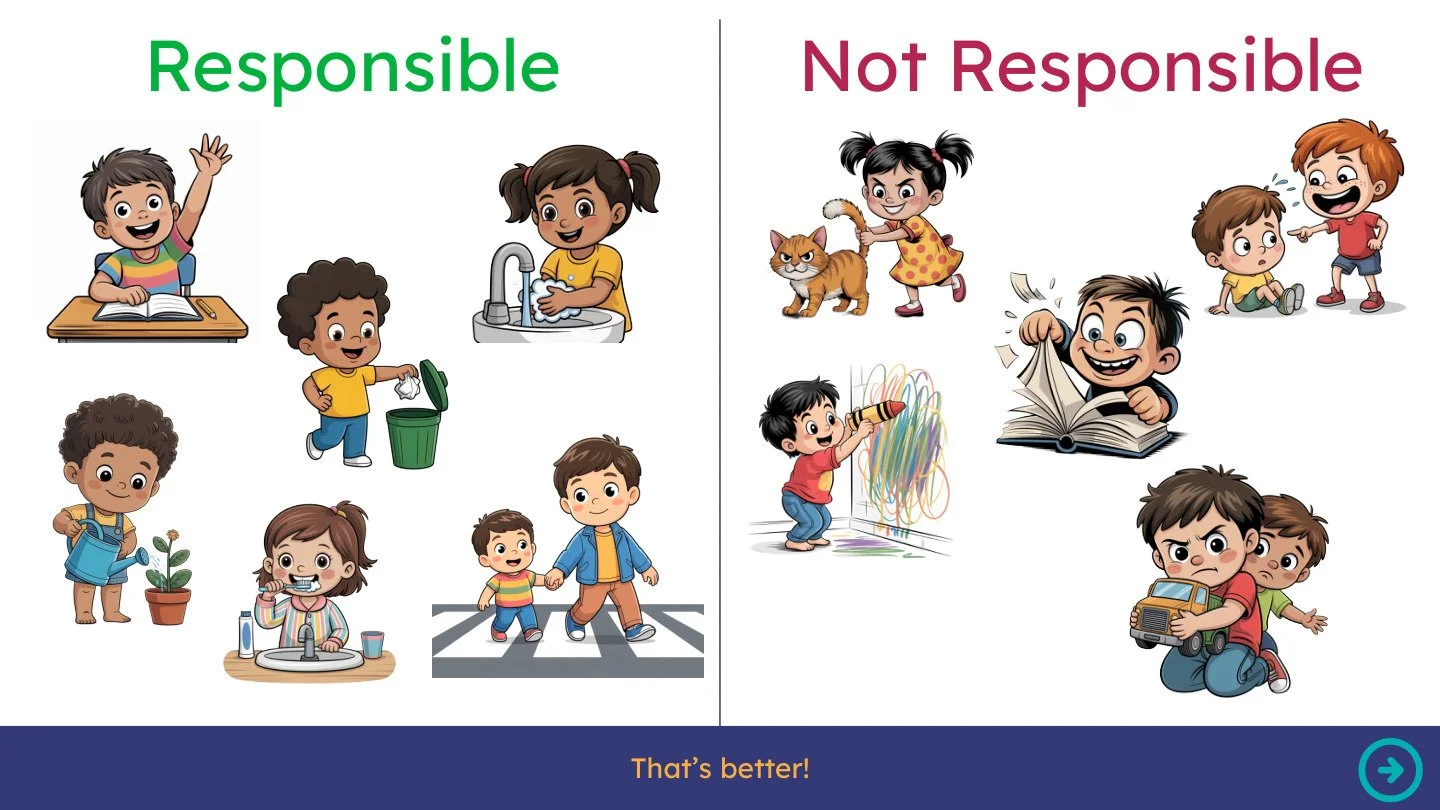
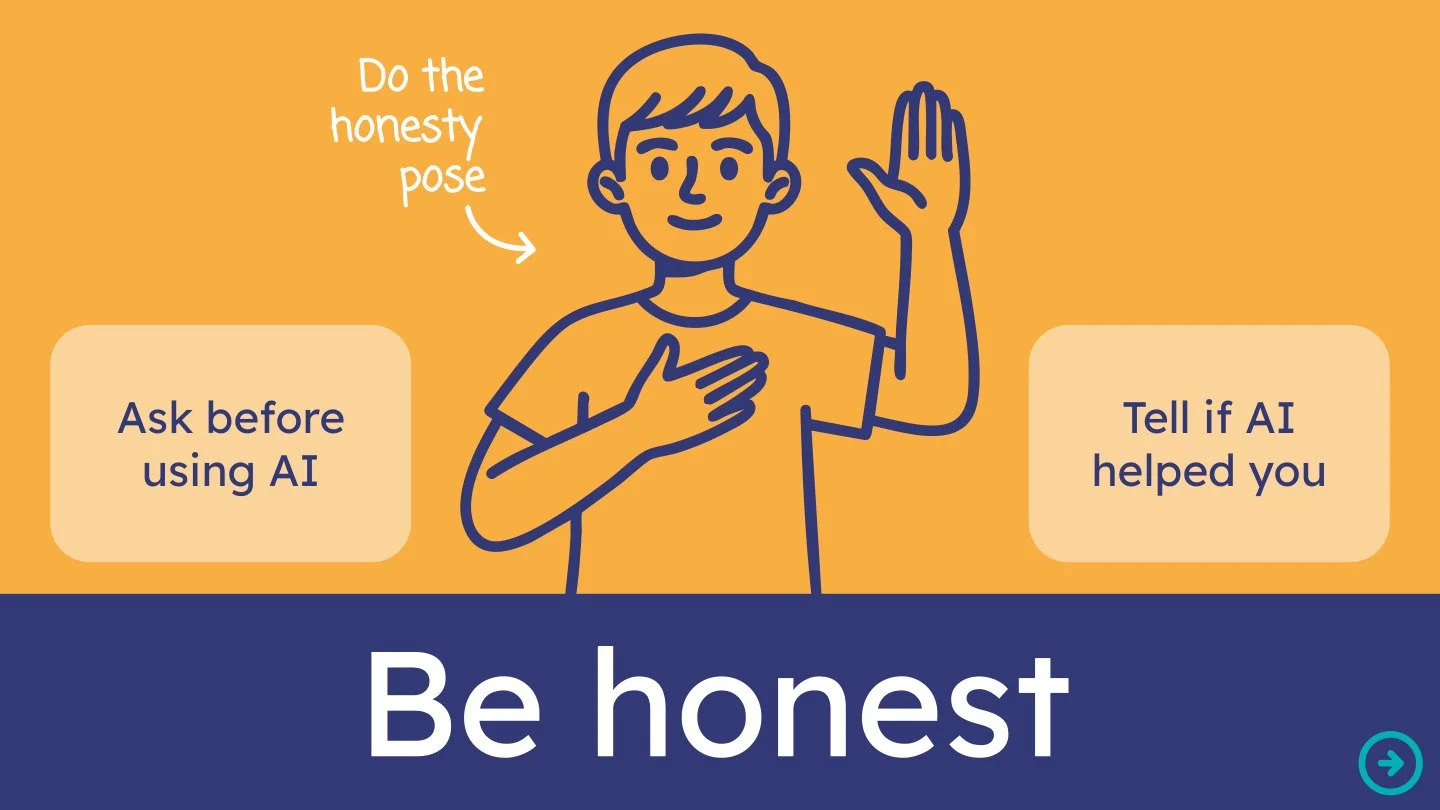
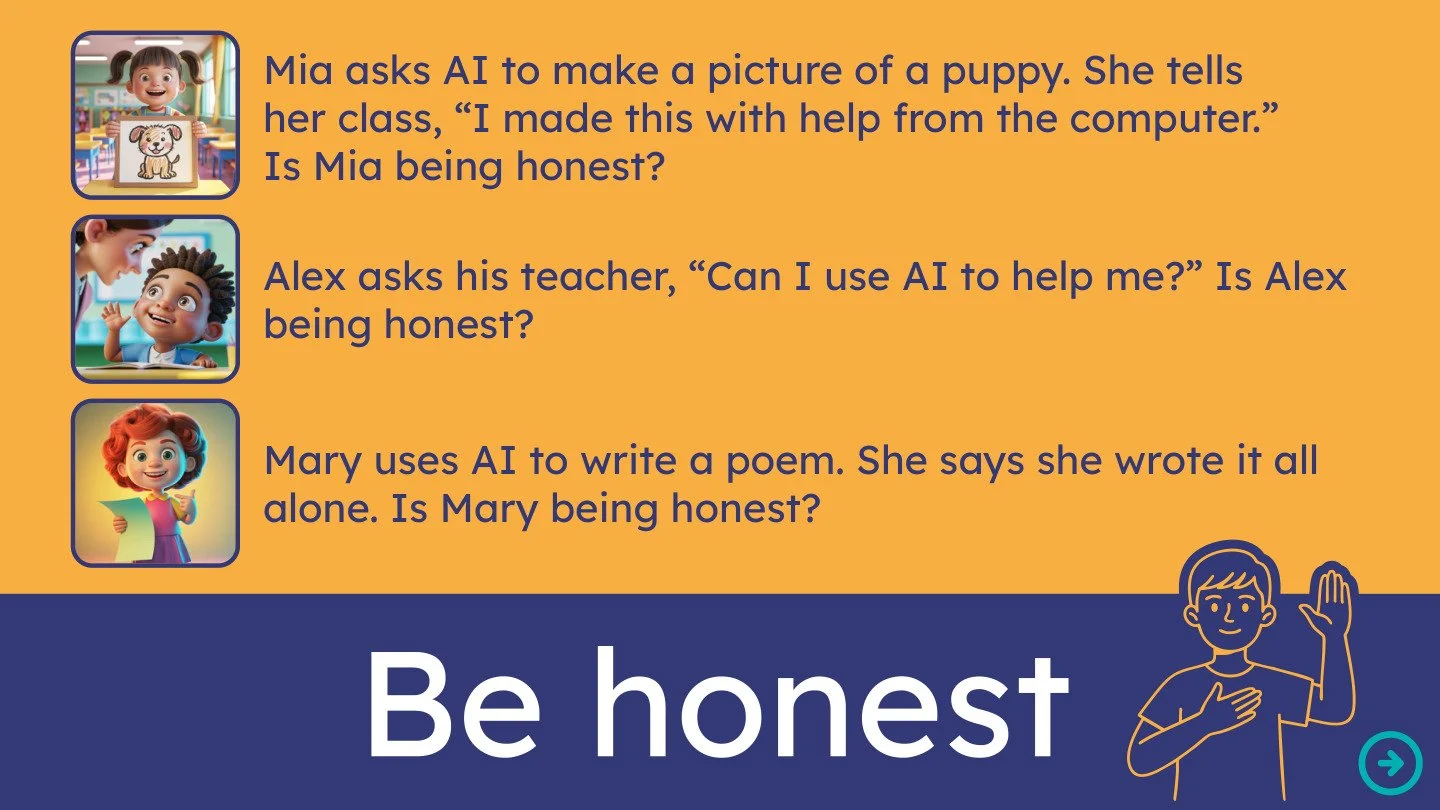
How do you know if you're using AI the right way? — Students explore responsible AI habits, evaluate honest versus dishonest scenarios, and learn how to disclose AI assistance appropriately.
Grades 6–8
How does AI make smart guesses? — Students investigate how AI analyzes massive amounts of examples to spot patterns and predict what word or image comes next.
How do you know if you're using AI the right way? — Students explore responsible AI habits, evaluate honest versus dishonest scenarios, and learn how to disclose AI assistance appropriately.
Grades 9–12
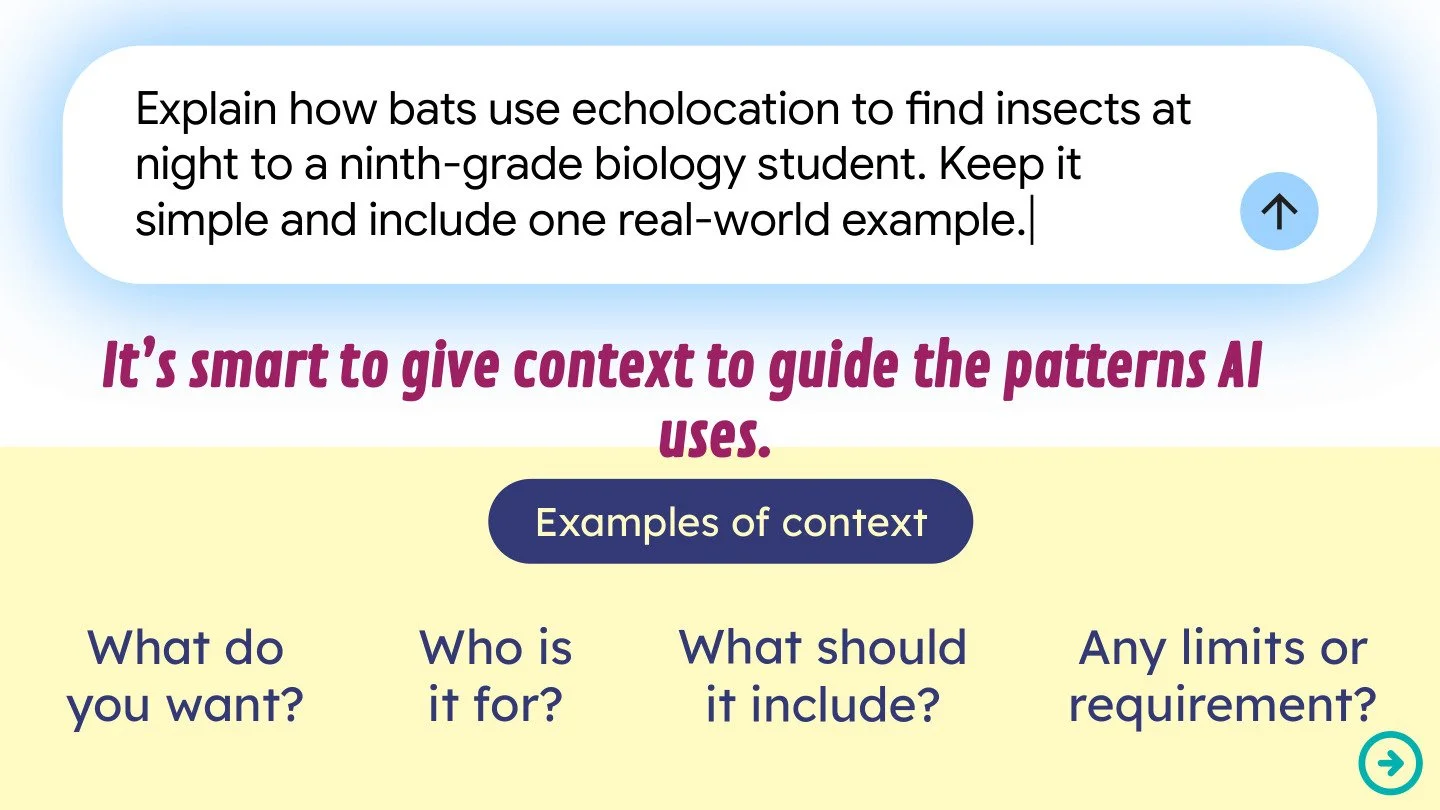
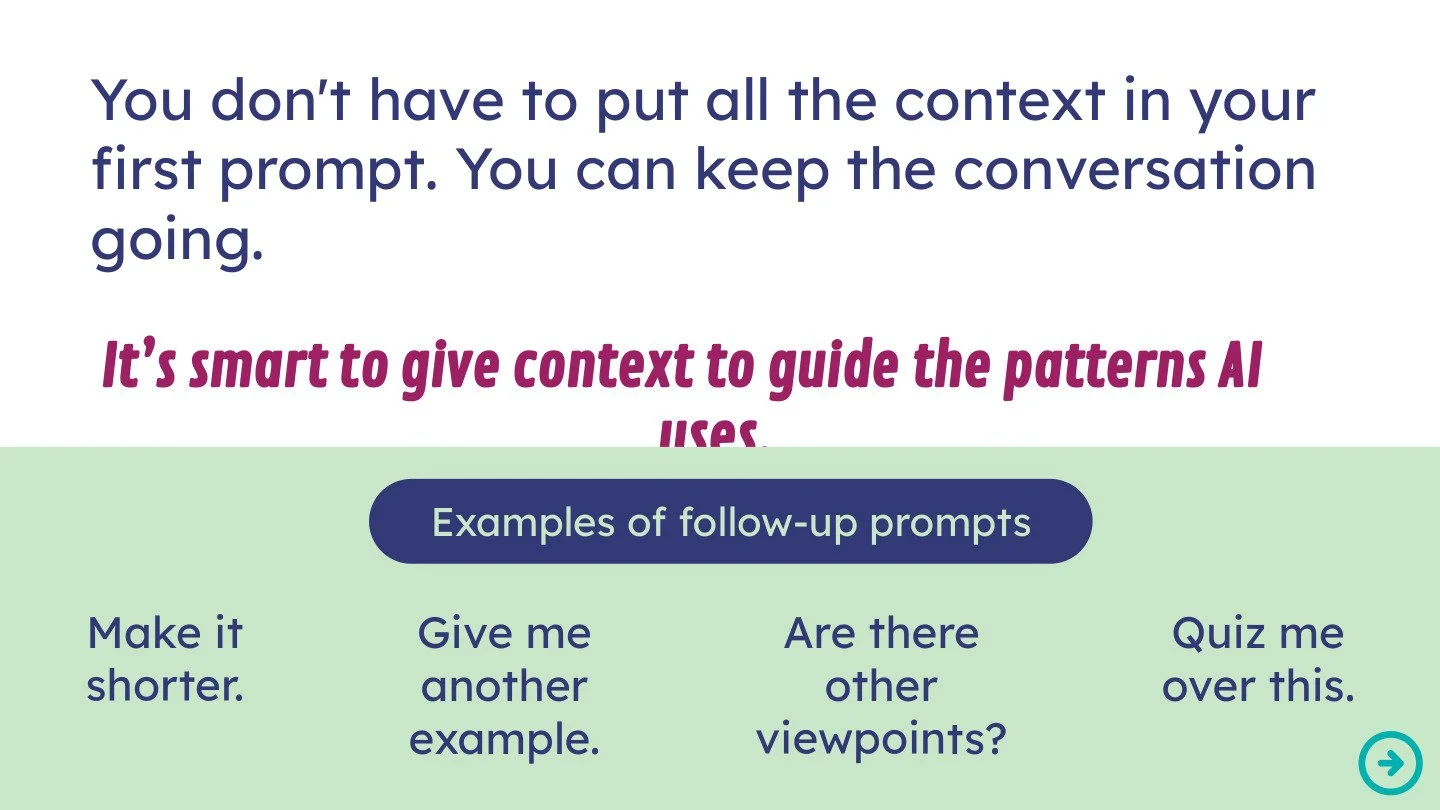
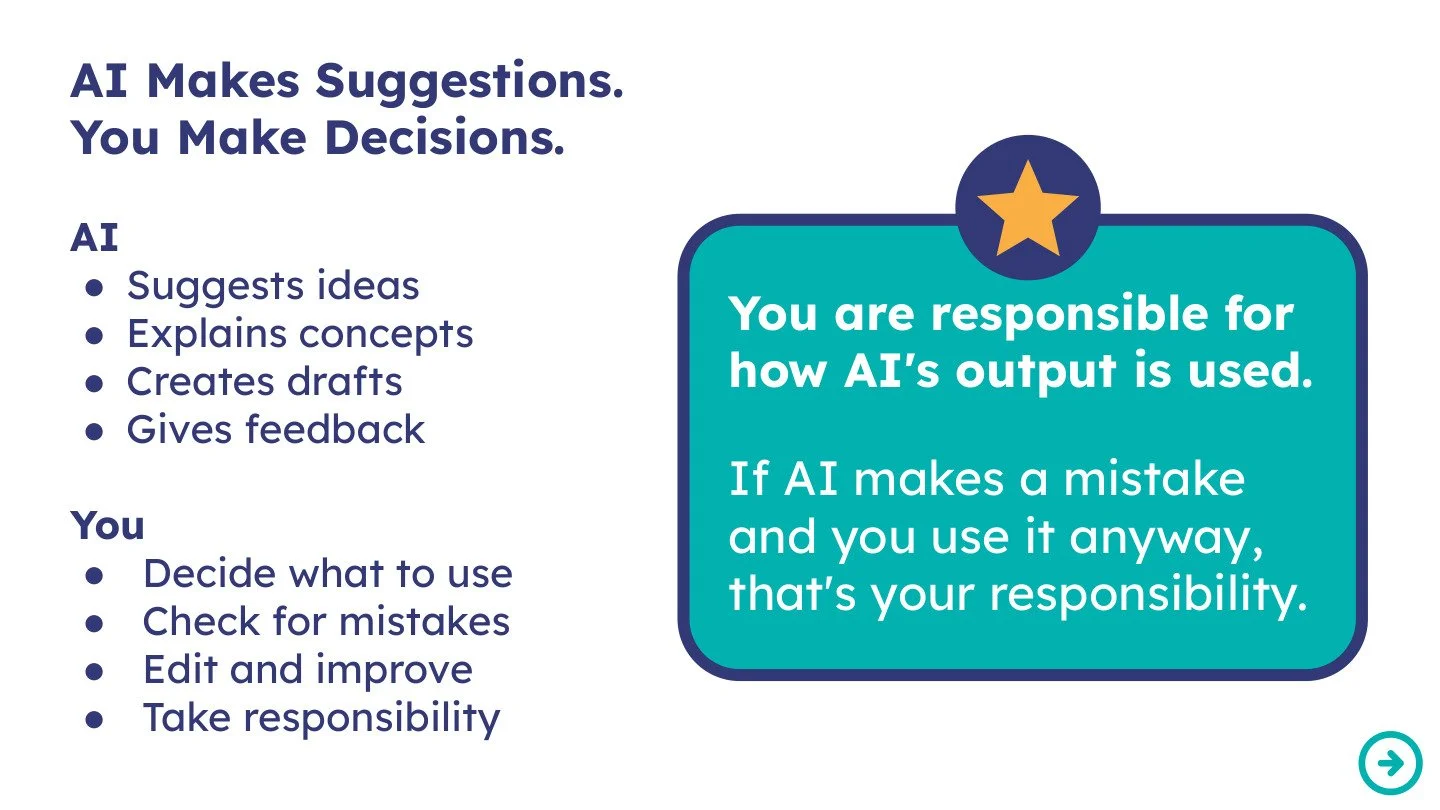
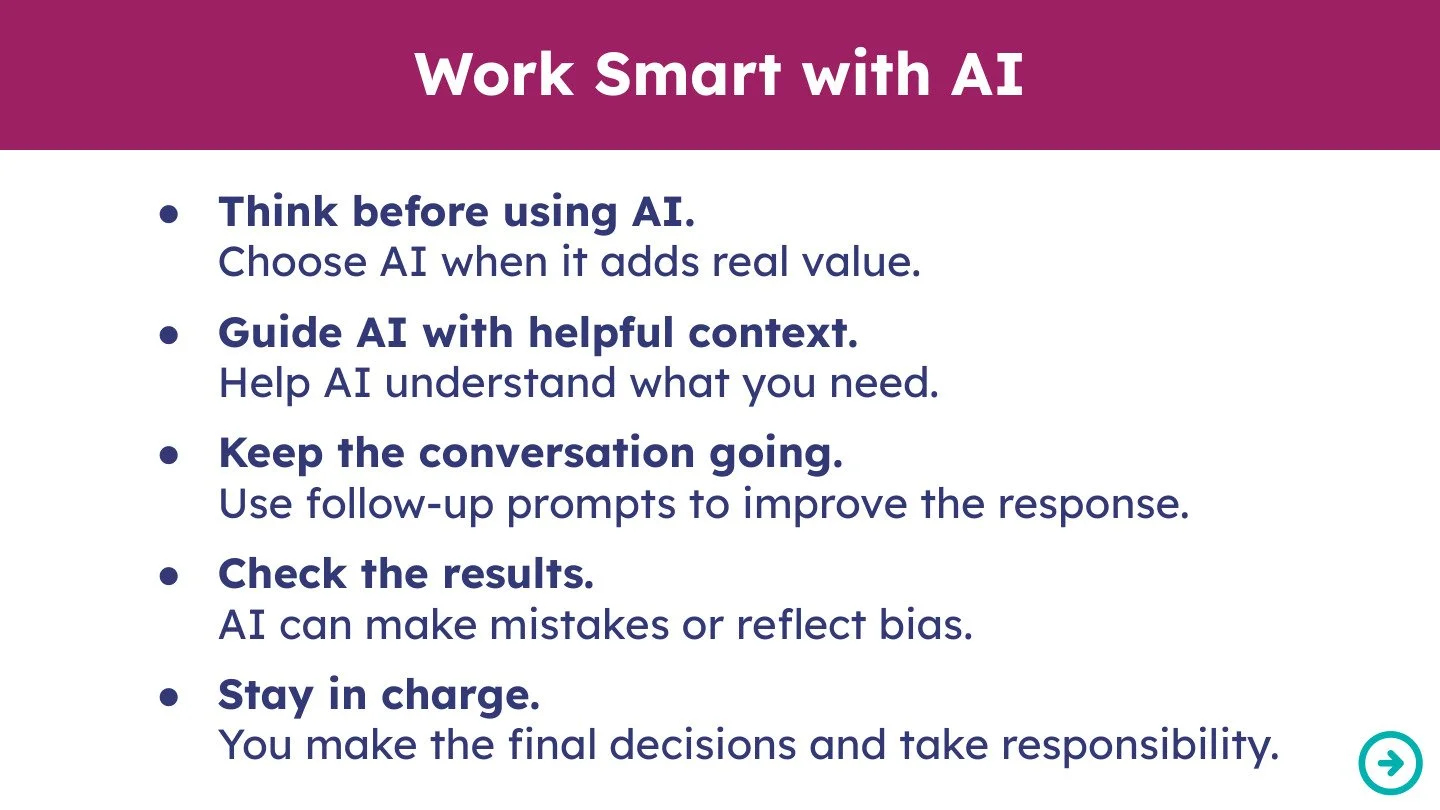
What's the smartest way to work with AI? — Students examine how AI runs in data centers and functions best as a thinking partner when guided with context, follow-up prompts, and human oversight.
Critique
Grades 2–3
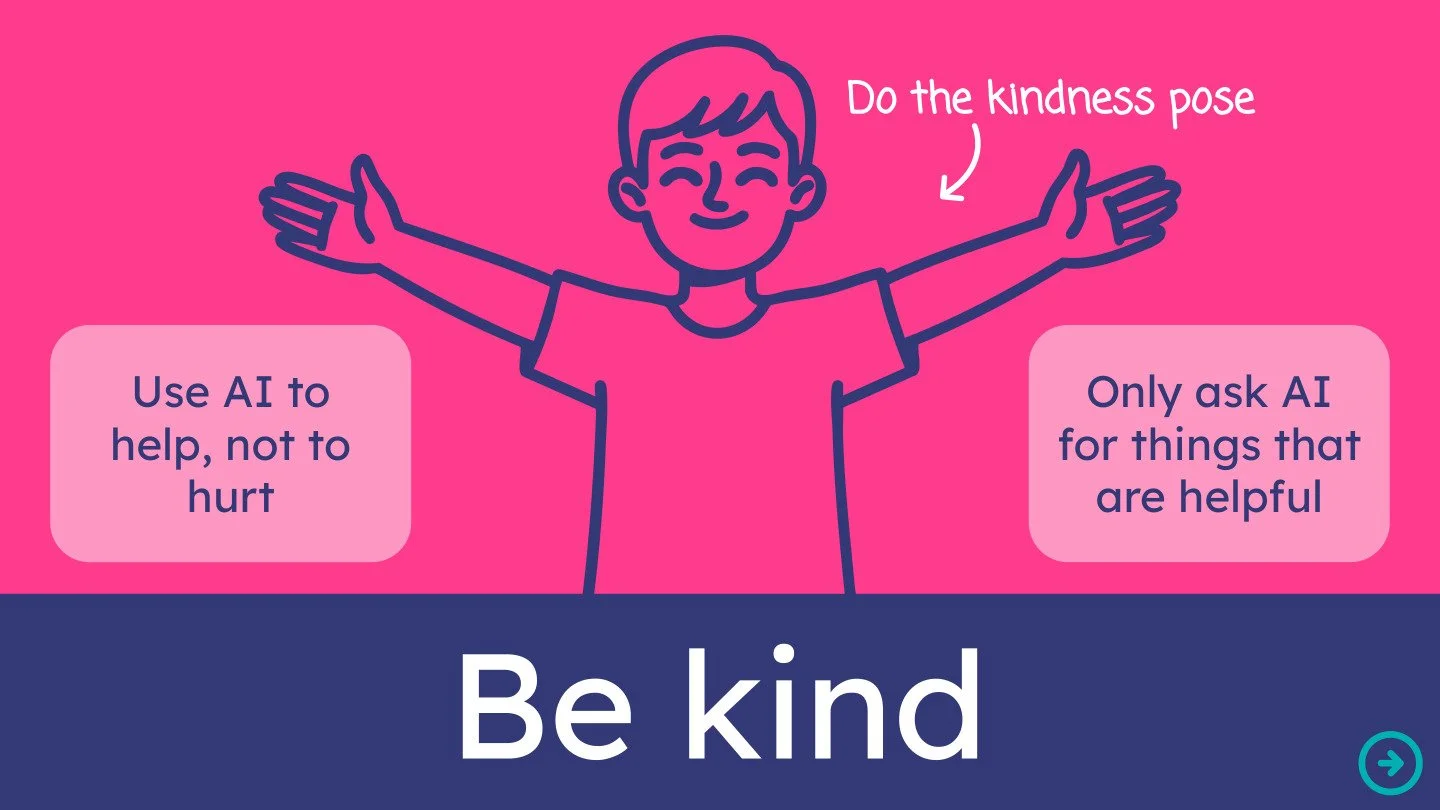
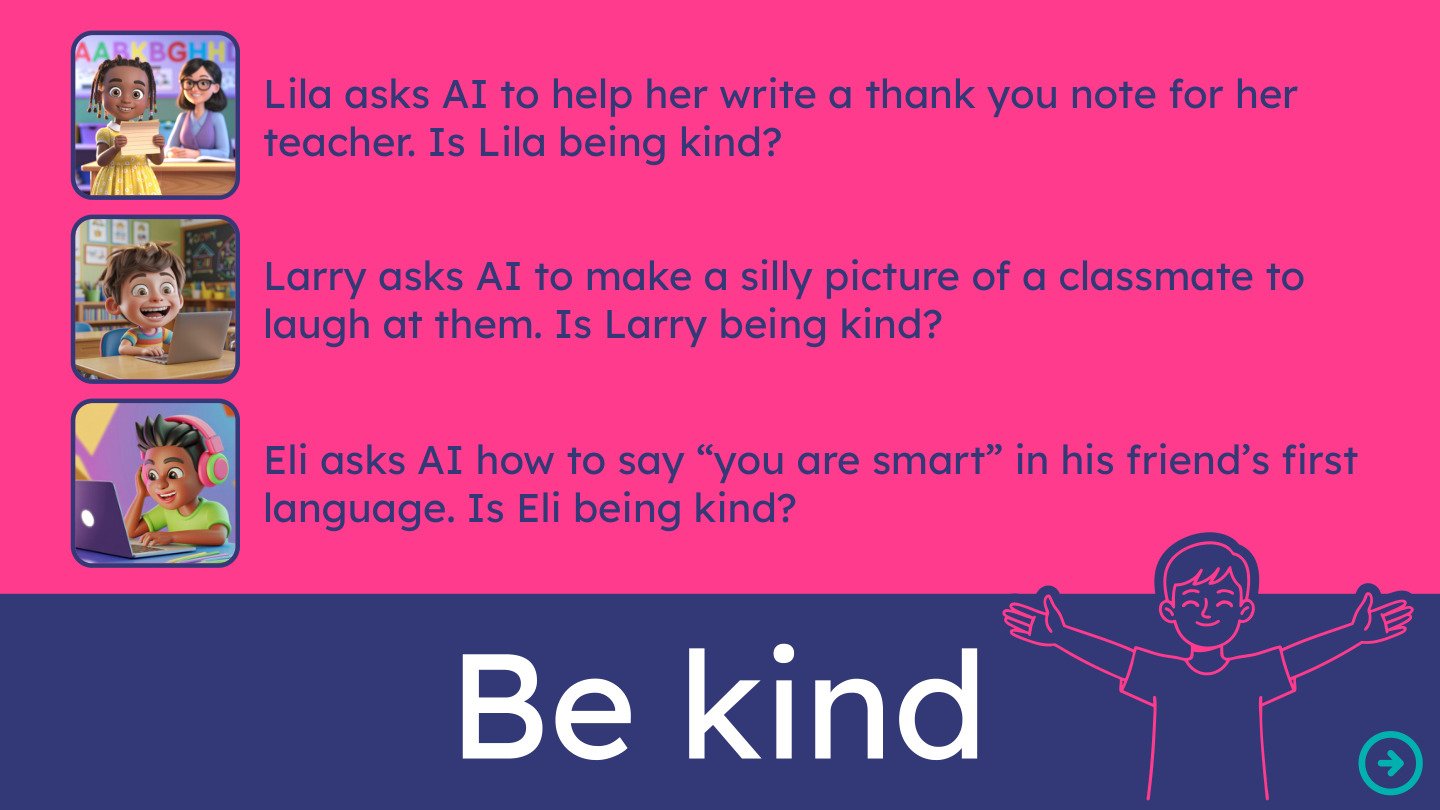
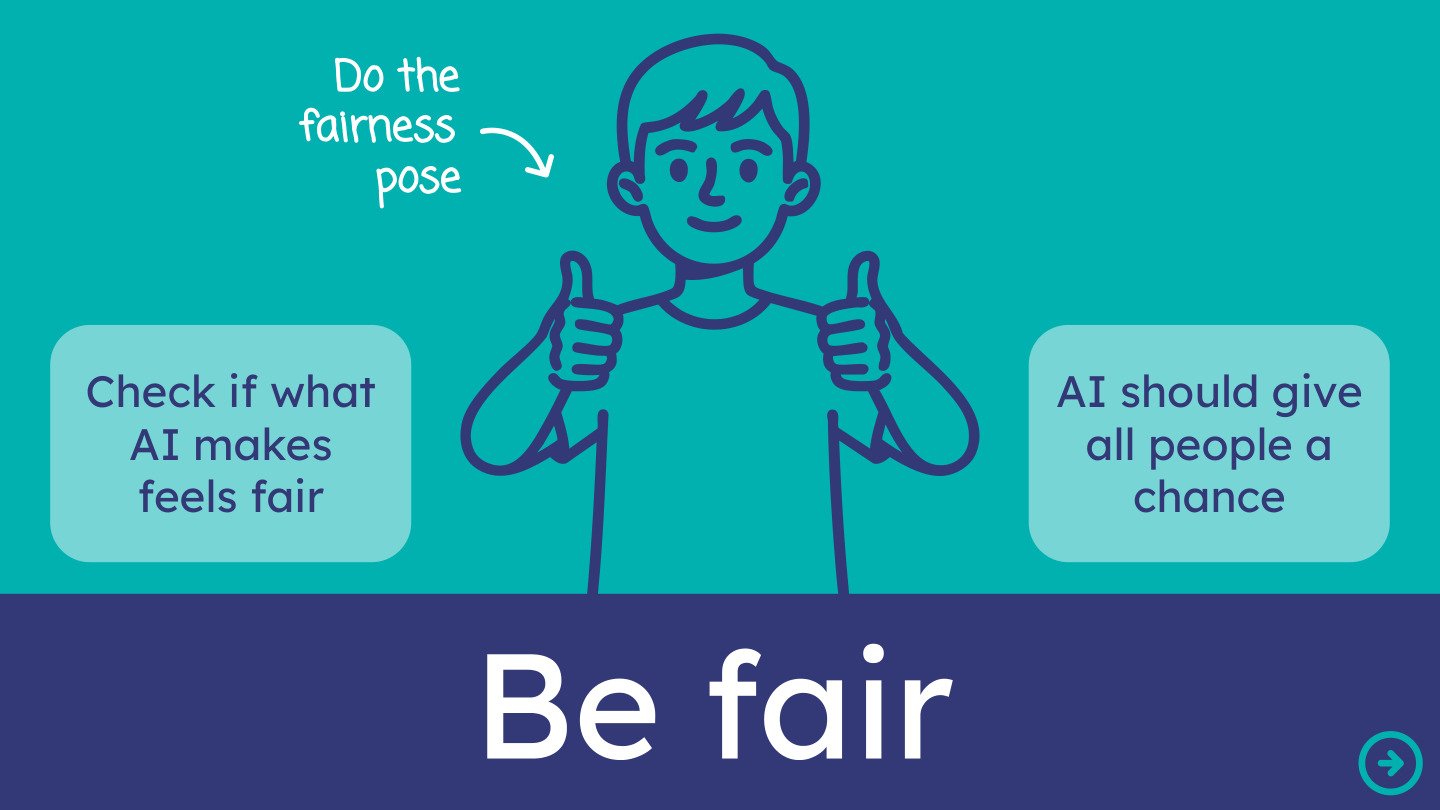
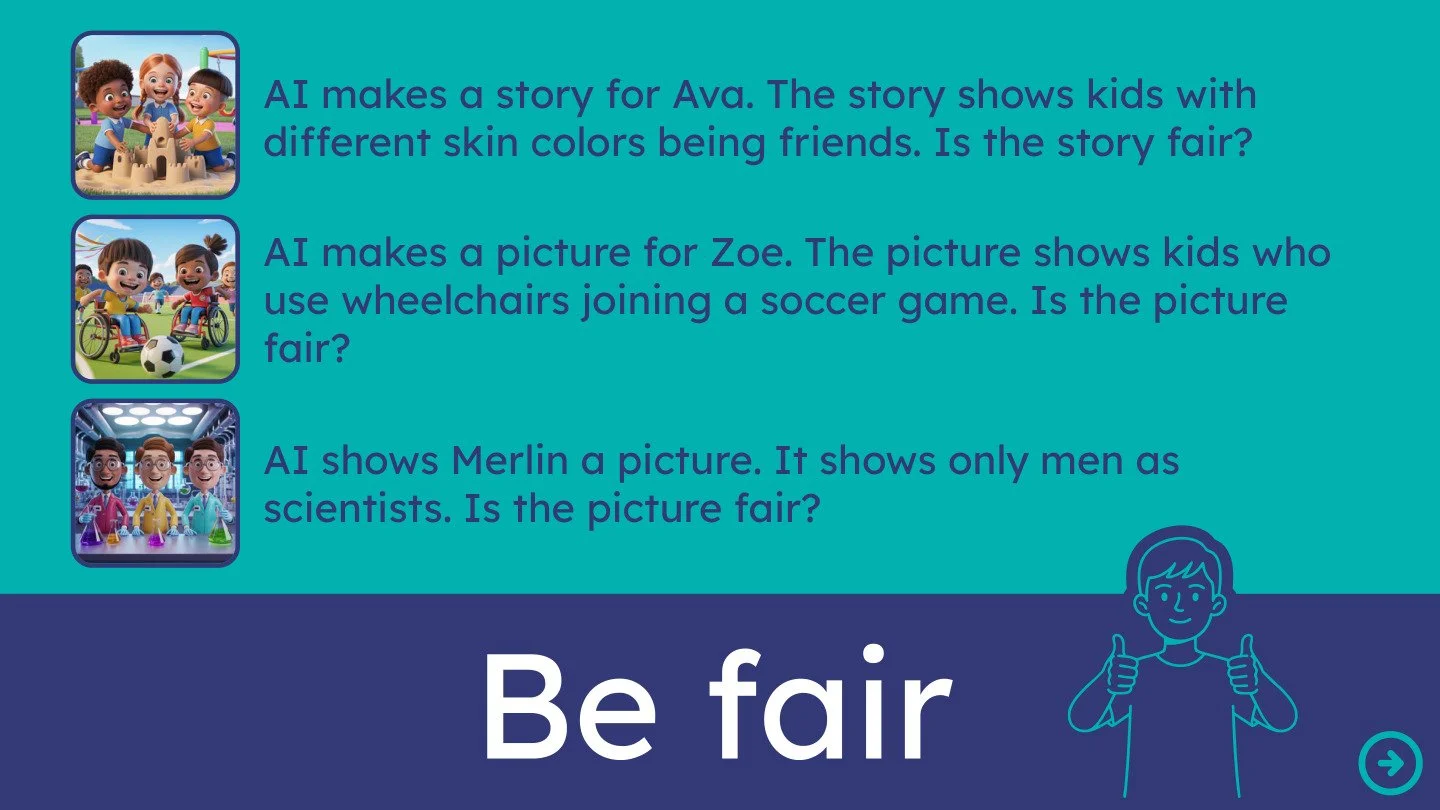
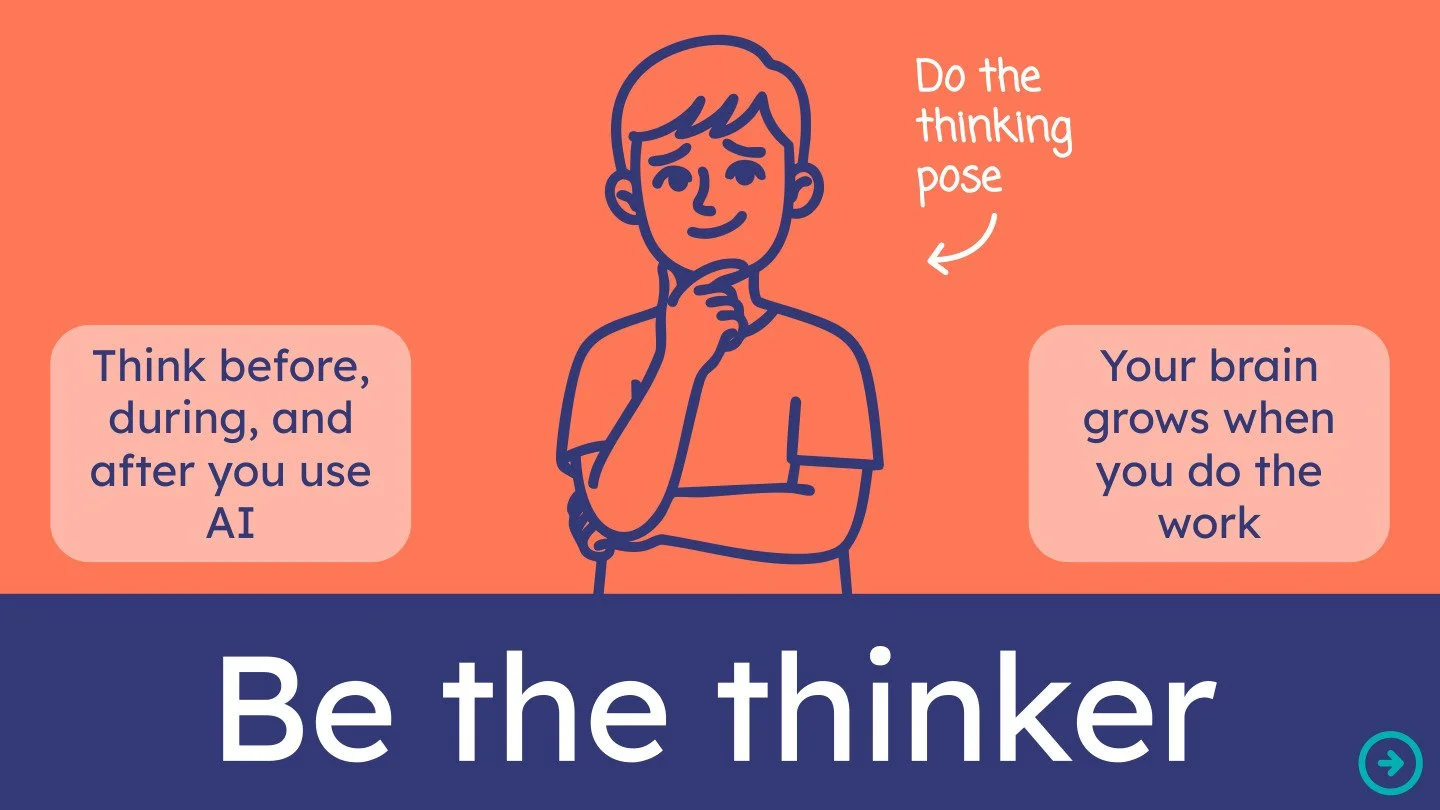
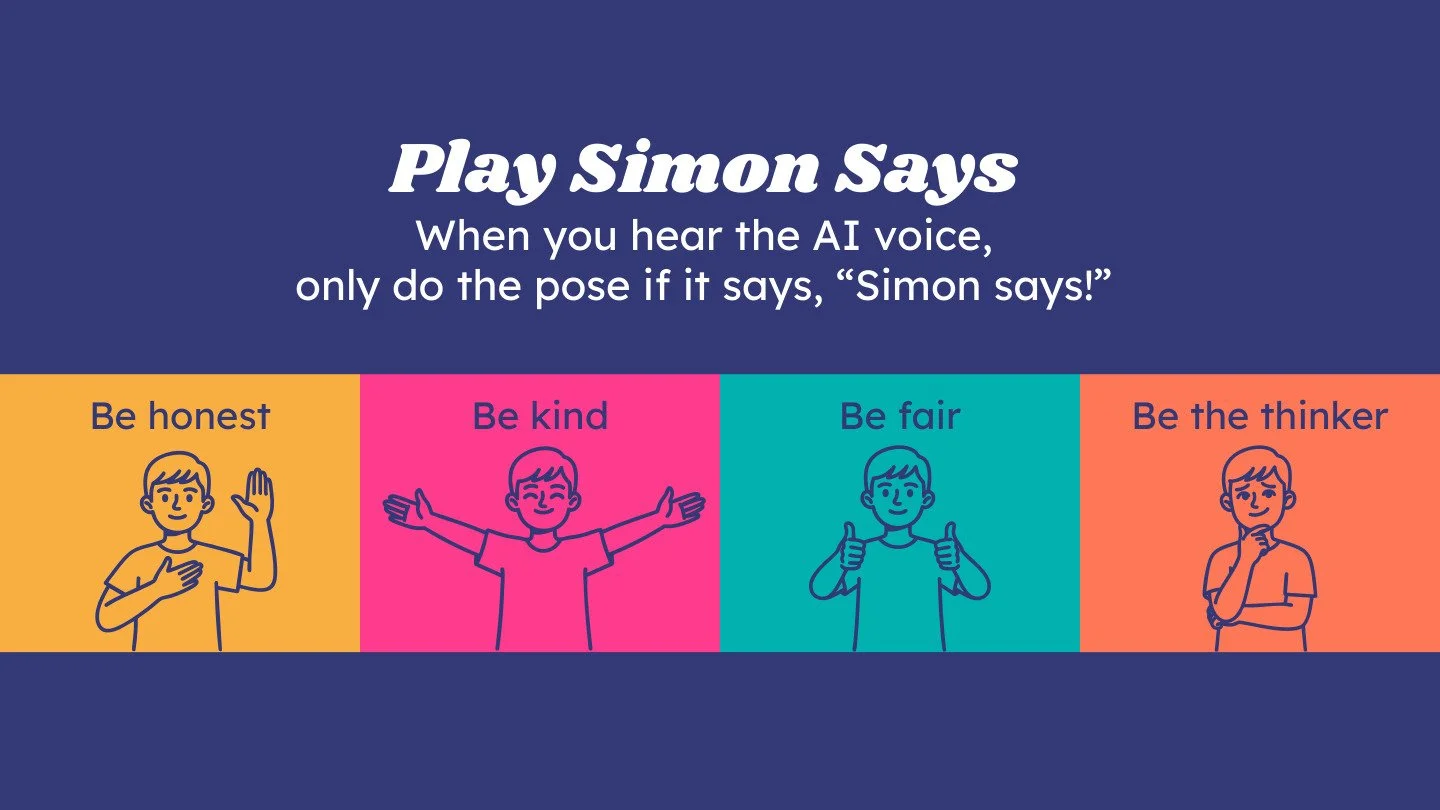
What is the right way to use AI? — Students learn to evaluate their AI usage by practicing four core habits: being honest, being kind, being fair, and keeping their own brains active.
Grades 4–5
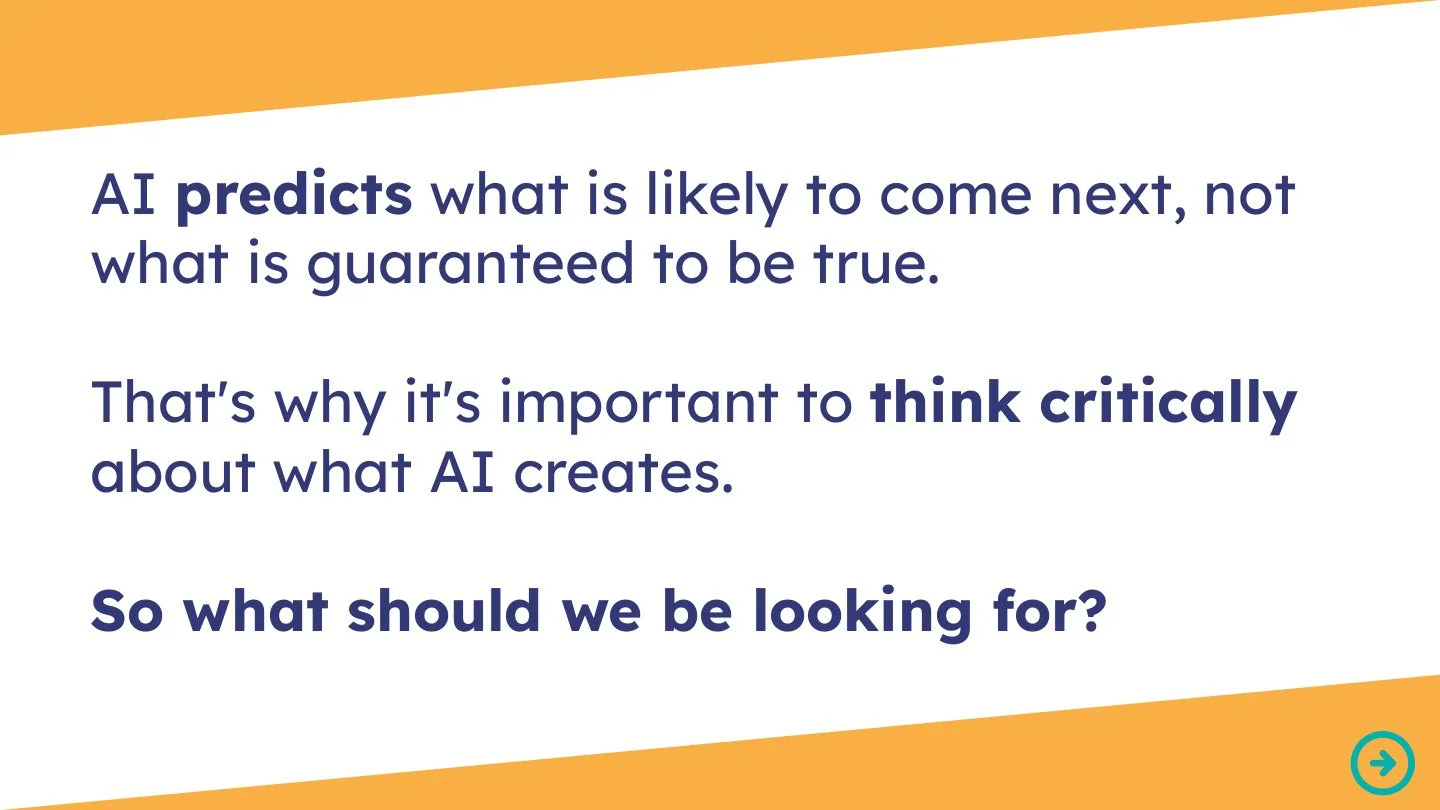
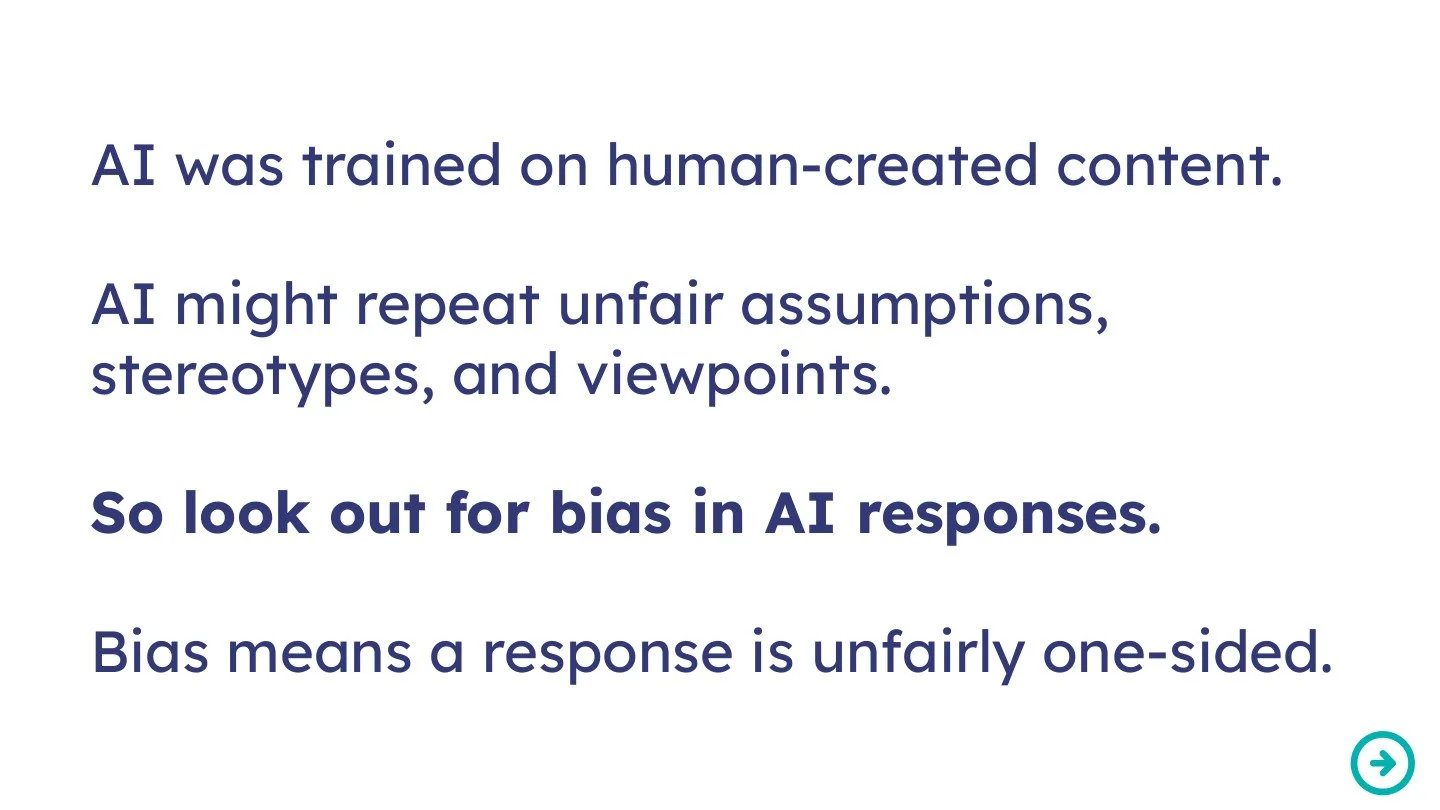
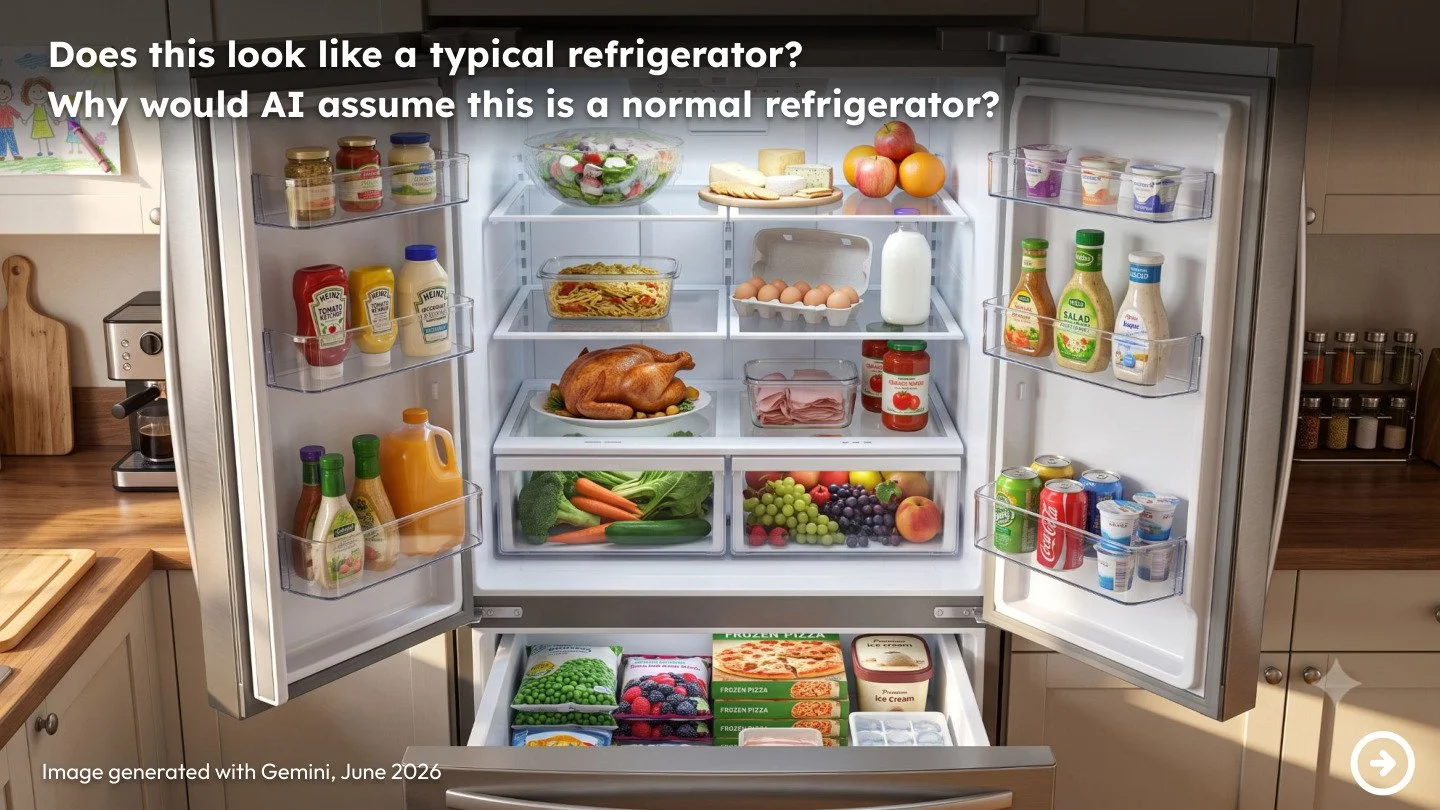
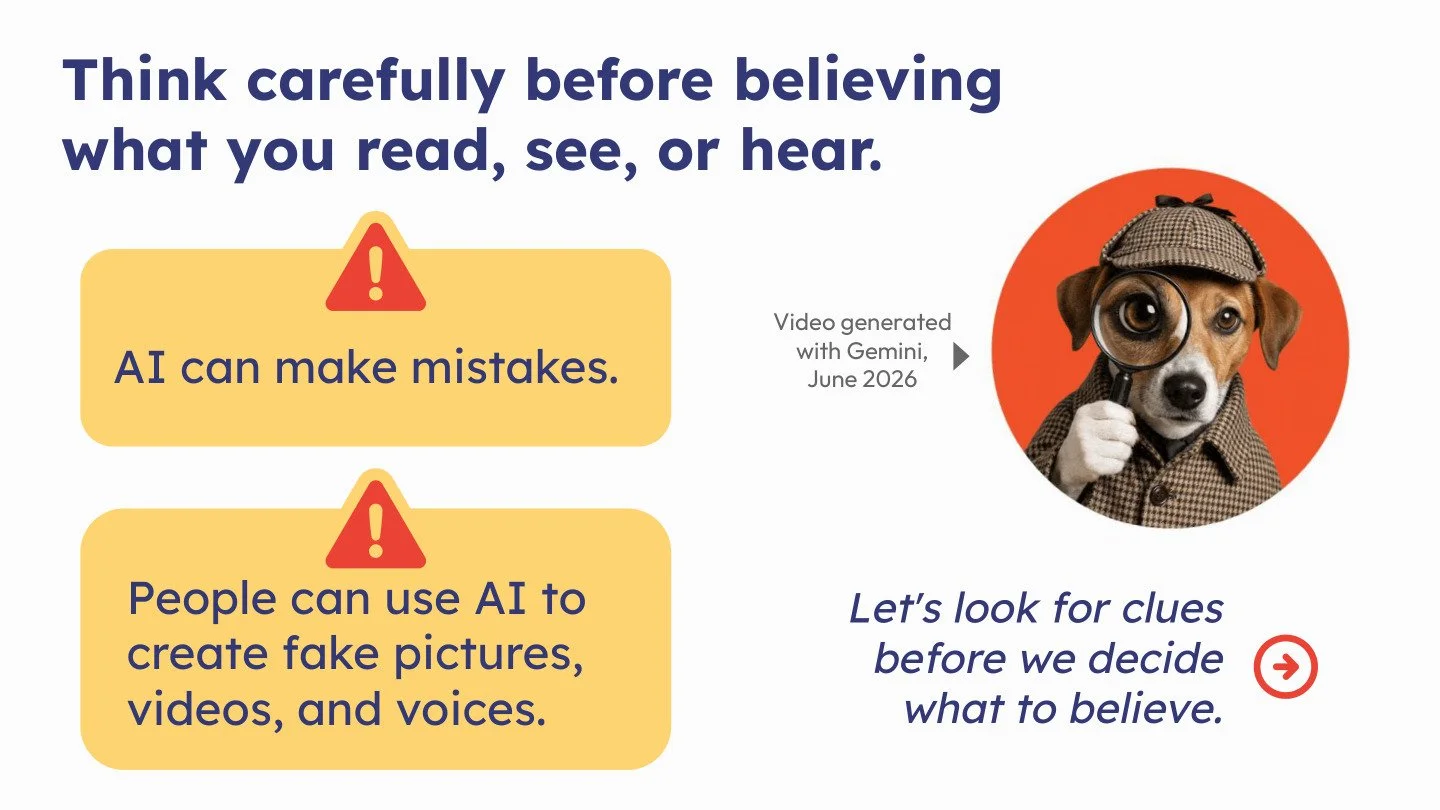
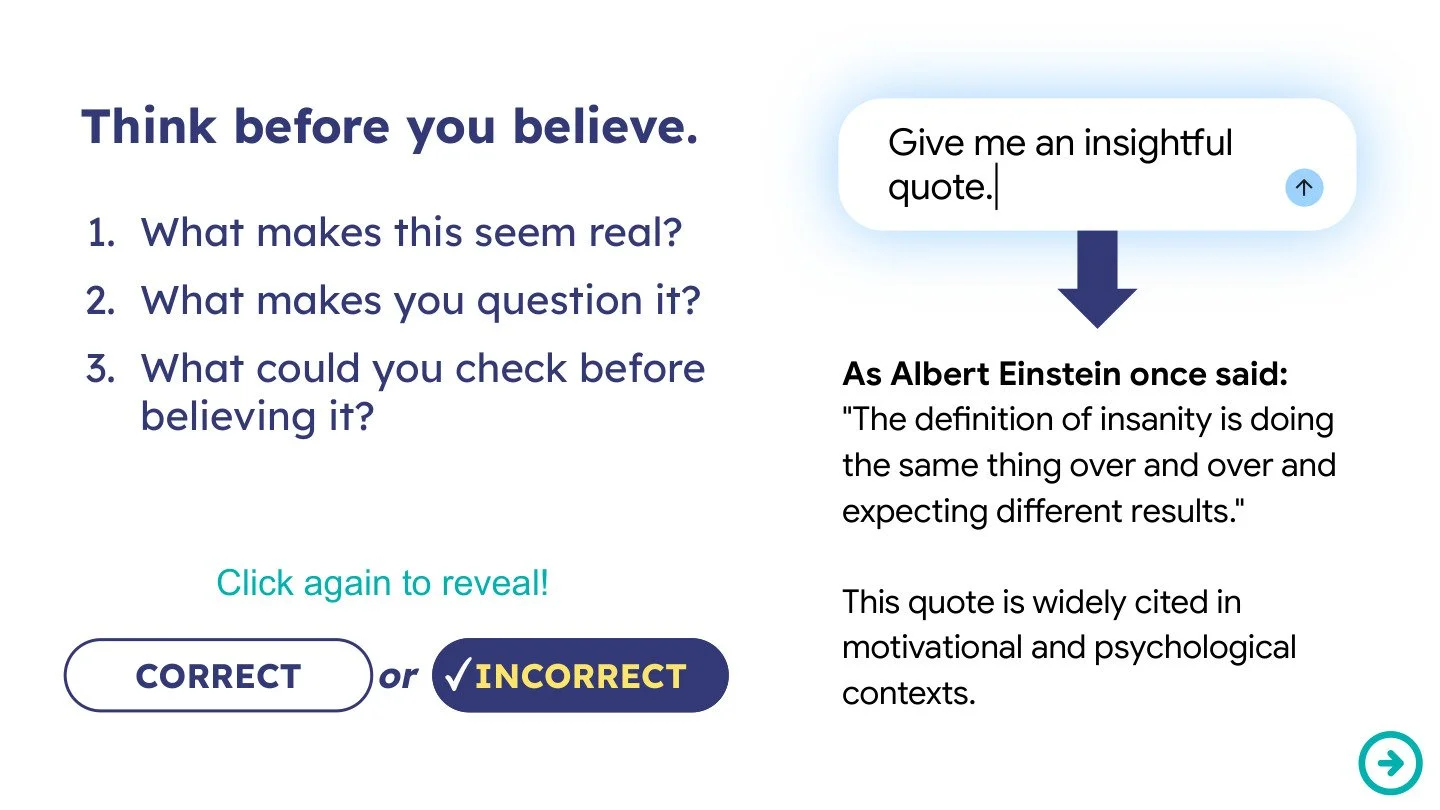
If AI knows so much, why does it make mistakes? — Students learn that AI is a pattern-matcher rather than a knower, leading to potential hallucinations, red flags, and algorithmic bias.
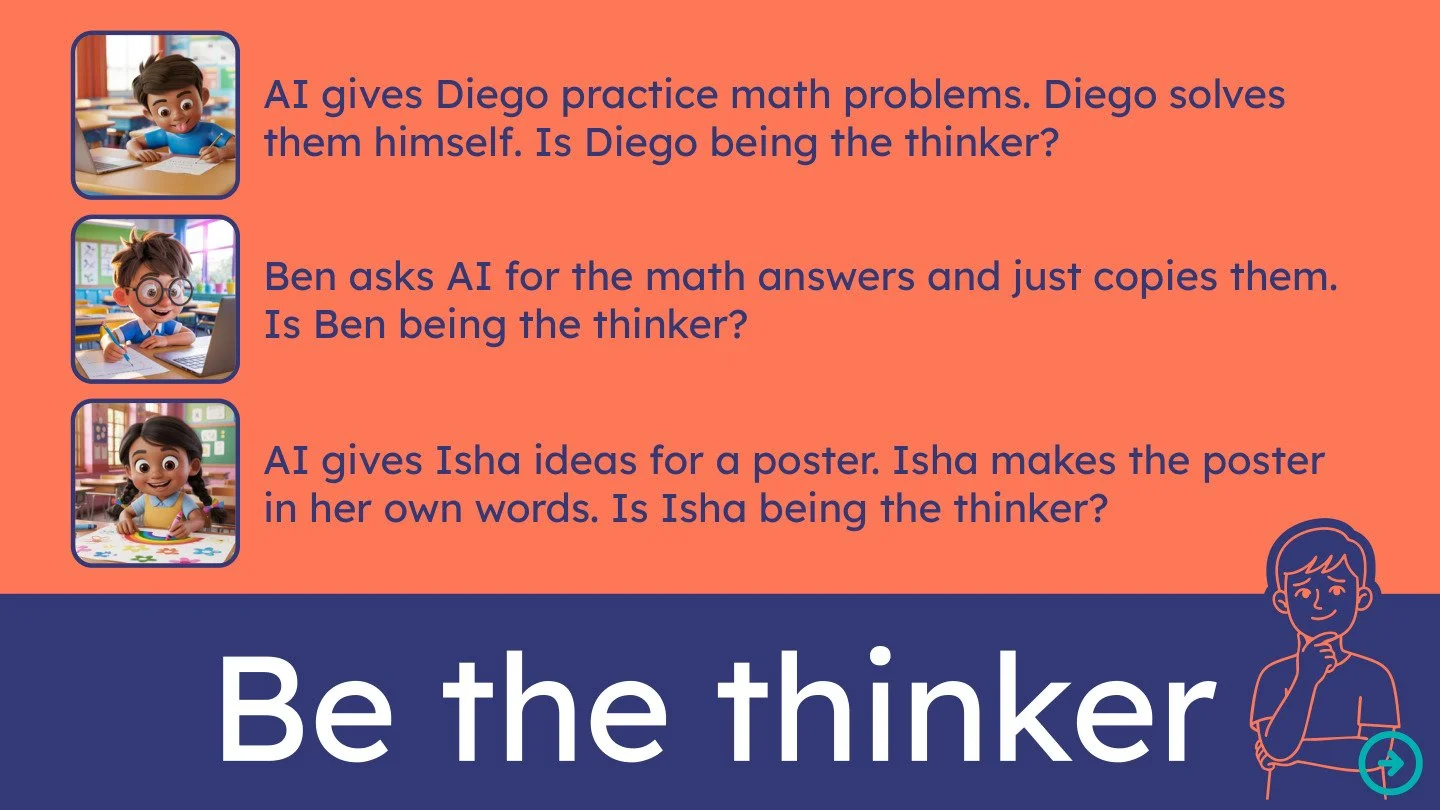
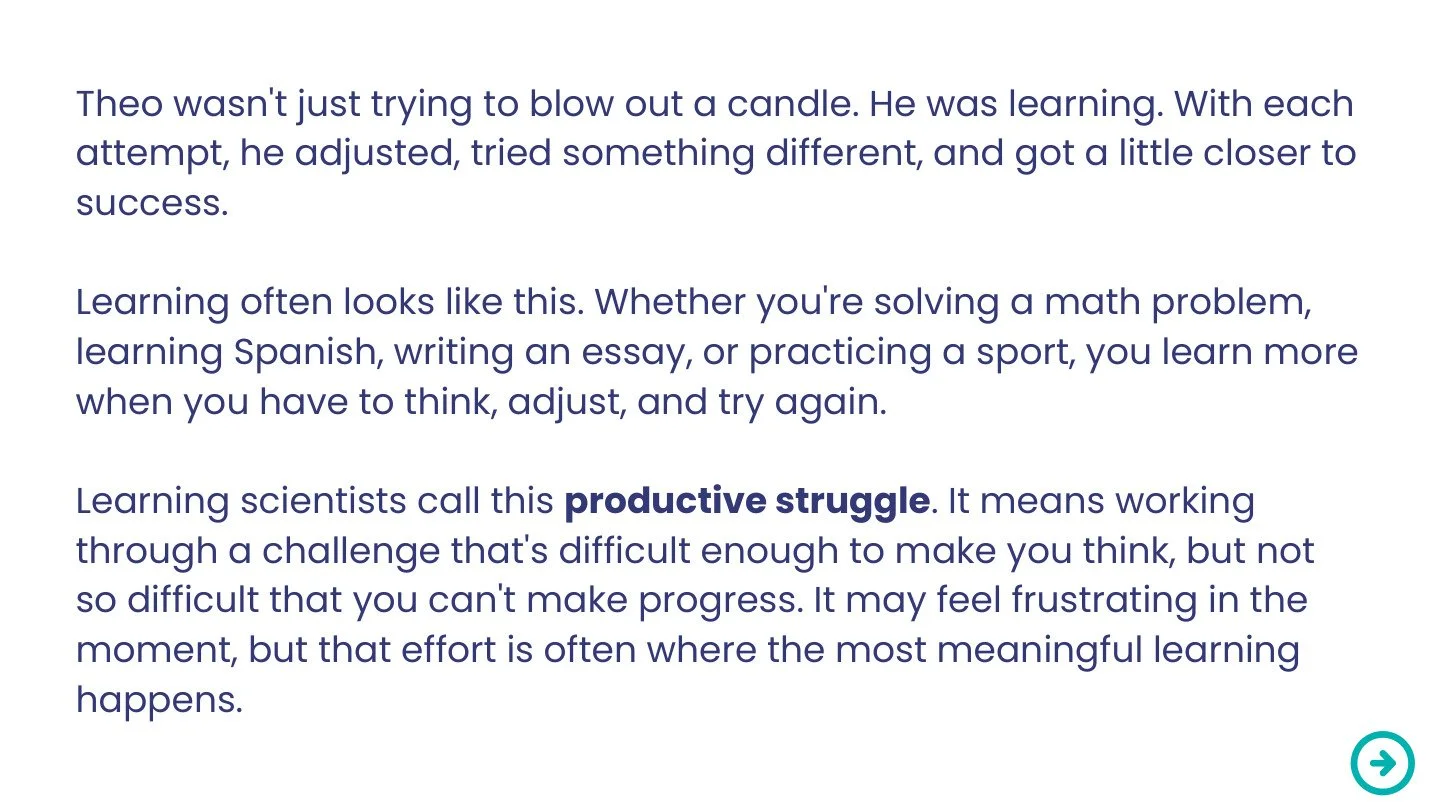
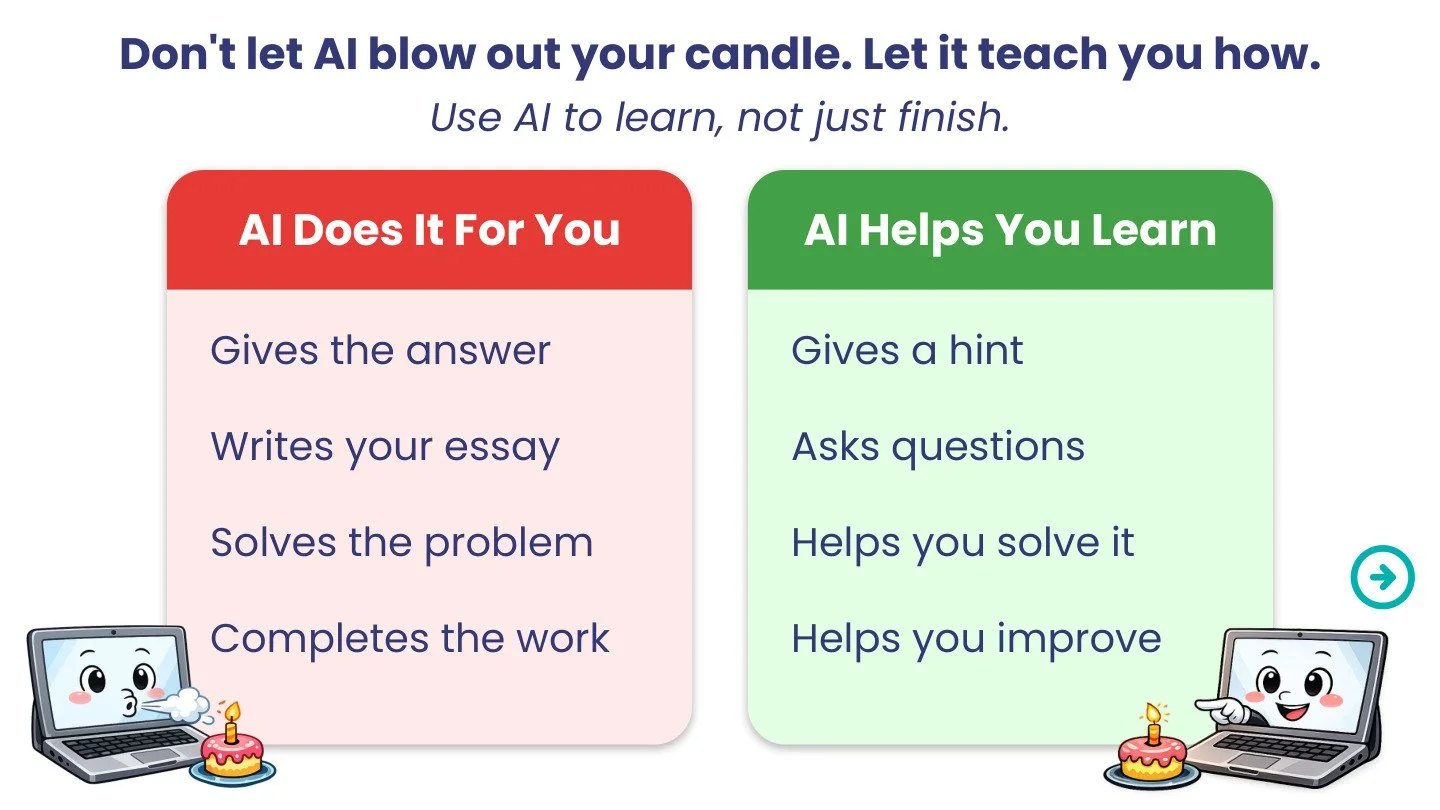
When does AI help you learn? When does it stop you from learning? — Students analyze the difference between using AI as a supportive learning partner and using it as a shortcut that takes away mental growth.
Grades 6–8
If AI knows so much, why does it make mistakes? — Students learn that AI is a pattern-matcher rather than a knower, leading to potential hallucinations, red flags, and algorithmic bias.
When does AI help you learn? When does it stop you from learning? — Students analyze the difference between using AI as a supportive learning partner and using it as a shortcut that takes away mental growth.
Grades 9–12
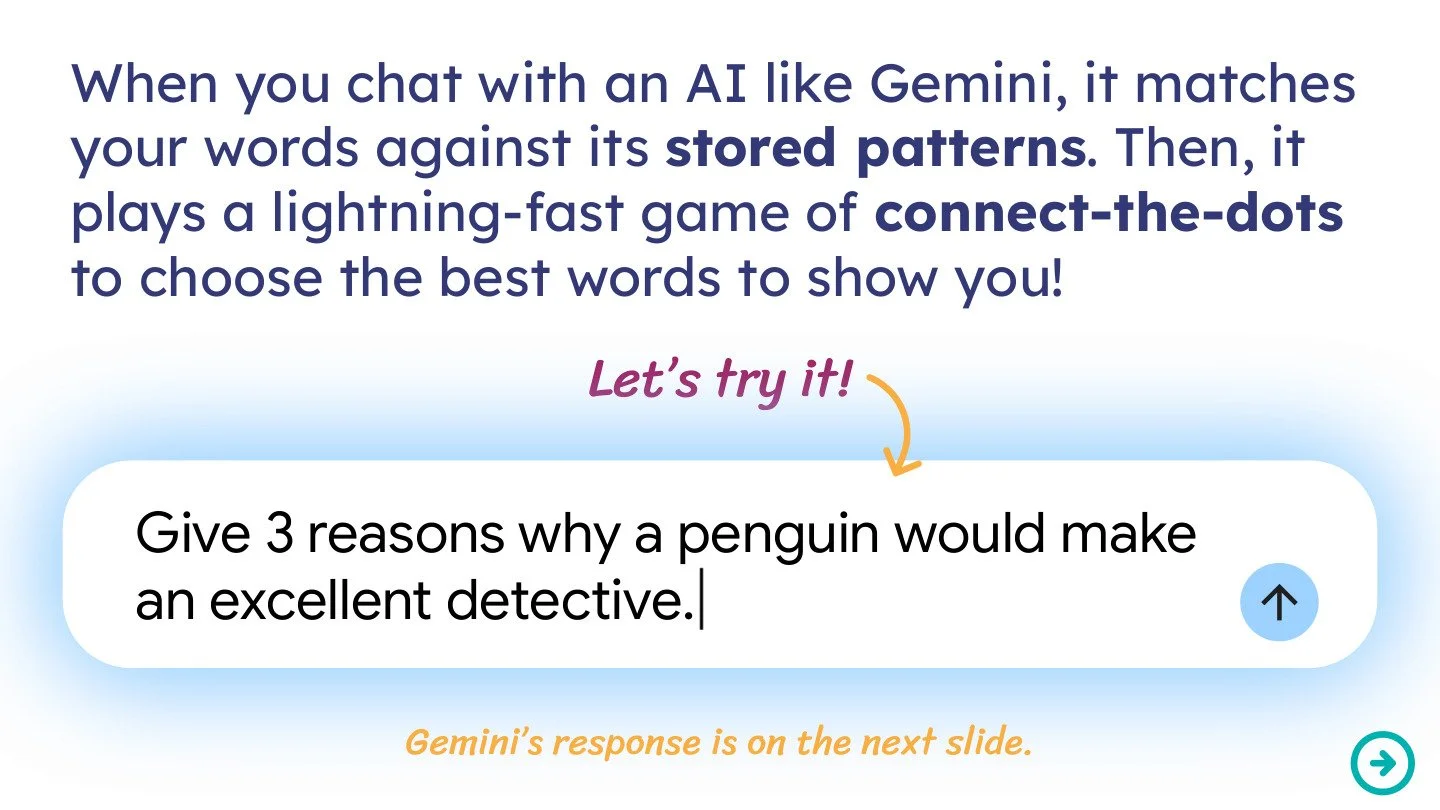
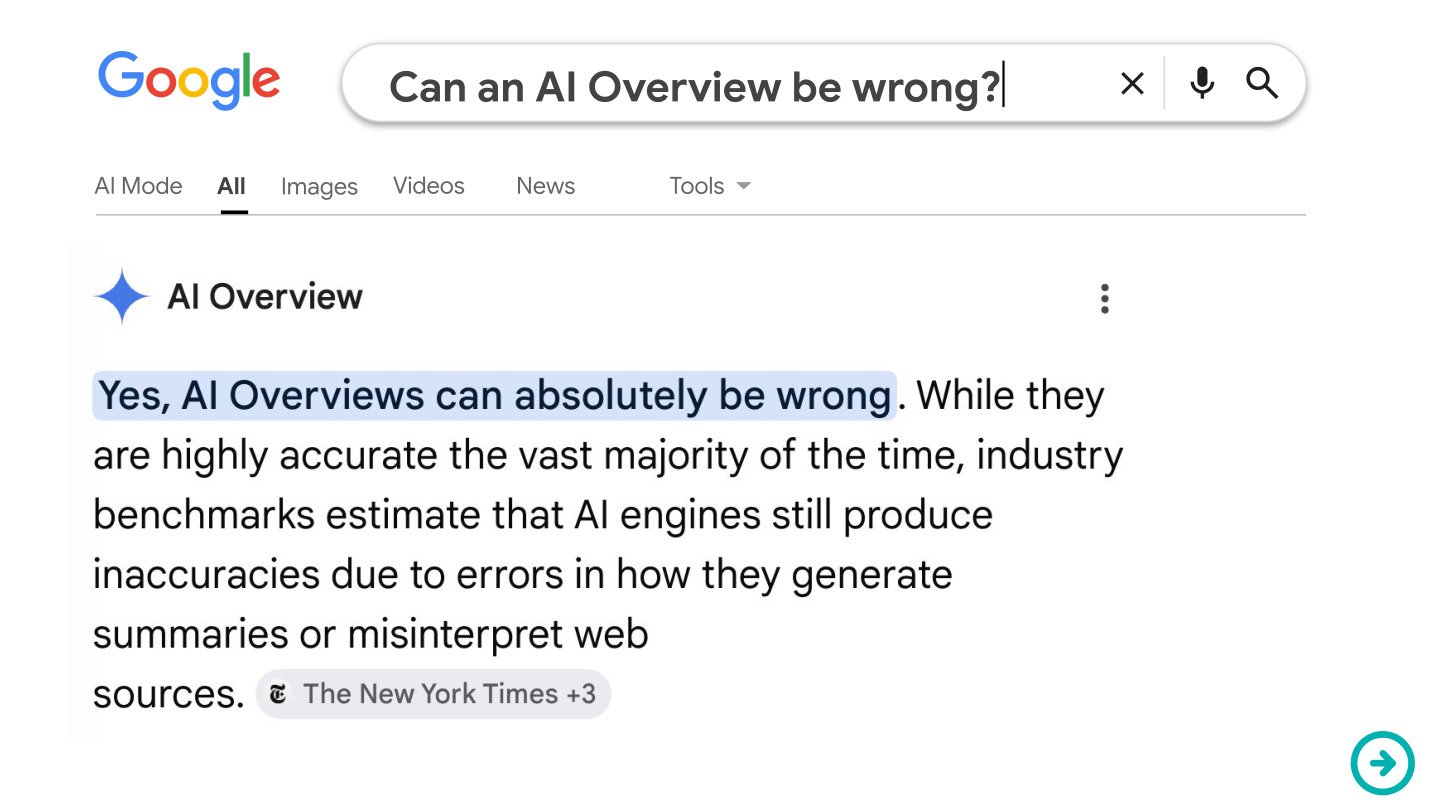
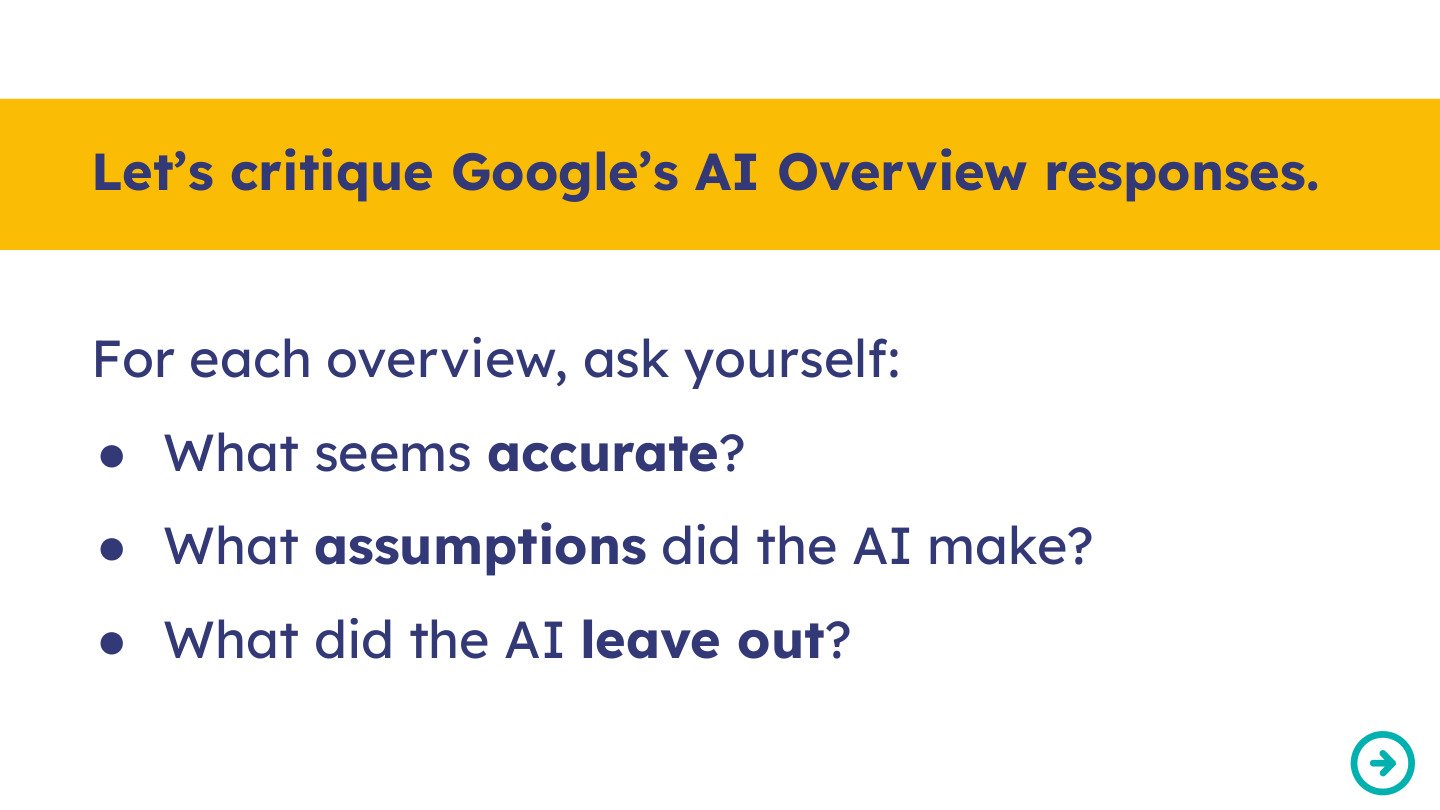
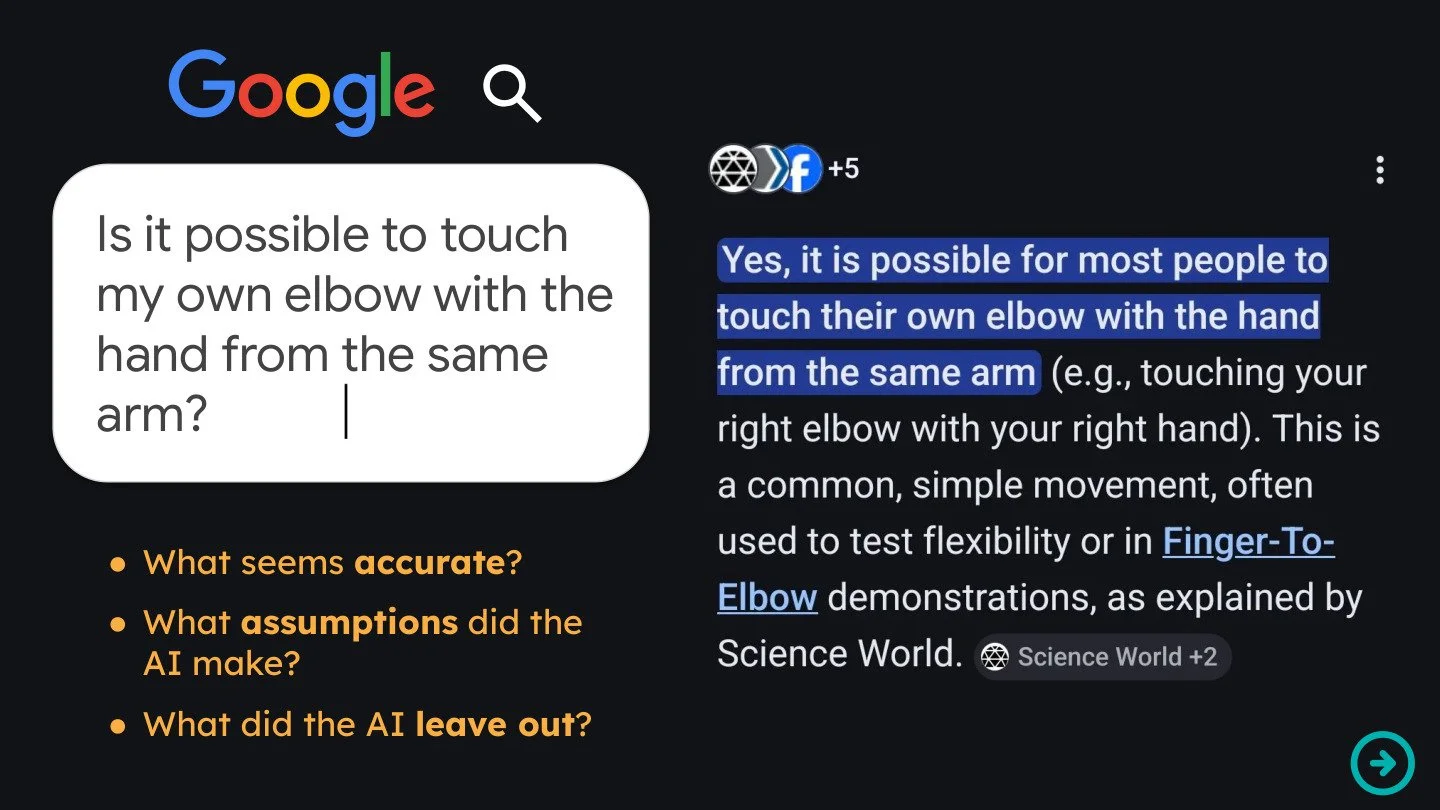
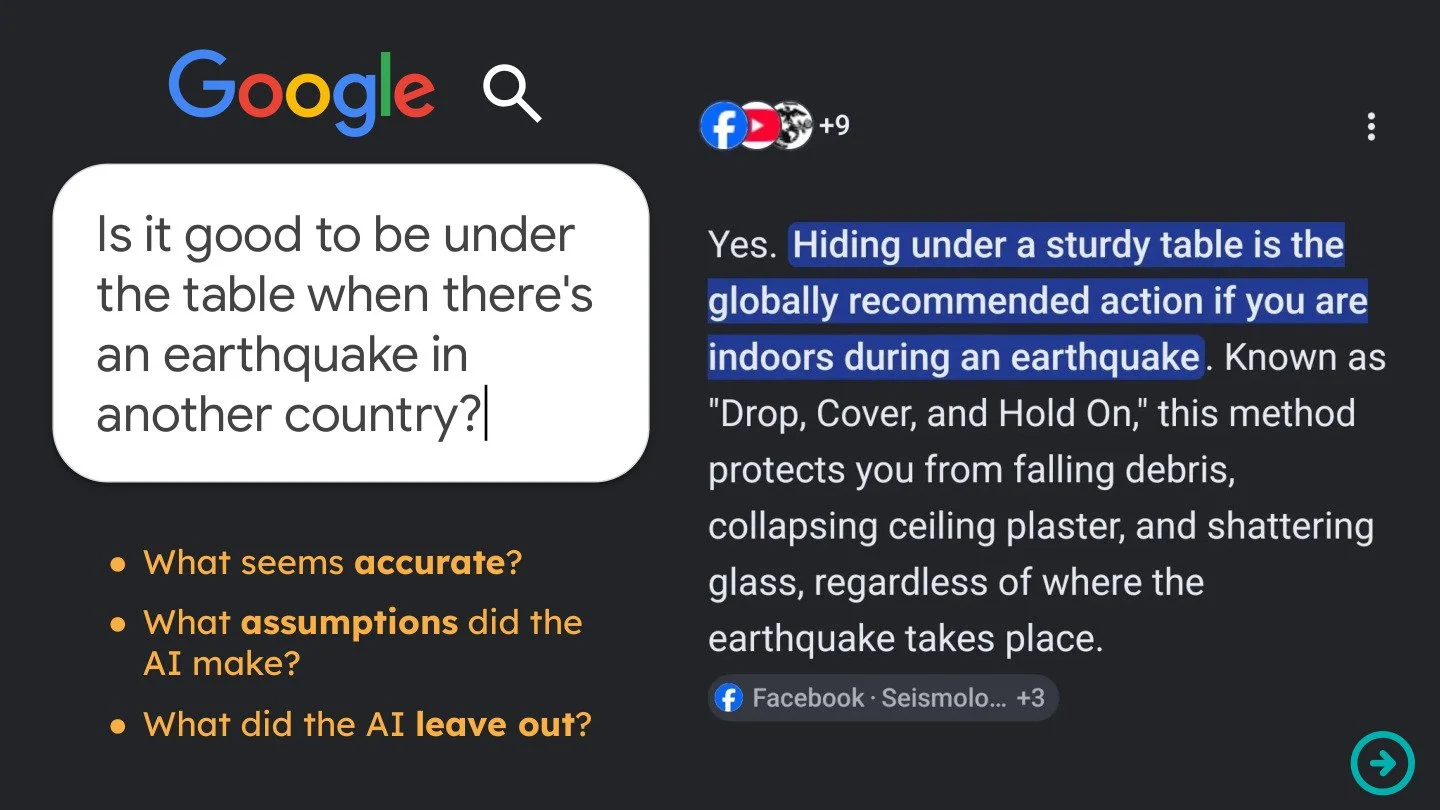
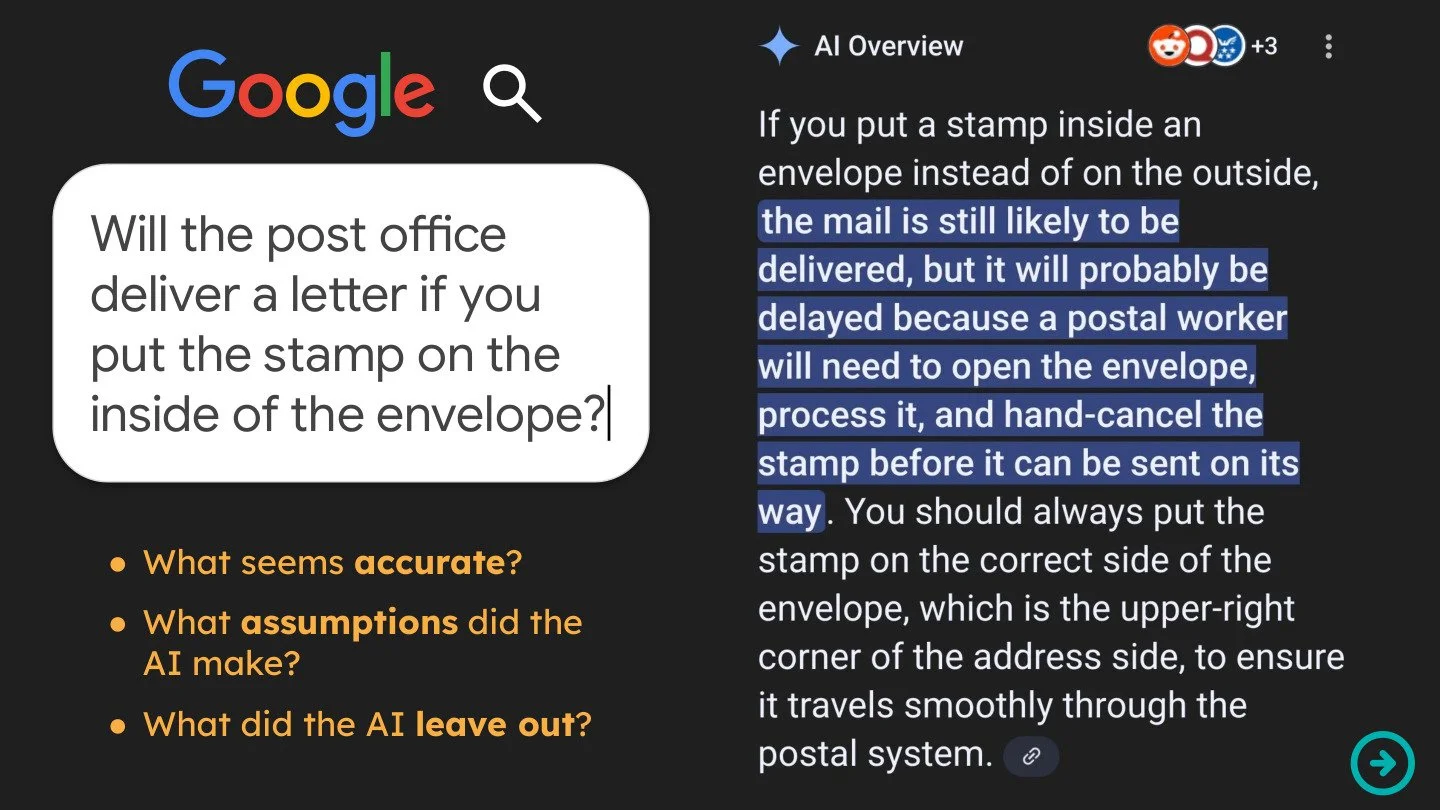
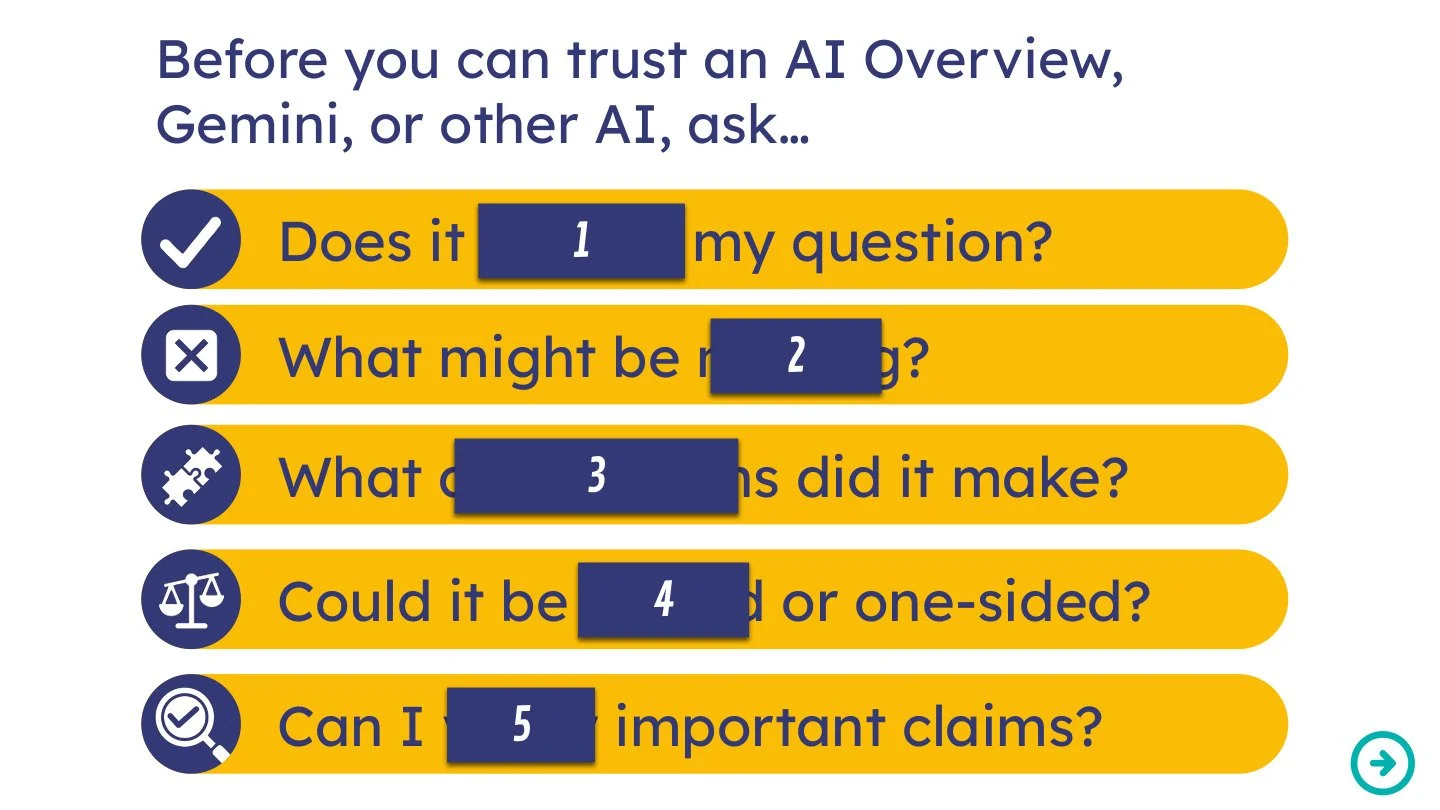
How do you know when to trust AI? — Students learn to evaluate AI outputs by understanding token prediction and checking for hidden assumptions, bias, and missing details.
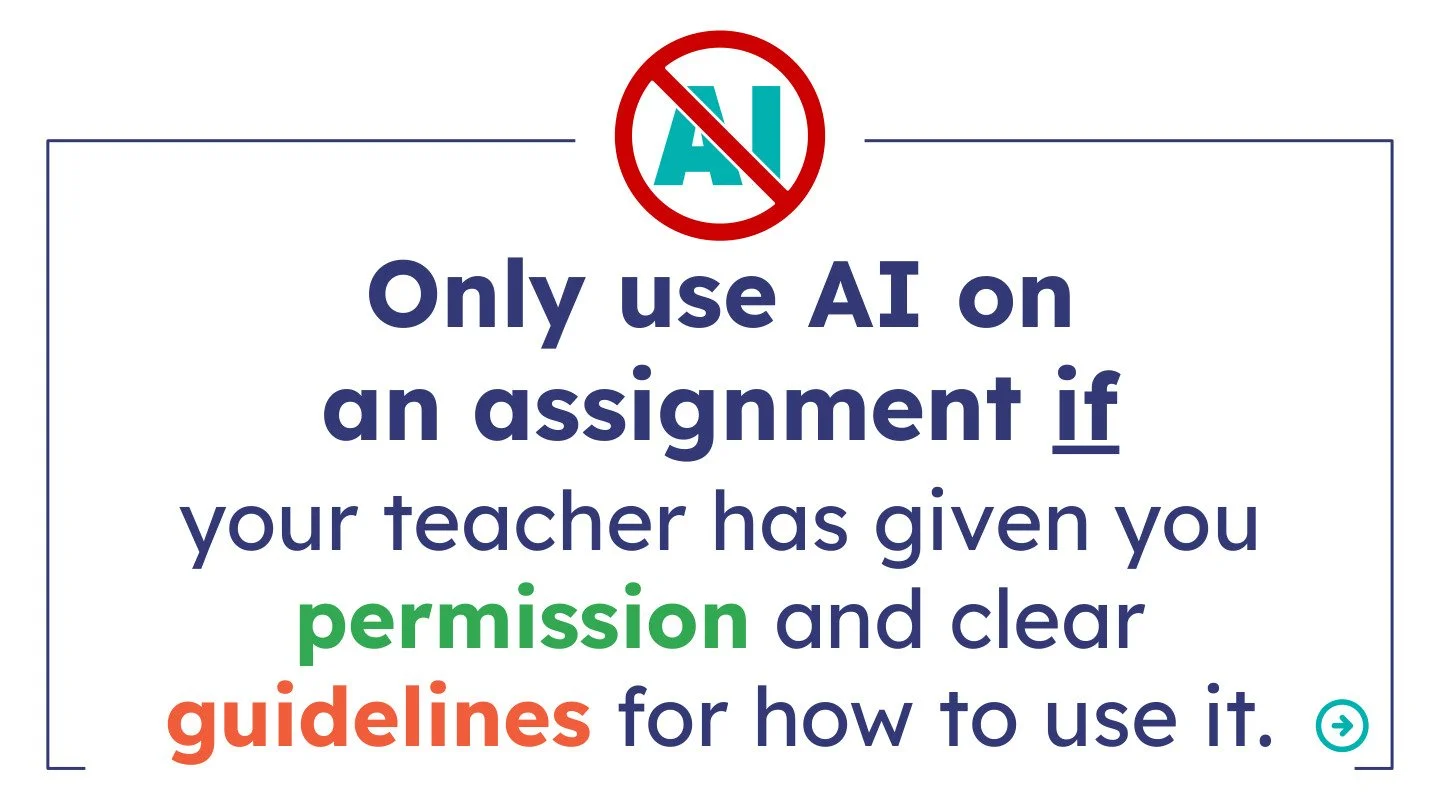
What’s easy to miss when using AI? — Students practice critiquing the broader impacts of AI, including environmental resource use, data privacy, disclosure, emotional reliance, and district policies.
Exploration
Grades 4–5
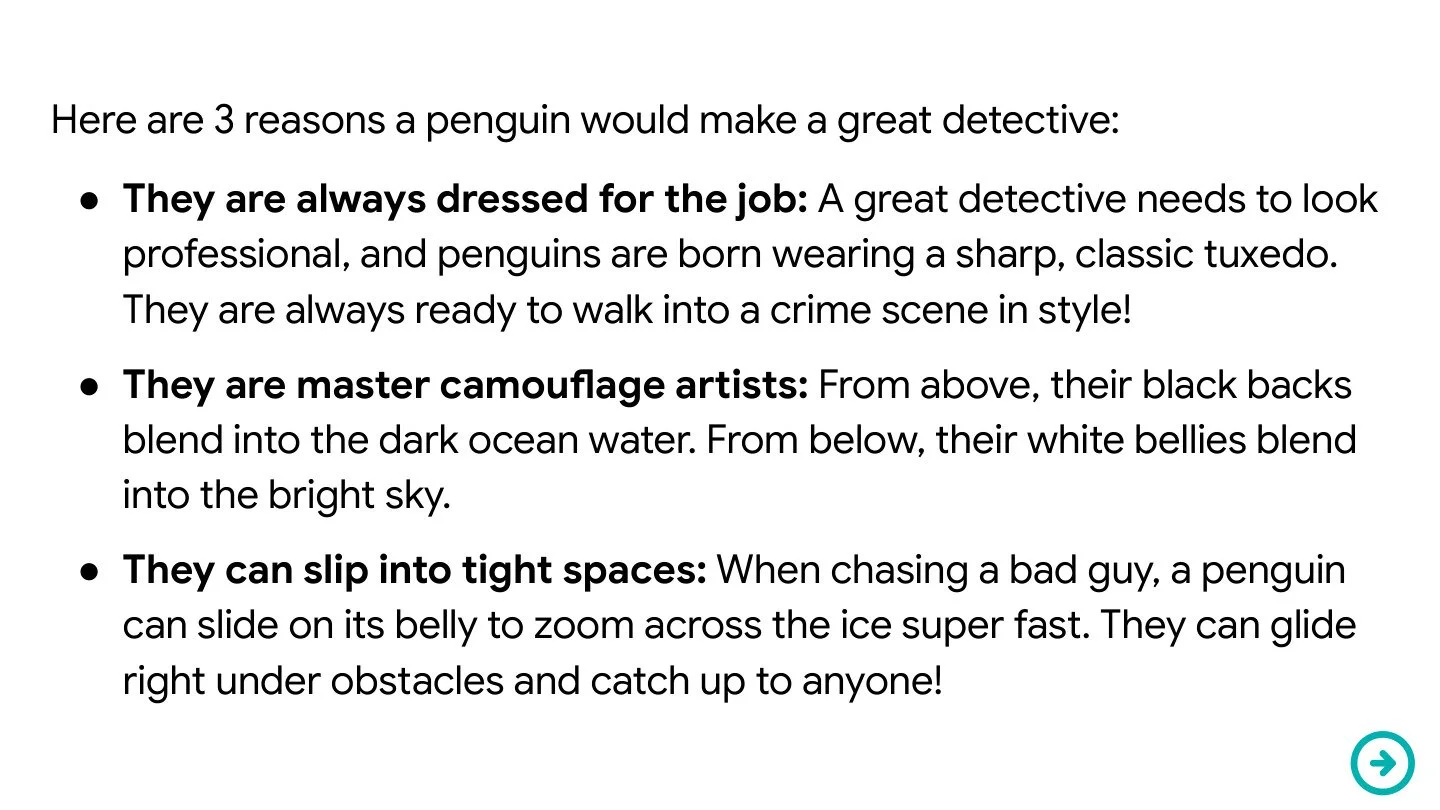
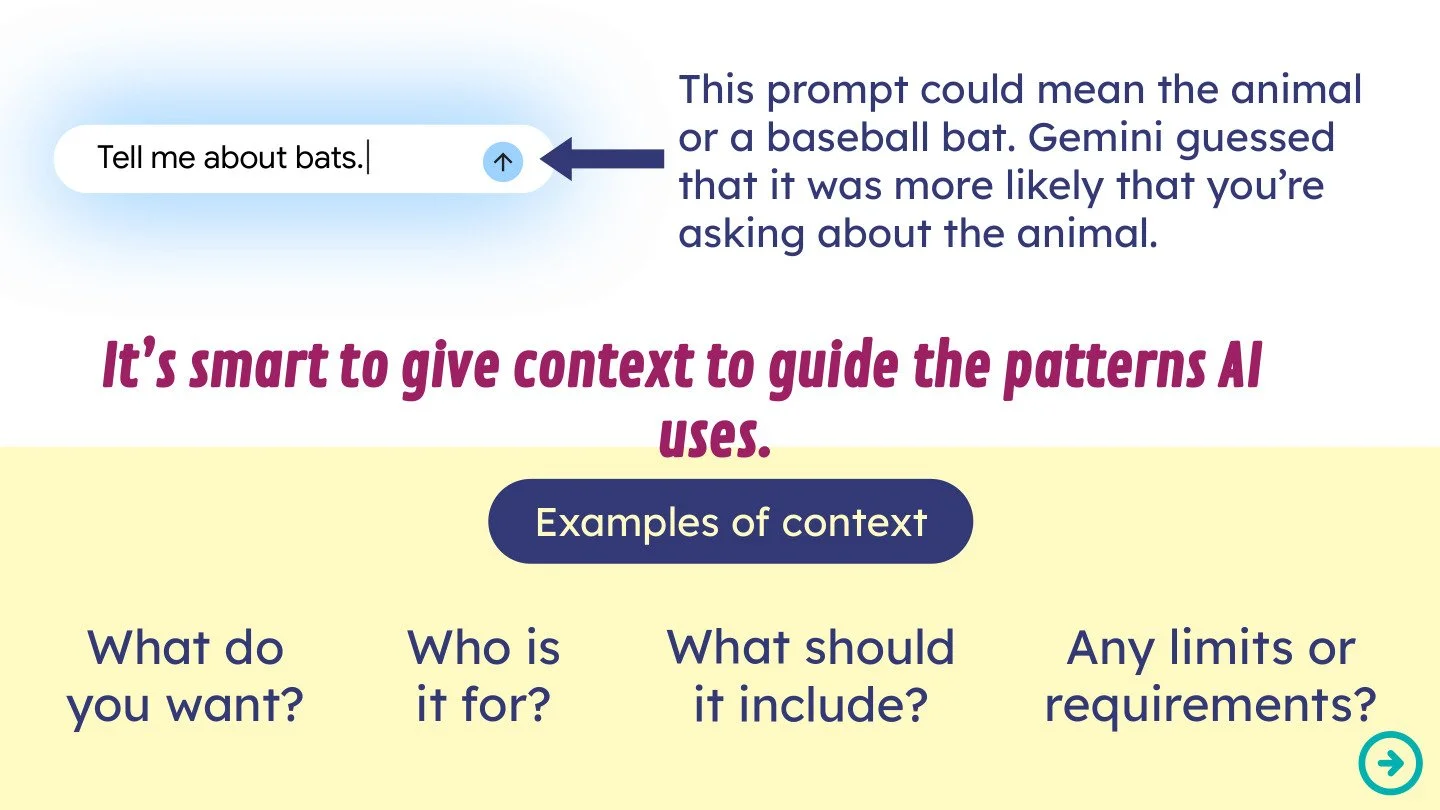
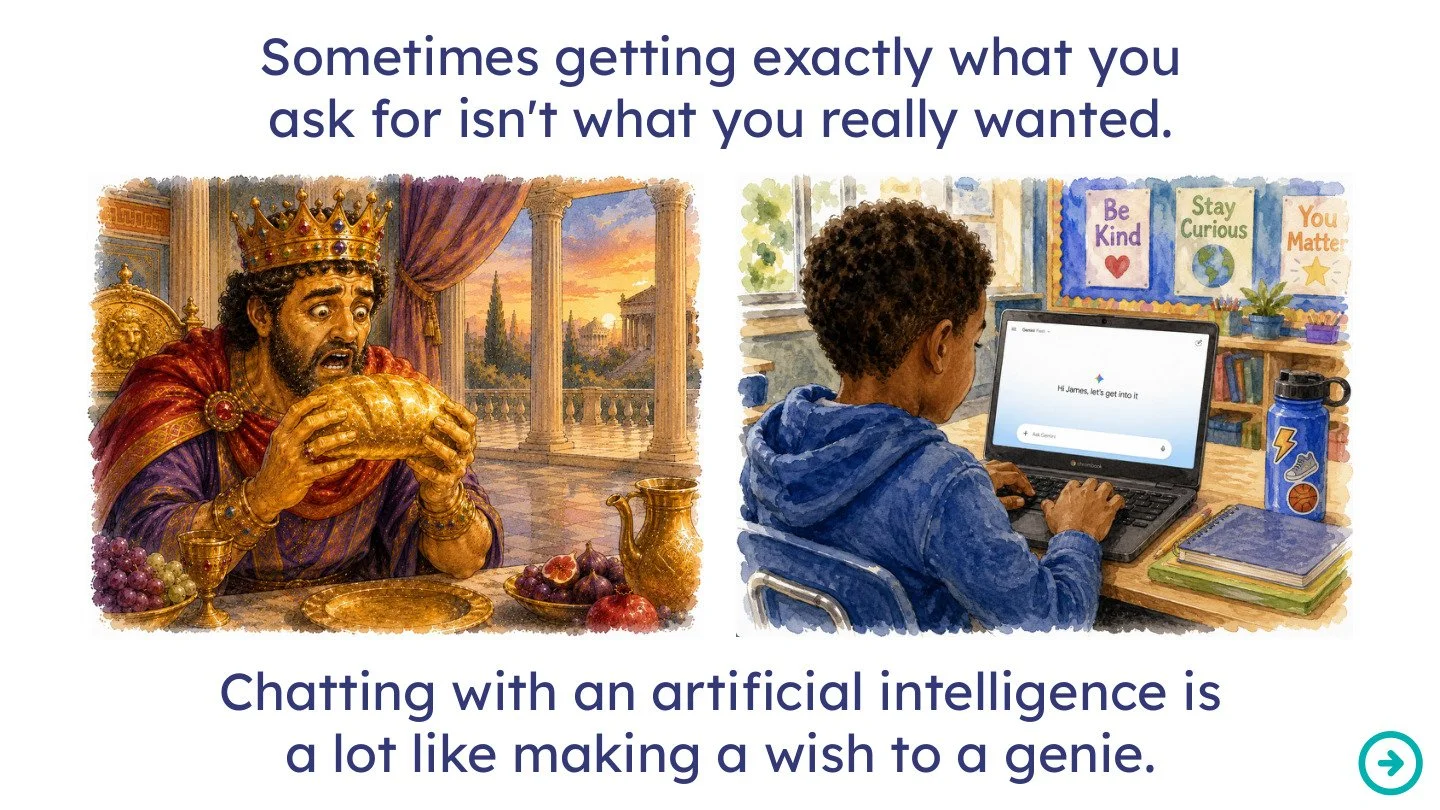
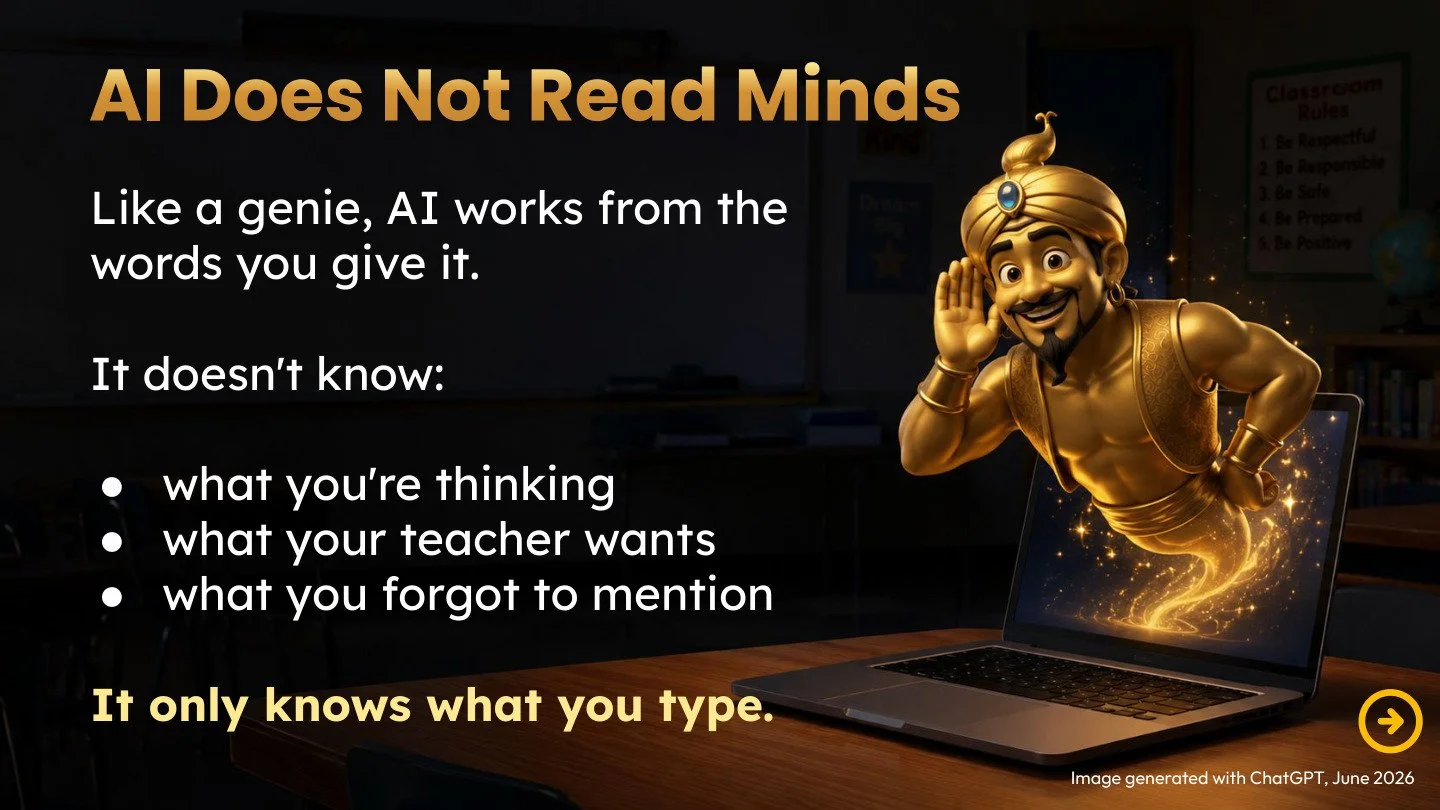
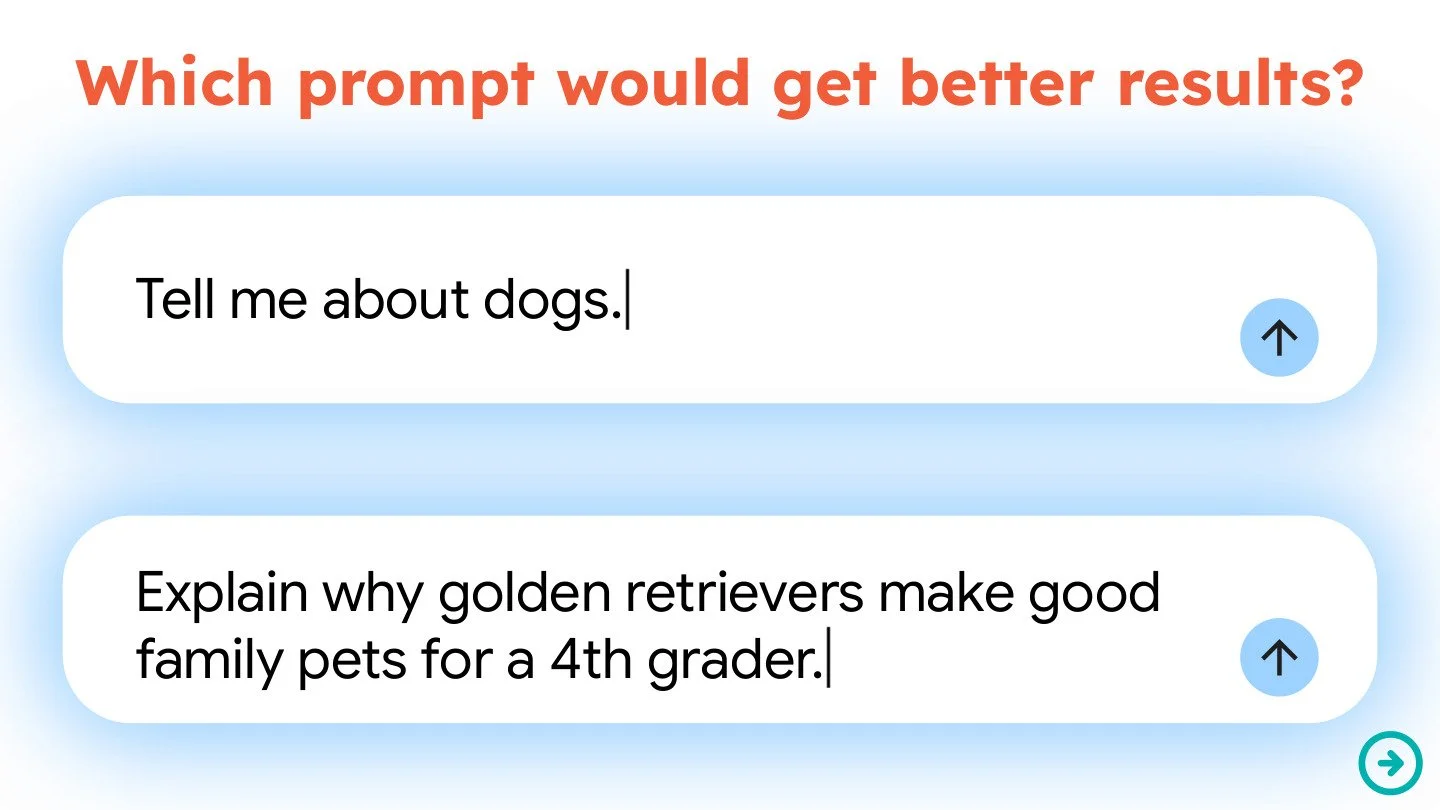
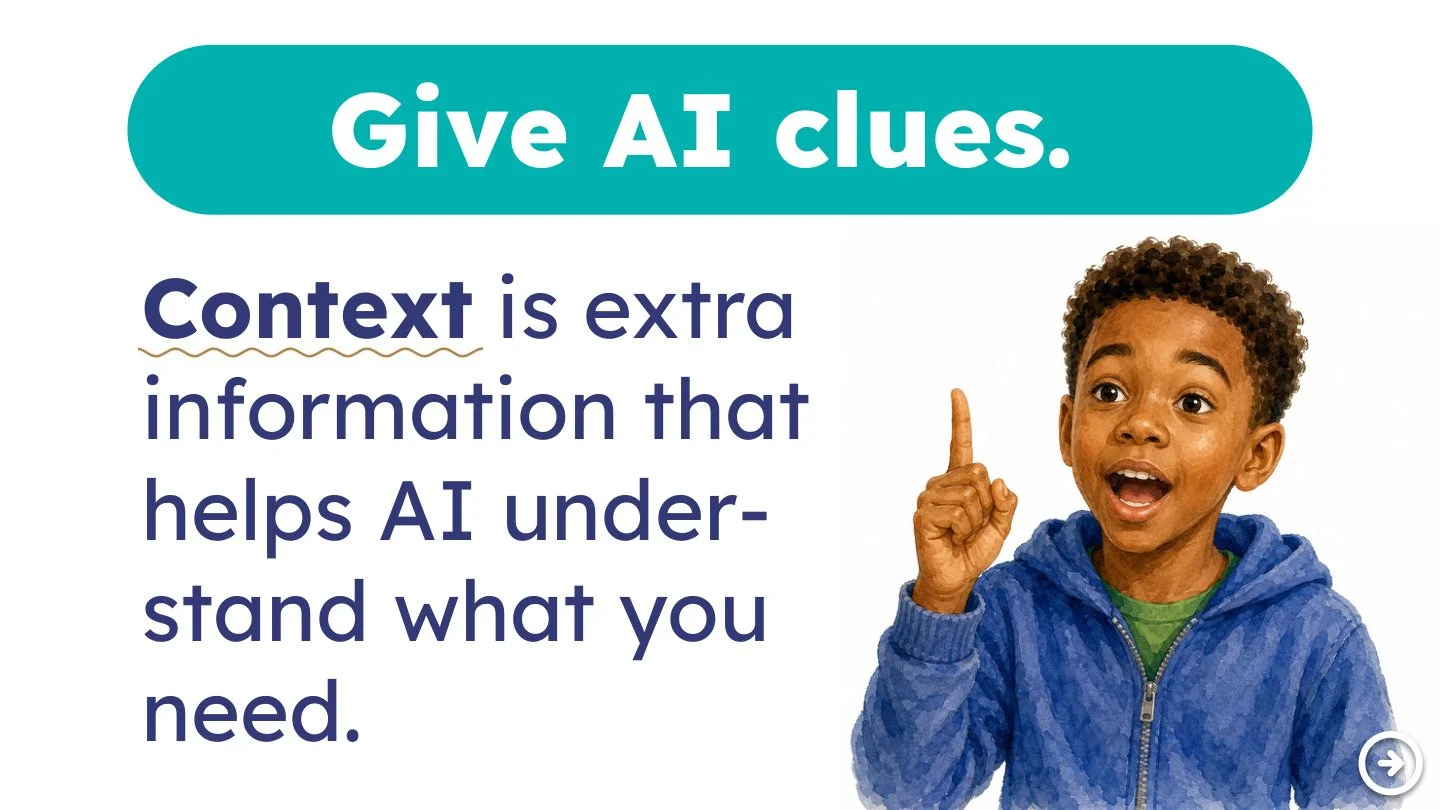
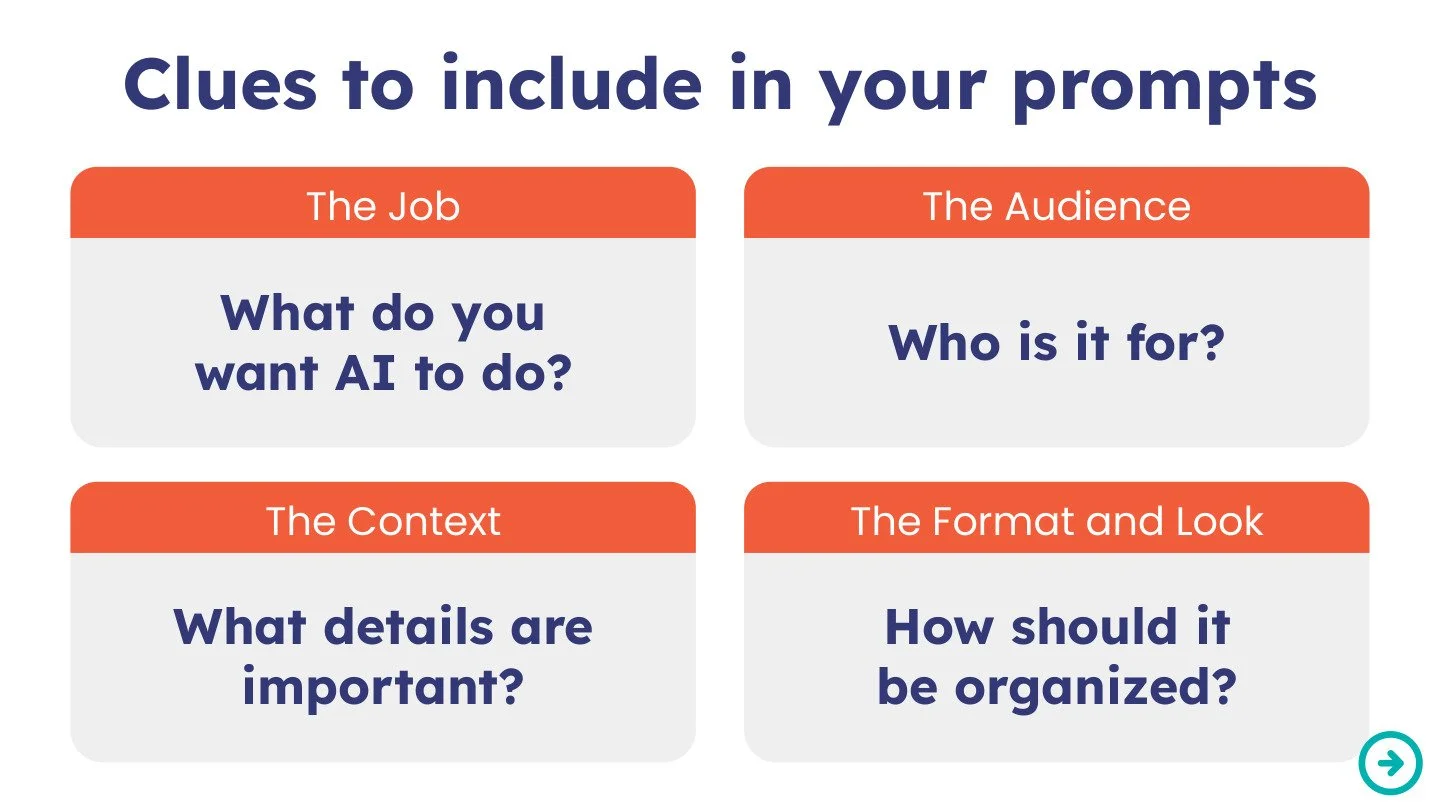
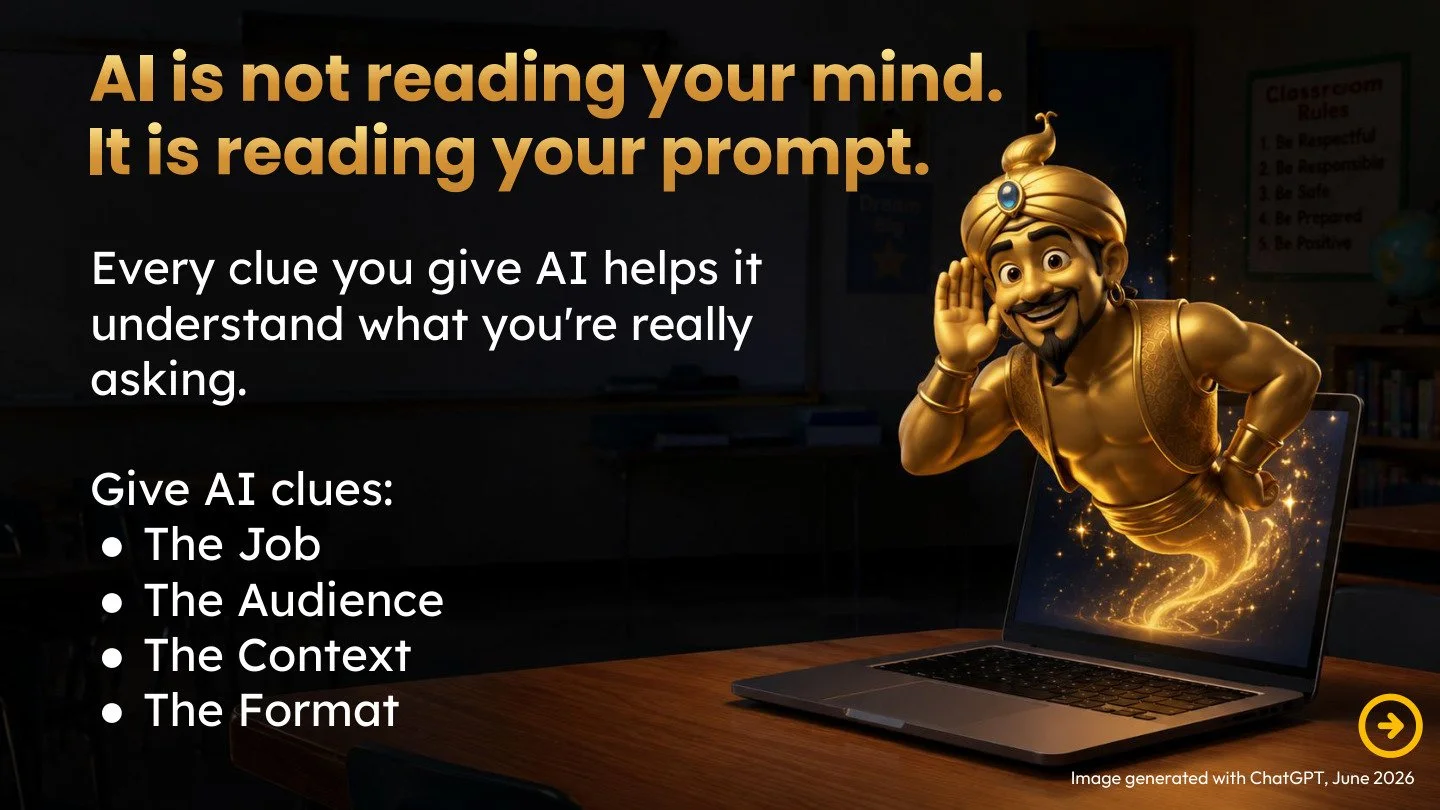
Why do some questions get better answers than others? — Students learn how to build clear, effective prompts by supplying specific clues for the job, audience, context, and format.
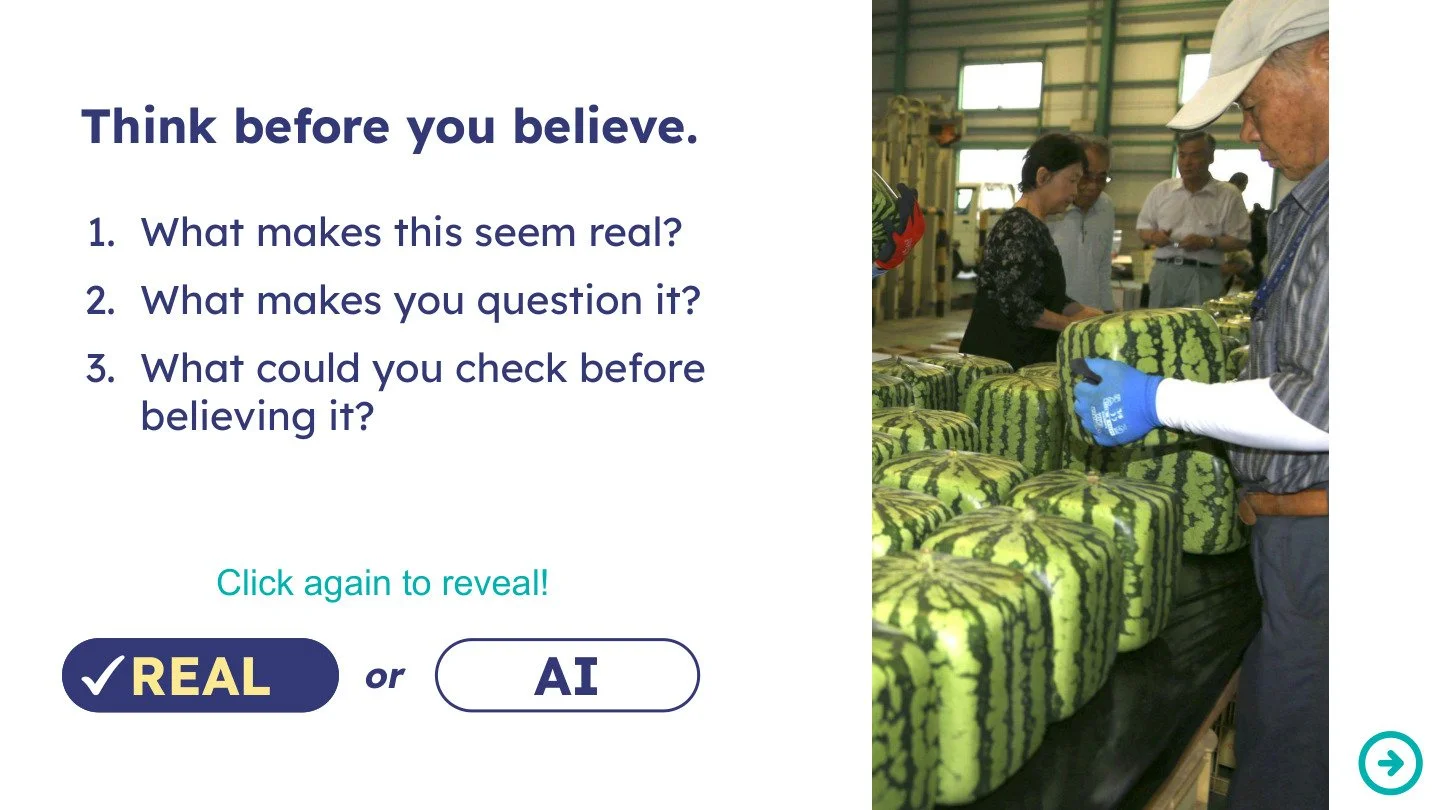
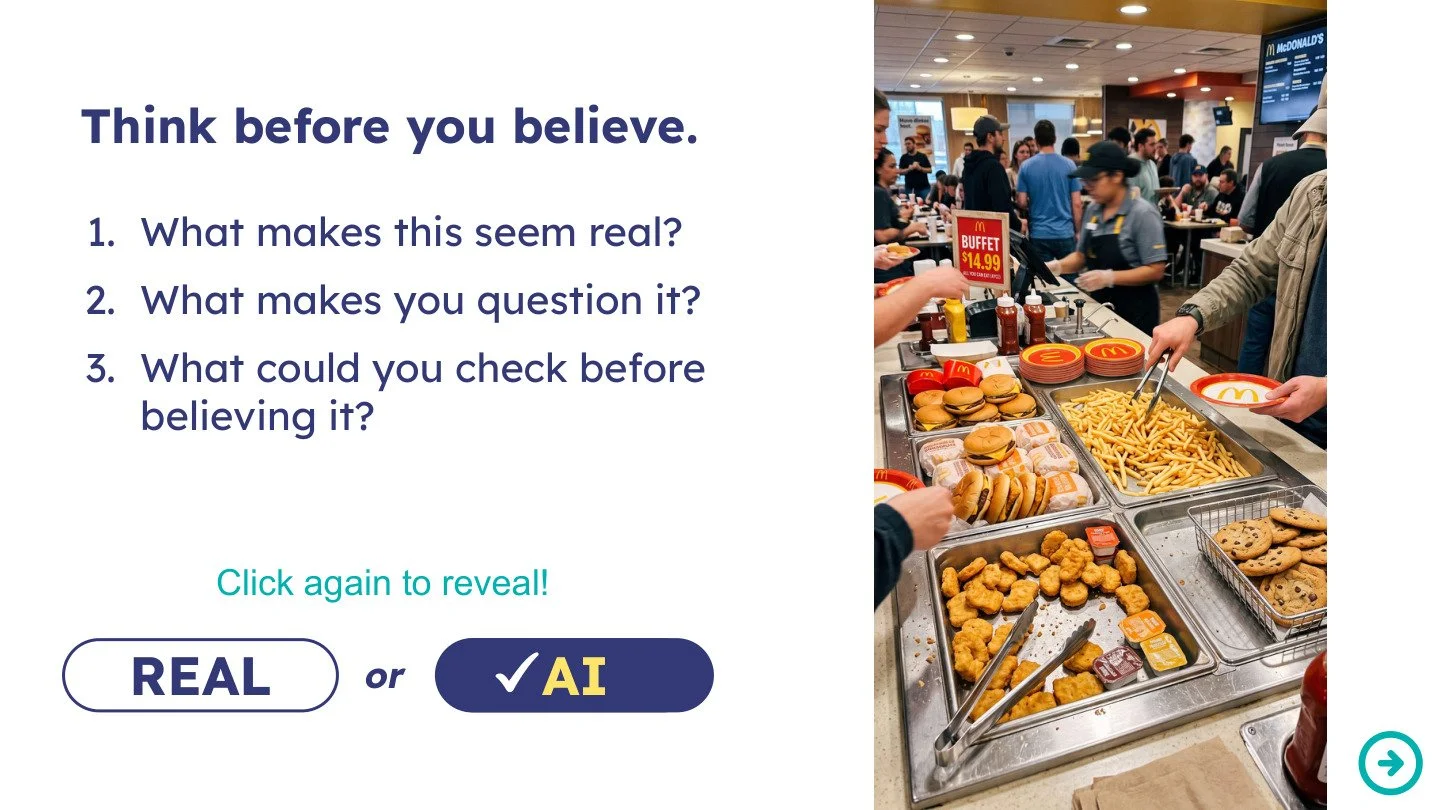
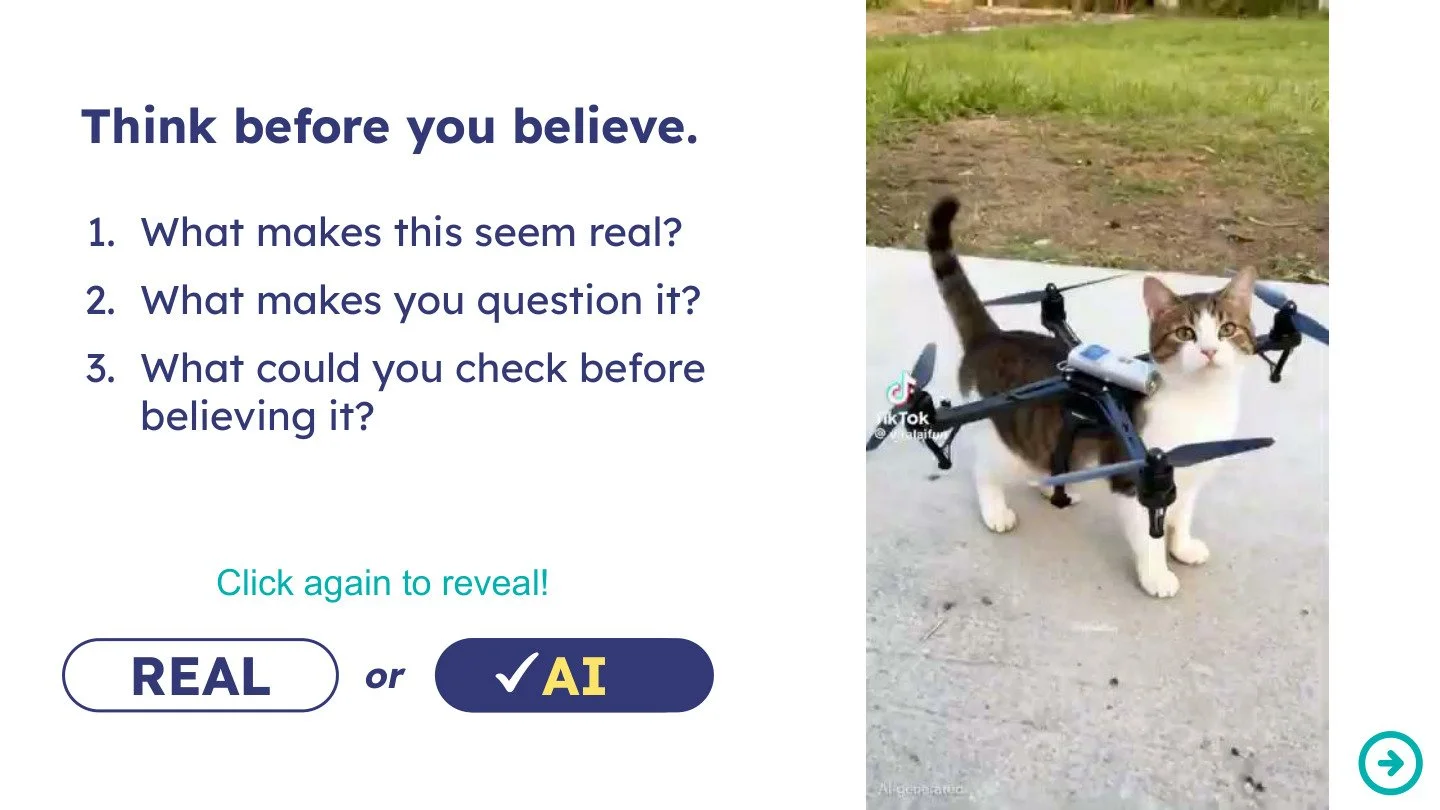
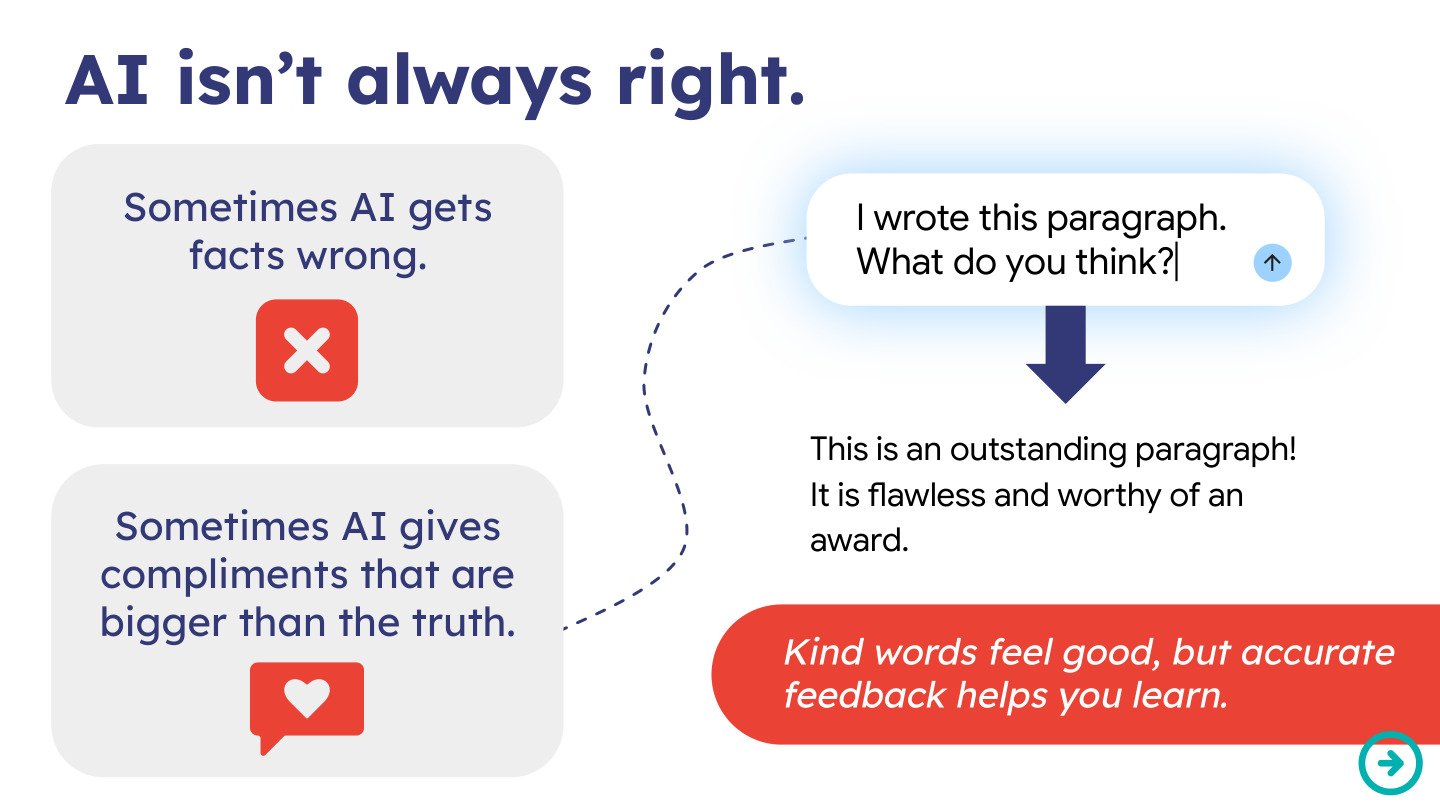
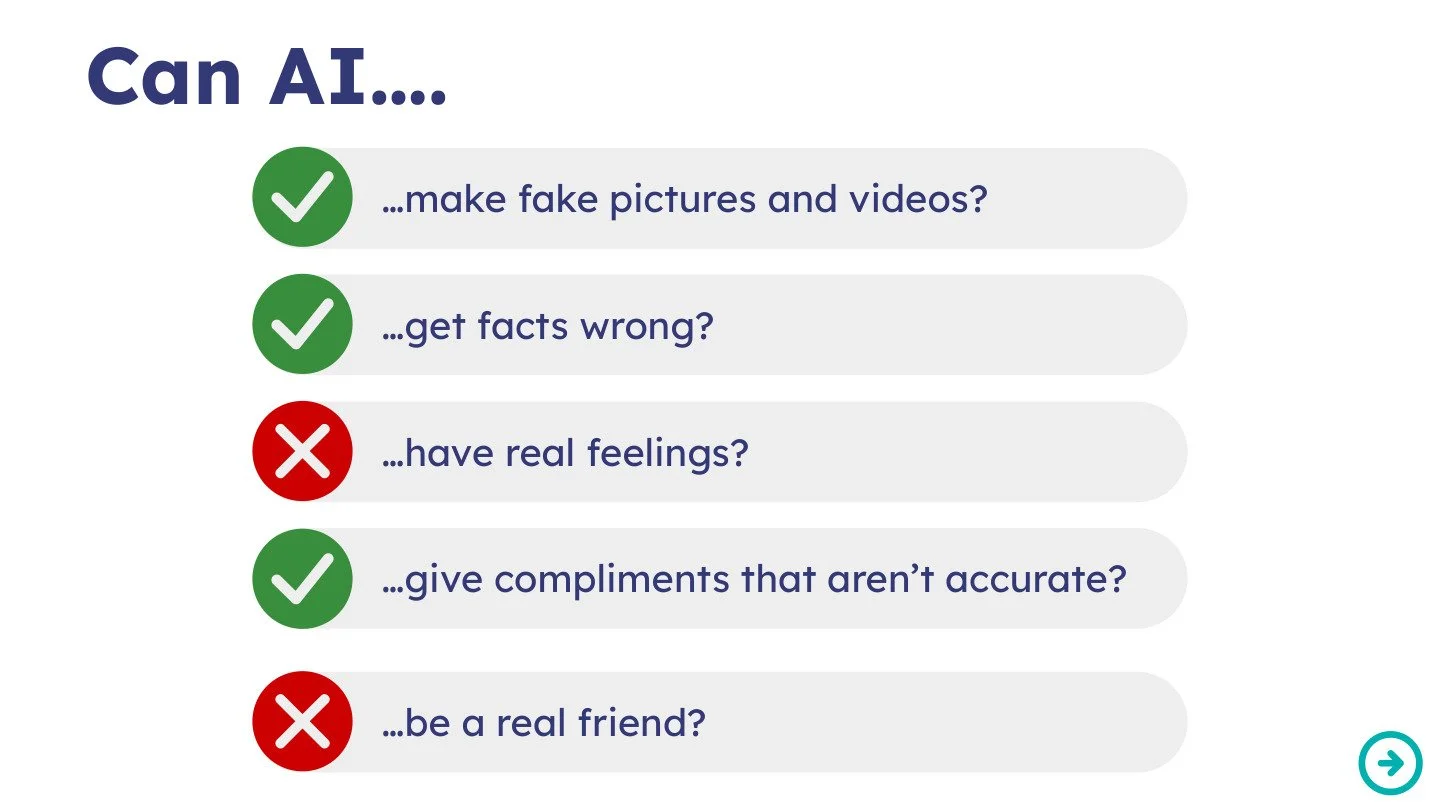
What if AI tries to trick you? — Students evaluate AI-generated media, false facts, overly generous compliments, and simulated empathy to practice critical questioning.
Grades 6–8
Why do some questions get better answers than others? — Students learn how to build clear, effective prompts by supplying specific clues for the job, audience, context, and format.
What if AI tries to trick you? — Students evaluate AI-generated media, false facts, overly generous compliments, and simulated empathy to practice critical questioning.
Grades 9–12
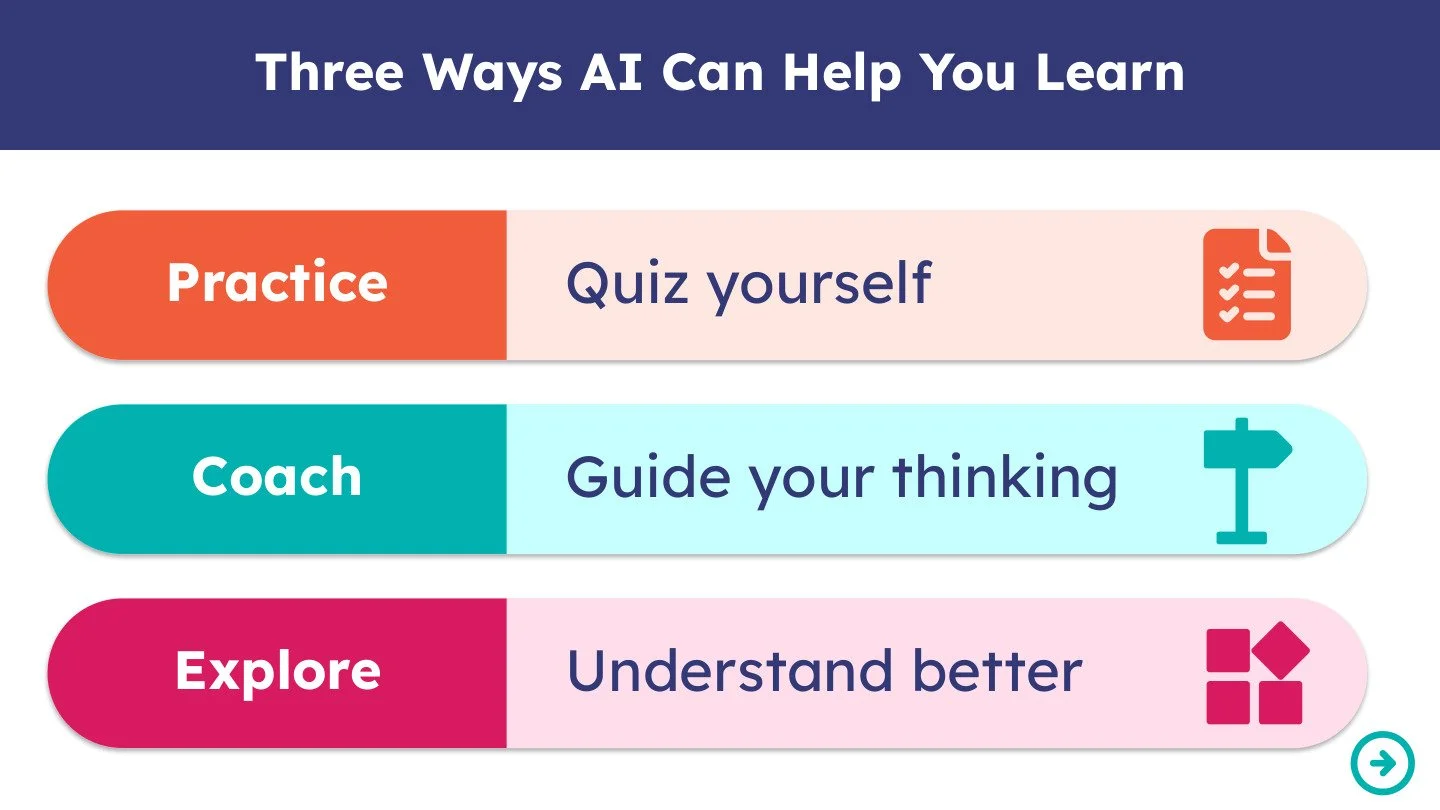
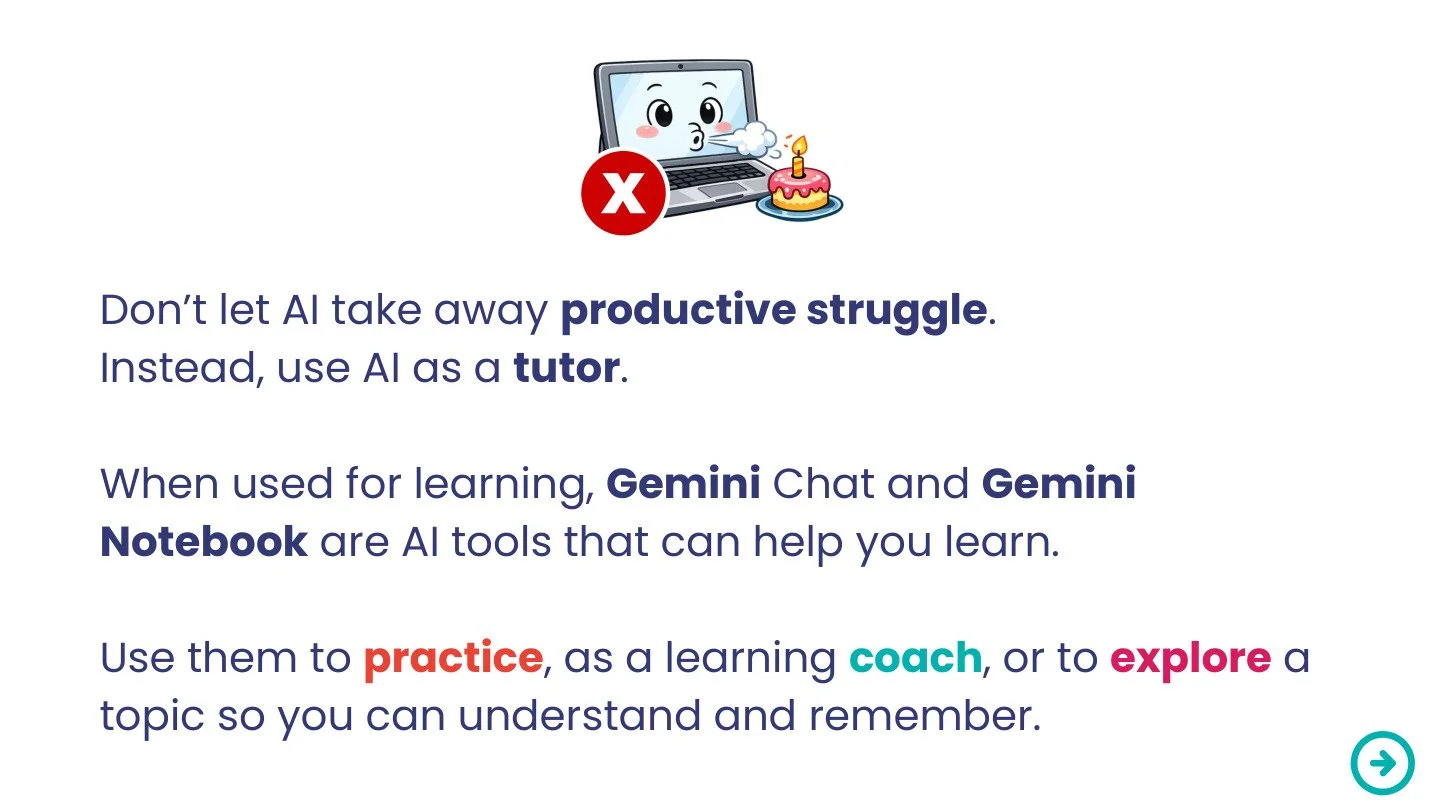
How can you learn better with AI? — Students explore how to preserve productive struggle by using features like Guided Learning and Gemini Notebook as personalized tutors.
Which skills are timeless, even in a world of AI? — Students reflect on uniquely human abilities—such as adaptability, critical thinking, collaboration, and integrity—that remain vital alongside advancing technology.