Presented July 2026
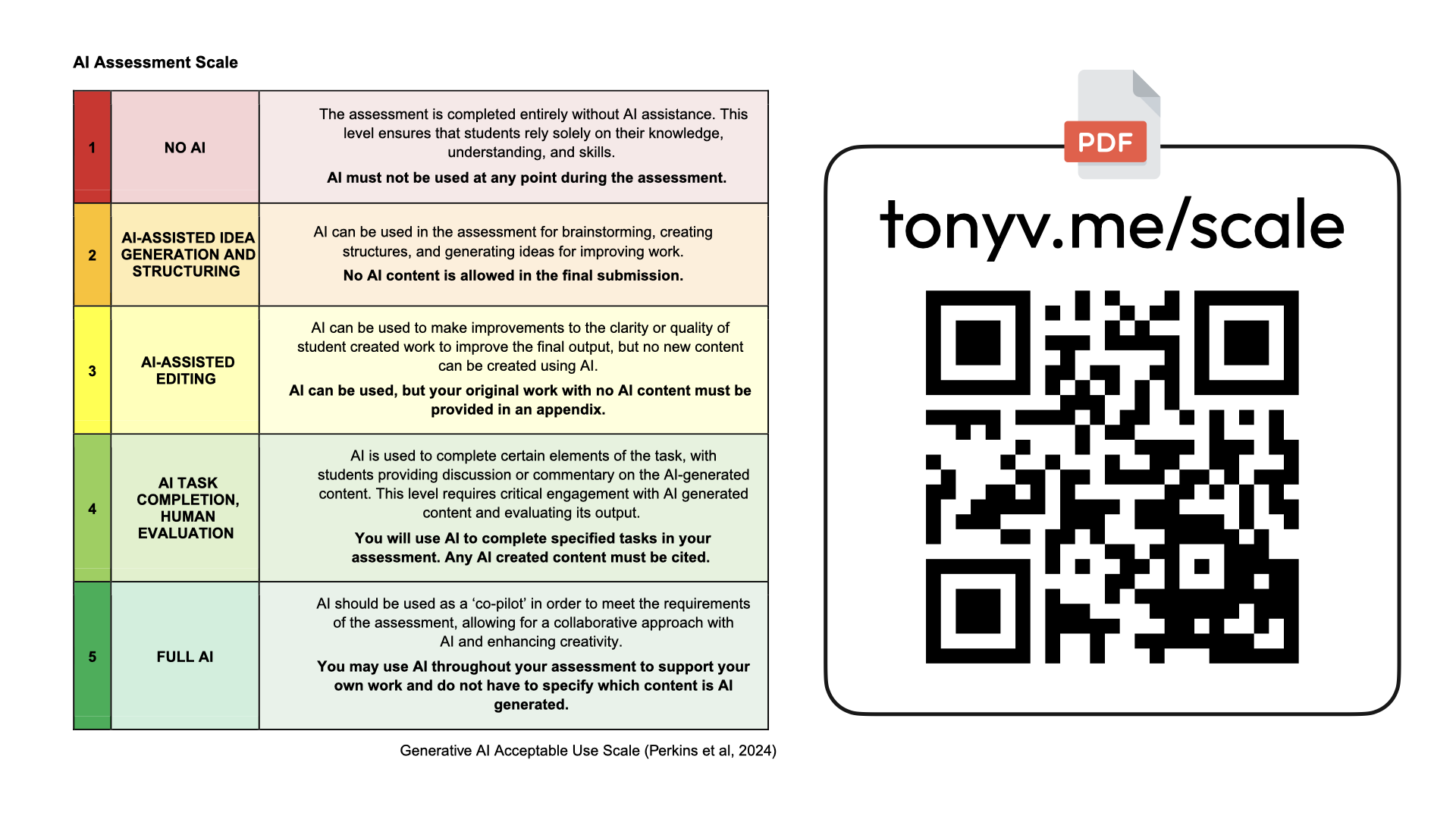
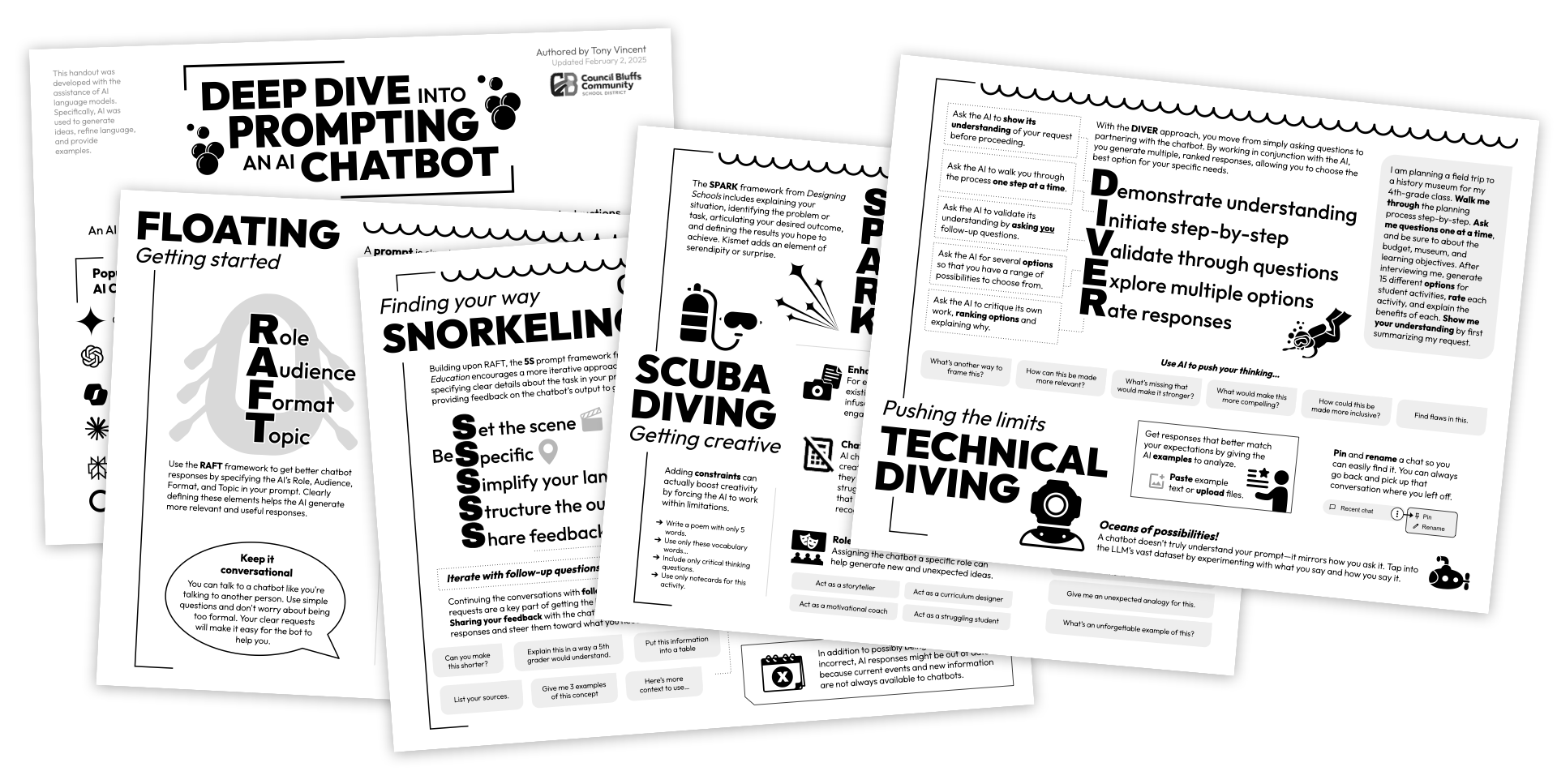
Download the Deep Dive into Prompting an AI Chatbot PDF
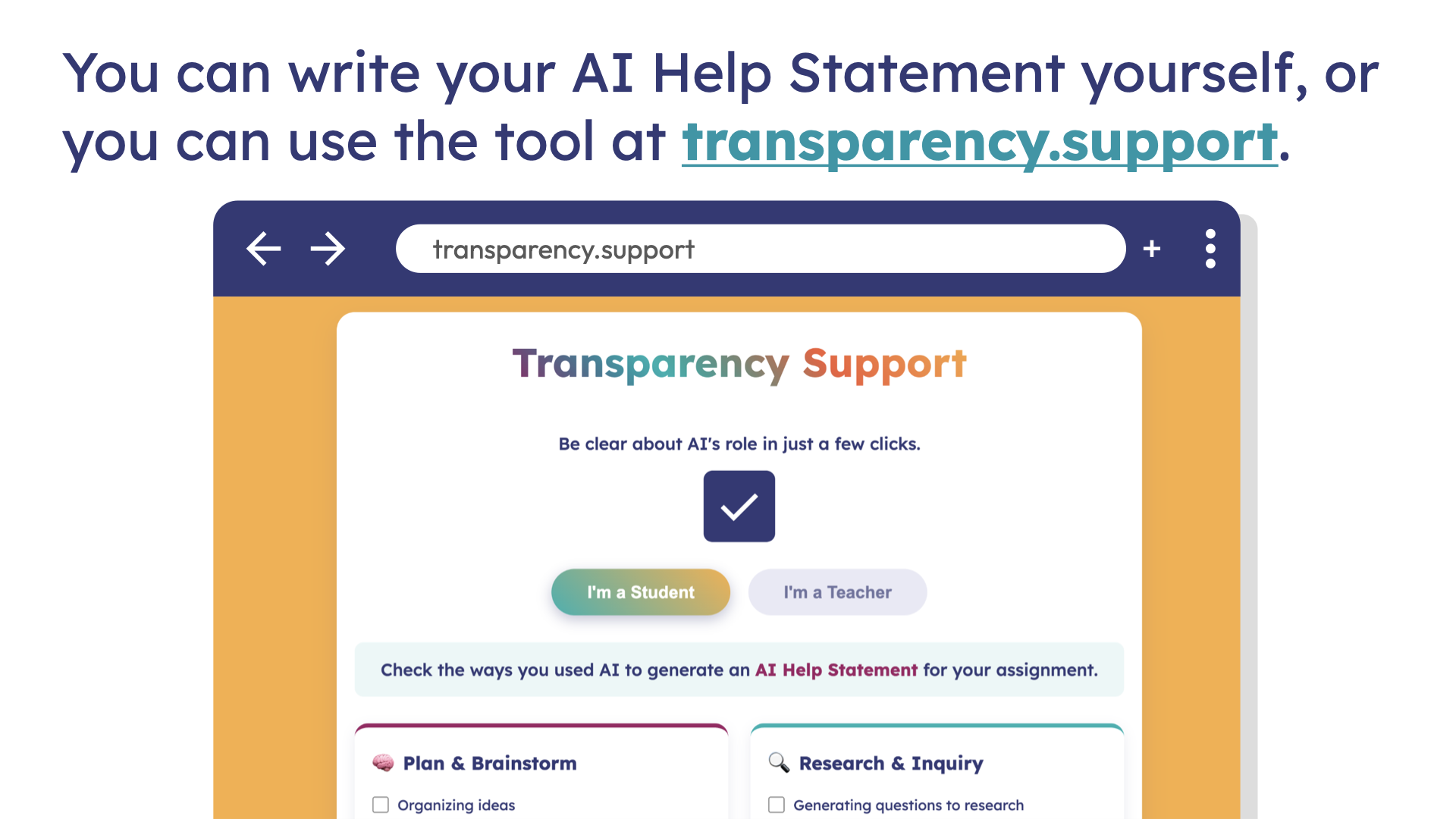
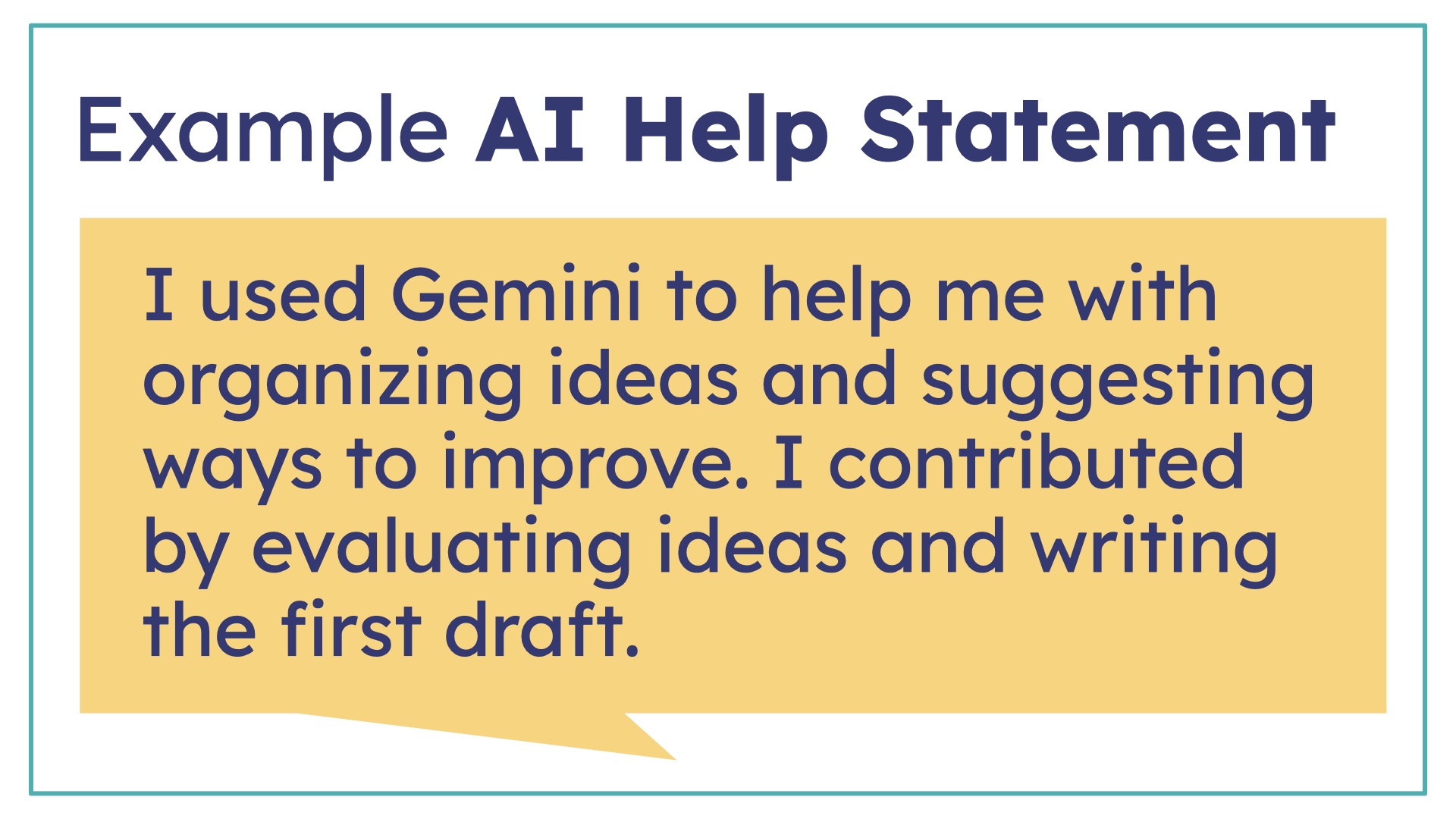
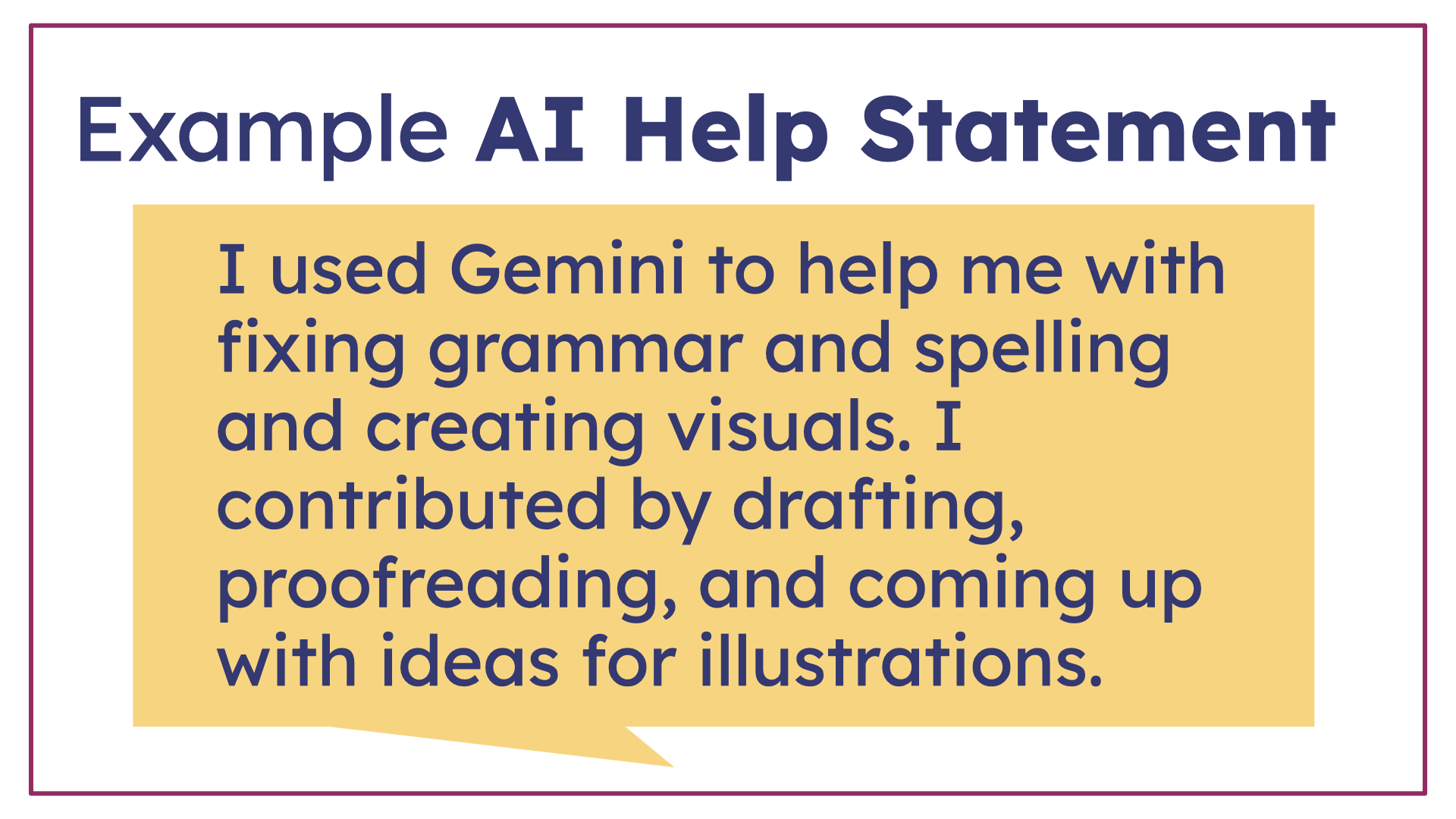
The notes below were written with the assistance of AI.
Why AI Skills Matter for Students and Teachers
Ready for the Real World: AI skills are popping up everywhere in the job market. Research shows that jobs requiring AI skills often carry an estimated $28\%$ salary premium. This trend impacts all student pathways, including Career and Technical Education (CTE) and skilled trades.
Extra Support for Every Student: Think of AI as a built-in assistant tutor. These tools can provide quick, tailored feedback and practice activities to meet students right where they are.
Smart Digital Citizenship: Because kids grow up surrounded by AI, they need to learn how to question what they see. This means checking sources, spotting bias, and knowing how to keep personal information safe.
Highlighting Uniquely Human Skills: As AI takes over repetitive tasks like drafting emails or organizing schedules, human strengths become more important than ever. Strengths like empathy, critical thinking, teamwork, and ethical judgment are qualities no machine can replicate.
Chatbots and the Art of Prompting
Teachers have a few excellent options when picking an AI partner, each with its own unique strengths:
ChatGPT (OpenAI): Perfect for brainstorming ideas, writing creative stories, and having collaborative, back-and-forth conversations.
Microsoft Copilot: Powered by GPT-4 and connected to the internet, making it fantastic for finding real-time information and citing web sources.
Writing Great Prompts: How to Talk to a Chatbot
A prompt is simply the question or instruction given to a chatbot. Instead of treating a chatbot like a search engine where a single keyword is entered, the most successful approach treats the interaction as an ongoing conversation.
To get the absolute best results, teachers can build prompts using four simple ingredients:
A Clear Role: Give the chatbot a specific identity or job (e.g., "Act as an experienced 6th-grade Earth Science teacher").
The Main Task: State exactly what kind of output is needed (e.g., "Write three fun ways to start a lesson").
Guidelines and Limits: Set boundaries like length, reading level, tone, or format (e.g., "Keep it under 150 words, use bullet points, and write at a 3rd-grade reading level").
Good Examples: Show the chatbot a quick sample of the preferred style or structure to guide its thinking.
Step-by-Step Prompting Example
Starting Prompt:
"Suggest creative ways to introduce classroom expectations without lecturing."
Review the progression of this instructional query via the Gemini Shared Conversation Link.
Adding Clear Limits:
"Limit the suggestions to activities utilizing index cards. Target this specifically for a 6th-grade science classroom."
How Chatbots Work: NLP and LLMs
To spot mistakes and get the best results, it helps to understand a little bit about how these tools actually operate under the hood.
Natural Language Processing (NLP): Talking Like Humans
NLP is the technology that helps software understand and write human language. This is the reason teachers can type standard sentences into a chatbot instead of writing complicated computer code.
Large Language Models (LLMs): The Word Predictors
LLMs are computer programs trained on massive amounts of written text. It is important to remember that an LLM does not actually understand concepts, feel emotions, or think. Instead, it works like a super-powered guessing game, calculating which word is most likely to come next based on the patterns it learned from all that reading.
Spotting Mistakes and Bias: The Investigator Mindset
Since chatbots rely on mathematical guesses rather than verified databases, teachers always need to evaluate AI-generated content with an analytical eye. For a detailed guide on how to double-check these answers.
When AI Hallucinates (Making Things Up)
An AI hallucination happens when a chatbot confidently shares completely made-up information. Because these tools are designed to write fluid, convincing sentences, they will easily create highly realistic-sounding books, quotes, dates, or scientific studies that do not actually exist.
Hidden Biases and Stereotypes
Chatbots copy patterns from human writing, which means they also copy human biases and stereotypes found in training data.
Always Agreeing (Confirmation Bias): Chatbots love to agree with the user. If a prompt includes an incorrect assumption, the chatbot will often happily agree with it anyway. Read ways to prompt AI to push your thinking, not automatically agree with it.
Practical Ways to Boost Teaching
Here are eight practical ways teachers can use AI to save time, spark creativity, and simplify their daily workloads.
Deepening Teacher Understanding
AI can summarize complex standards, unpack tough vocabulary, or clarify subject matter before instruction begins.
Elementary Science Prompt (NGSS-IA 5-LS2-1):
"Provide a conceptual overview of how ecosystems cycle matter and energy. Target this explanation for a 5th-grade teacher preparing a unit plan."
Middle School Math Prompt (IA 8.EE.5):
"Explain the conceptual links between slope and rate of change. Align the explanation with standard IA 8.EE.5."
High School ELA Prompt:
"Analyze the Iowa academic standard focusing on evaluating an author’s argument and claims for 8th grade. Break down the prerequisite academic vocabulary and critical thinking skills required. Explain how this standard builds on 7th-grade competencies and prepares students for high school coursework."
Creating Engaging Lesson Hooks
AI can suggest creative, hands-on, or mystery-filled opening activities to grab student attention.
Kindergarten Art Prompt (VA:Cr1.1.K):
"Suggest a physical movement activity to introduce a lesson on primary colors to kindergarten students."
6th Grade Math Prompt (IA 6.RP.3):
"Write two mathematical truths and one plausible lie regarding ratios for a 6th-grade class activity."
CTE Culinary Arts Hook Prompt:
"Generate an inquiry-based lesson hook to introduce the concept of food safety and bacterial contamination."
Sample Output (The "What's in Your Burger?" Hook): Prepare a clean, raw hamburger patty containing a hidden capsule of brightly colored liquid. Cut the patty open during the introduction to reveal the hidden liquid, symbolizing invisible foodborne pathogens like E. coli.
Predicting Student Misconceptions
Teachers can use models to anticipate where students might get stuck, making it easier to plan supportive steps ahead of time.
2nd Grade Science Prompt (NGSS-IA 2-ESS2-3):
"What common misconceptions do 2nd-grade students hold when distinguishing between weather and climate? Suggest proactive strategies to address these misconceptions during instruction."
Drafting Personalized Student Feedback
AI can write helpful feedback drafts based on specific goals, which teachers can then polish and personalize.
Elementary/Middle School Math Feedback Prompt:
"Draft constructive feedback for a student who consistently confuses the formulas and definitions for area and perimeter, despite demonstrating accurate basic calculations."
High School Algebra Feedback Prompt:
"Draft targeted, encouraging feedback for a 9th-grade student who sets up algebraic equations correctly but frequently commits sign errors with positive and negative integers."
Creating Quick Exit Tickets
Teachers can generate quick formative check-ins aligned with standards to see what students learned by the end of a lesson.
4th Grade Math Prompt (4.OA.4):
"Generate two short formative assessment questions checking student understanding of the difference between factors and multiples."
7th Grade Health Prompt:
"Draft a reflective exit ticket asking students to identify and evaluate personal coping strategies for stress."
10th Grade Social Studies Prompt (IA SS.WH.24):
"Generate a 3-question Likert-scale exit poll assessing student confidence in explaining the primary causes of World War I."
Reinforcing Classroom Content
Models can generate quick memory aids, academic songs, or stories to help students remember key lessons.
2nd Grade Place Value Song (IA 2.NBT.2):
"Write educational lyrics to the tune of 'If You’re Happy and You Know It' to reinforce place value concepts."
8th Grade Math Rap (IA 8.G.6):
"Write a structured verse explaining the Pythagorean theorem ($a^2 + b^2 = c^2$) for an 8th-grade math review."
Sample Output:
"Yo, check the beat, let's talk about math,
A right triangle's got a special path.
Two short sides, we call 'em $a$ and $b$,
A long side, that's the hypotenuse, you see.
Square the legs, add 'em up right,
They'll equal the hypotenuse squared, holding tight.
So $a^2 + b^2 = c^2$, don't you forget,
That's the formula, a simple bet!"
9th Grade Biology Limerick (NGSS-IA HS-LS1-4):
"Write a limerick comparing the genetic outcomes of mitosis and meiosis."
Sample Output:
Mitosis, a cell division grand,
Makes two identical clones in the land.
But meiosis, more neat,
Makes four cells complete,
Each with half the chromosomes at hand.
Supporting Social-Emotional Learning and Behavior Expectations
AI can recommend helpful phrasing, calm-down routines, or quick starters for resolving classroom conflicts.
3rd Grade SEL Prompt:
"Draft three age-appropriate mindfulness breathing prompts for 3rd-grade students during a standardized testing week."
11th Grade Restorative Language Prompt:
"Provide five neutral sentence starters to help 11th-grade students express respectful disagreement during structured classroom debates."
Drafting Classroom Communications
Teachers can quickly draft everyday paperwork, parent letters, newsletters, or lab safety guidelines.
5th Grade Parent Letter Prompt:
"Draft a supportive and respectful letter to families of 5th-grade students explaining the developmental importance of personal hygiene and daily deodorant use during puberty."
Instructional Clarification Prompt:
"Revise the following raw classroom laboratory directions to improve readability, logical flow, and safety precautions for 6th-grade students:
Polite, Direct Correspondence Reply:
Draft a professional, polite, and direct email response to a parent. Explain that student mobile device use is restricted during instructional blocks to align with state academic requirements for mathematics."